

Selwyn District Council has posted a $104m operating surplus for 2025/26, a figure that looks like a council swimming in money. It isn’t. The number mostly measures how many subdivisions were finished and how many developers paid their dues this year. It is a readout of construction activity, not a sign of fiscal strength, and business owners in Canterbury’s growth corridor should read it that way.
To her credit, Mayor Lydia Gliddon says as much. She stresses the surplus “is not cash” sitting in the bank, but an accounting result reflecting infrastructure handed over by developers and contributions toward future growth.
Most of the surplus is pipes and kerbs
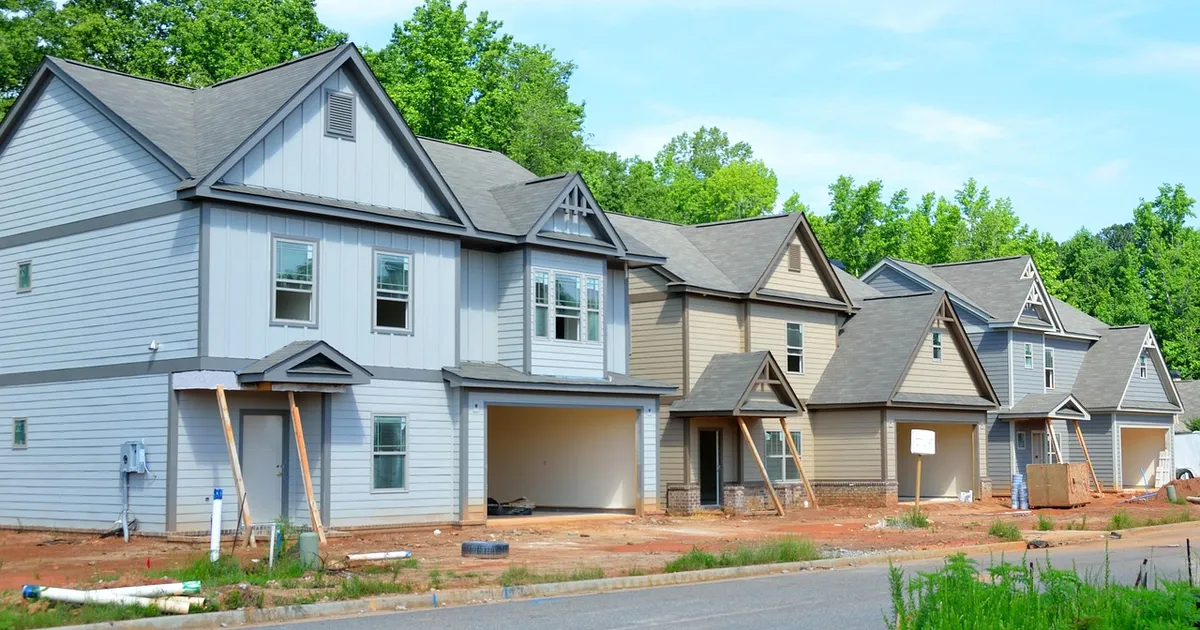
The biggest driver was $78m in vested assets, the roads, pipes and reserves developers transfer to the council once a subdivision is complete. That was $51m above budget. Development contributions came in at $44m, almost double forecast, and fees and charges ran $9.2m ahead. Together they pushed the result $26.9m past budget.
Vested assets are not revenue in any meaningful sense. The council now owns them, which means it must maintain, insure and eventually replace them. Every kilometre of new road handed over is a future depreciation line and a future rates bill.
There is genuine good news buried here. Debt fell from $231.8m to $195.9m, and the annual report was adopted on time for the first time in at least eight years. Those are real improvements worth acknowledging.
Three years, three very different councils
The problem is volatility. In 2023/24, the council group’s after-tax surplus was just $2.25m, with development contributions of $14.9m and vested assets of $18.3m. In 2024/25 the surplus rose to $28.7m, but net borrowing jumped from $157.6m to $231.8m as the council pushed water, transport and community projects ahead of growth. Development contributions that year landed at $24.3m against a projected $38.3m.
So in three years Selwyn has gone from a tiny surplus, to a bigger surplus built on record borrowing, to a huge surplus with debt falling. Nothing structural changed between those years. What changed was the timing of subdivisions and when developers chose to pay.
Developers have already shown how to game it
That timing is not in the council’s control. In 2025 it emerged that developers had rushed 2,578 lots through at the old rate before a July 2024 increase, saving more than $33m. Construction analyst Mike Blackburn called it standard business practice at the time, and he was right. Any developer who didn’t do it would have been leaving money on the table. Then-mayor Sam Broughton insisted growth should pay for growth but conceded the timing was beyond the council’s reach.
Councillors noticed. In December 2025, councillor Tracey Macleod warned that “if development doesn’t fully fund the infrastructure it needs, the shortfall lands on existing ratepayers”. Central government is now drafting legislation to replace development contributions with development levies from July 2028, a tacit admission that the current tool leaks.
Every new resident costs more to service
The cost side is where the halo slips. In 2025 the council’s annual plan cited Infometrics data showing water, wastewater and transport infrastructure costs had risen about 30% over three years, with bridge construction up nearly 40%. The council runs more than 2,500km of roads and over 120 bridges, and the district’s population is projected to climb from about 111,000 to 145,000 by 2034.
Selwyn Water, the new water entity, expects to spend about $222m on growth-related water infrastructure over five years. Beyond council, more than half the district’s schools are using or awaiting relocatable classrooms, and a new after-hours health service has seen more than double expected demand, according to the Herald.
The council already wrote the warning label
None of this is hidden. In its 2024 financial strategy, the council spelled out the risk plainly: if it builds infrastructure in anticipation of developer funding and growth doesn’t arrive as expected, “the ratepayer is left with borrowing that still needs to be repaid”.
That is the right frame. Growth-pays-for-growth is a sound principle, and Selwyn is applying it more seriously than most. But it only works while consents keep flowing at the assumed pace.
What business should take from it
For builders, developers and firms eyeing a move into Rolleston or Lincoln, the $104m is not evidence of spare capacity or financial headroom. It is evidence that one strong construction year briefly outran one year’s infrastructure bill. If consents soften, rates stay sticky, or developers find another timing gap before 2028 levies arrive, the surplus could shrink as fast as it grew, and existing ratepayers would be first in line to cover it.
The smart move for Selwyn is to bank the debt reduction, resist treating this year as the new normal, and lock in a contributions policy that can’t be gamed. The headline will fade. The pipes will need replacing regardless.
Sources
- ODT: Selwyn’s booming growth delivers $104m surplus (2026-11-01)
- Guardian Online: Selwyn’s booming growth delivers $104m surplus (2026-10-30)
- ODT: Selwyn’s big surplus overshadowed by record borrowing (2025-11-19)
- ODT: Data reveals developers exploited contributions loophole (2025-08-14)
- Guardian Online: Selwyn puts spotlight on growth money (2025-12-03)
- NZ Herald: Selwyn building consents hit record as schools and health services face pressure (2026-10-18)
Join the discussion
Add useful context, ask a good question, or challenge an idea — keep it specific and respectful.