

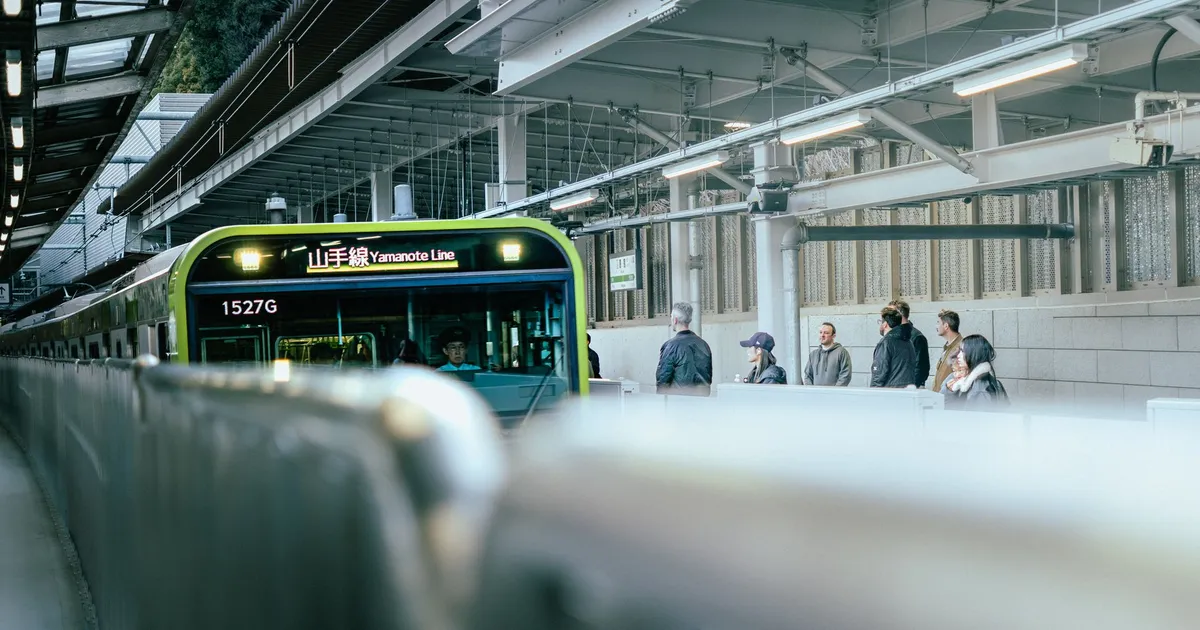
The Government has given a 12-month Christchurch commuter rail trial the green light. Ministers have not yet secured the other half of the money. Of the $3.4 million package, $1.7 million must come from Christchurch, Selwyn and Waimakariri councils, and none of them has signed off.
That makes this less a transport win than a live test of whether regional infrastructure promises survive contact with a rates bill.
A cheap idea worth testing
The concept deserves credit. Private operator Mainland Rail would run morning and evening services between Rangiora, Rolleston and central Christchurch from mid-2027, with the Rolleston leg taking under 20 minutes by rail versus 50 by road. The trial’s operating budget is $6.8 million, with fares expected to cover about half. The Mainlander service to Dunedin and Invercargill is also being made regular, a bonus for southern tourism operators.
Compare that with what Christchurch rail used to cost on paper. In 2025, Environment Canterbury proposed a 54.7km, 13-station line with capital costs of $200-400 million and annual operating costs of $50-100 million. Back in 2023, a regional transport plan put mass rapid transit at likely “several billion dollars”.
Rail Minister Winston Peters has a point when he says “New Zealanders are sick of transport proposals costing hundreds of millions or billions” when existing assets are available. Private capital is already on the hook too. Mainland Rail has bought former Auckland Transport carriages and shipped them south. Spokesperson Paul Jackson says the company has “already made a substantial investment ourselves because we believe commuter rail can work here”.
That is exactly the model centre-right voters should want, which is to test demand cheaply before anyone commits to billions.
The half nobody has paid yet
The Government’s own release is explicit. The trial “remains conditional” on the three councils confirming their combined contribution. The same release describes the Crown money as a loan from the Regional Infrastructure Fund, which is worth clarifying before anyone calls it a grant.
On the council side, enthusiasm varies. Christchurch Mayor Phil Mauger has floated a $500,000 concrete platform at Pilgrim Place, saying “the least we can do is throw our five bobs with it.” That is a separate infrastructure spend, not the trial contribution. Waimakariri Mayor Dan Gordon has written a letter of support.
Selwyn is the problem. As of 19 October, Mayor Lydia Gliddon said she had received no formal funding request, and any commitment would need to go through the Long-Term Plan process. Rolleston sits in Selwyn. The town that anchors the under-20-minute pitch belongs to the council furthest from writing a cheque.
Rates are already doing the heavy lifting
The local ask lands in a hostile fiscal climate. ECan modelling presented in August showed a 2% average rates rise would likely force public transport cuts. A 5% rise would merely maintain services, and more than 8% would be needed to deliver promised improvements. Those trade-offs go into the 2027/37 Long Term Plan.
ECan chair Deon Swiggs told Parliament the Government had capped public transport funding even though ECan had budgeted its share. “It’s expensive for ratepayers to fund it without the investment from Government,” he said. There is an irony in ministers claiming credit for greenlighting rail while the same government squeezes the bus budget councils must also fund.
The sceptics have not gone away
In 2025, then-Waimakariri MP Matt Doocey argued commuter rail on the main trunk line had been “proven to be unworkable” and lacked demand. Commentators also pointed out that year that Auckland-Hamilton’s Te Huia needed an $80-per-passenger subsidy.
From the other side, advocacy group Save Our Trains Southern says 12 months is too short to test demand properly and wants five years. Both camps miss the point. A short, cheap trial is precisely how you find out who is right without betting ratepayers’ money on a guess.
The growth pressure is real. Greater Christchurch is heading from roughly 500,000 people toward 700,000-1,000,000 by 2050, and Swiggs says the buses are already overcrowded.
What happens next
For Canterbury employers weighing staff retention in Rolleston and Rangiora, and for Selwyn developers whose land values ride on transport links, the trial is worth having. But it does not exist until three councils vote for it.
Watch Selwyn. If it treats a share of $1.7 million as a routine Long-Term Plan item rather than an urgent decision, the mid-2027 start slips, Mainland Rail’s carriages sit idle and the cheapest rail test Christchurch has seen in years dies of procedure. The announcement was the easy part.
Sources
- RNZ: Christchurch commuter rail trial gets green light (2026-11-01)
- Chris Lynch Media: Christchurch commuter rail trial receives $3.4 million funding boost (2026-11-01)
- The Press: ‘Least we can do’: Christchurch mayor wants city to fund train platform for commuter rail trial (2026-10-19)
- RNZ: Council wants train connecting Christchurch with growing Canterbury towns (2025-05-29)
- The Press: Nearly half of proposed $10.8b transport plan relies on Govt funding (2023-11-28)
- The Press: Commuter rail: pie in the sky, or worth yet another look? (2025-06-02)
- Infrastructure News: ‘Highway robbery’: South Island leaders demand fairer transport funding (2026-08-14)
- 1News: Momentum growing for plan to bring passenger trains to Chch (2026-09-21)
Join the discussion
Add useful context, ask a good question, or challenge an idea — keep it specific and respectful.