

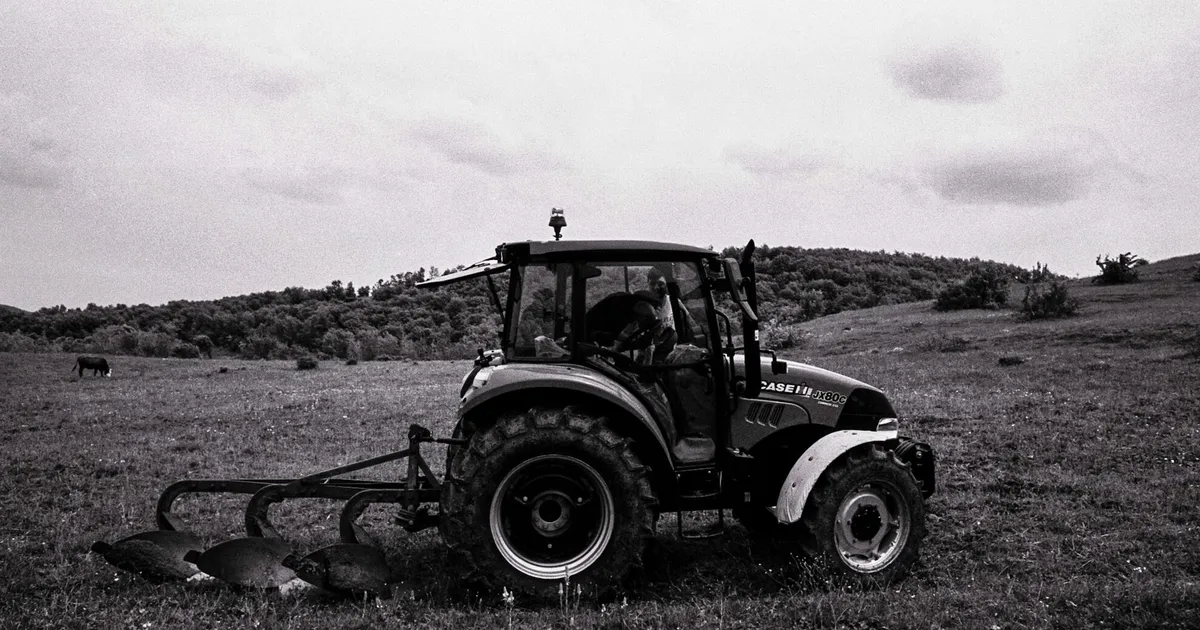
Rural insurer FMG says nesting birds cause about $1.2 million of tractor fire claims every year, and were linked to roughly a third of the 100 tractor fire claims it recorded over the past three years. That makes lifting a bonnet one of the cheapest and most effective risk controls available on a farm.
This is not an abstract warning. The day before FMG’s campaign landed, a large shed fire in Central Hawke’s Bay was confirmed by Waipukurau deputy fire chief Glen Millar as likely started by a bird’s nest in a tractor. Fire and Emergency sent two water tankers. What began as a nest in an engine bay ended as a building fire.
A nest builds faster than you can drink tea
The main offender is the starling. FMG loss prevention manager Abby France says the birds are “incredibly resourceful” and “can build a nest in the time it takes you to stop for smoko or have a cup of tea.”
That speed is the problem. In 2025, veteran Matamata firefighter Kevin Curtis, then a senior loss adjustor with FMG, said starlings can build a nest in as little as 10 minutes once a tractor is parked. They usually build around the exhaust or turbo, where it is warm, dark and hidden. Dry grass and straw packed against hot metal will ignite.
A finished nest is not required. In 2024, Don Geddes, then a Fire and Emergency senior risk reduction adviser, warned that birds can carry in enough flammable material to start a fire well before the nest is complete. The risk is also wider than tractors. FMG has seen fires start in quad bikes, side-by-sides, cars and utes.
The same fires now cost far more
The cost trend is where this becomes a business story. In 2020, FMG estimated nesting birds caused around $700,000 a year in tractor fire claims. Birds were linked to 38% of tractor fire claims over the three years before that. Six years later, the annual figure is $1.2 million, a rise of roughly 70%. The share of claims linked to birds has barely changed, sitting at around a third.
The two figures cover different windows, so the comparison is indicative rather than exact. The direction is still clear. Birds are not starting more of the fires than before. The fires they do start are destroying more expensive machinery. A modern tractor, packed with electronics and hard to source, is a serious capital loss when it burns.
The broader numbers support this. In 2025, Curtis reported that FMG paid out 39 tractor fire claims costing $1.3 million in the first six months of 2024 alone, and 31 of those tractors were total losses. He also said that more than a third of tractors that catch fire are written off completely. FMG’s own tractor guidance has long noted that bird-related fires are concentrated heavily in spring.
The payout is not the real bill
Insurance covers the machine. It does not cover a lost week in peak season. France puts it plainly: “It’s not only that you lose a valuable piece of machinery, but the disruption can have a significant impact on your day-to-day farming operations, especially as we head into baleage and silage season.” She adds that tractors are “not always the easiest to replace.”
For contractors running tight schedules across several clients, a burnt tractor in November affects everyone in the booking diary. There are also knock-on costs: excesses, possible premium pressure on future renewals, and a lost harvest window that no insurer will refund.
Seconds of prevention beat weeks of downtime
The fixes are cheap and quick:
- Stop and pop. Check under the bonnet before every start, including after lunch breaks.
- Leave the bonnet up when parked so birds are less inclined to nest.
- Carry a serviced dry powder extinguisher on every farm vehicle, as Fire and Emergency has recommended.
- Call 111 early. Crews would rather be stood down than arrive after a fire has spread to paddocks and sheds.
- Clear overgrown trees on driveways. Fire appliances need four metres of clearance to get in.
- Check switchboards in sheds. Curtis warned in 2025 that rodent nests near electrical boards are another source of ignition, with potential risk to life.
Peak season is now
Starlings breed from spring into early summer, which is exactly when baleage and silage work peaks. That means the highest fire risk arrives at the moment machinery matters most. Farmers and contractors should make the bonnet check part of the start-up routine this week, before the next nest in an engine bay turns into a total loss.
Sources
- RNZ: ‘Stop and pop’: Farmers urged to check under bonnets over bird-nest fires (2026-10-29)
- NZ Herald: Central Hawke’s Bay shed fire likely started by bird’s nest in tractor (2026-10-28)
- NZ Herald: Waikato firefighter warns of tractor fire risks from bird nests (2025-02-20)
- SunLive: Fire expert’s warning on tractor fire risks (2025-02-11)
- Guardian Online: Preventing fires on farm (2024-10-08)
Join the discussion
Add useful context, ask a good question, or challenge an idea — keep it specific and respectful.