

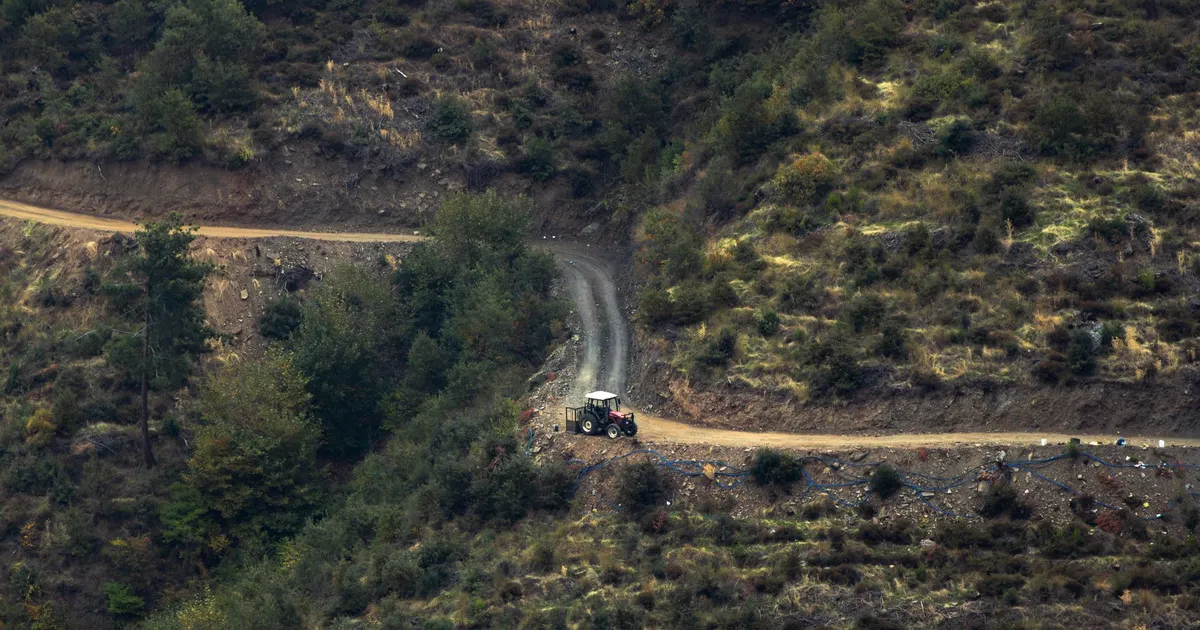
Tairāwhiti has finally stopped treating forestry slash as a clean-up job and started treating it as a land-use risk. The former Tairāwhiti Forestry Action Group has been recast as the Tairāwhiti Transition Advisory Group, with a mandate that covers transition, not just woody debris. The government has redirected the remaining $16.4 million from a $27 million MPI woody debris package into clean-up and pilots that trial sustainable hillside logging, land-use change and slash traps on the highest-risk country.
That is the right shift. It is also a much smaller cheque than the problem needs.
Seven years of paying after the rain
Much of the region’s pine went in after Cyclone Bola in 1988 to hold together the country’s most slip-prone hills. Then the harvest cycle arrived. The 2023 Ministerial Inquiry into Land Use found that clear-felling 4,500 hectares over three to five years in the Uawa catchment directly caused destructive debris flows. It recommended capping clear-fell at 5% of a catchment a year and coupes at 40 hectares.
The government’s response leaned heavily on mopping up. By 2024, Budget money had taken total Crown spending on Tairāwhiti debris and sediment removal past $110 million, with more than 440,000 tonnes cleared. Useful work, and it kept contractors employed, but clean-up money buys the same outcome every time a cyclone stalls over the ranges. It does not change the odds of the next one.
Forestry stays, just not everywhere
This is not a story about the end of East Coast forestry, and nobody serious is arguing it should be. In 2024, Forestry Minister Todd McClay rejected claims forestry was over in the region, saying very high-risk land would have to change use. At the time plantation forestry covered 21% of the region and contributed 8.7% of GDP.
The industry’s own figures make the stakes plain. Eastland Wood Council chairman Julian Kohn cites NZIER research putting forestry at 7.9% of Tairāwhiti GDP, about $295 million a year, the highest share of any region. Kohn now warns the region cannot afford to lose more skilled workers and businesses while it works out the long-term answer.
What has changed is that the sector, council and iwi are broadly on the same page. Gisborne District Council chief executive Nedine Thatcher Swann says the region needs “a future where forestry can continue on appropriate land, harvesting is undertaken well, and land carrying the greatest risk has a realistic pathway to transition”. Te Rūnanganui o Ngāti Porou has long argued it cannot keep focusing on clean-ups alone, and wants a hand in shaping the transition from the start. Consensus of that breadth on the East Coast is rare and worth banking.
Governance has moved faster than capital
Here is what most coverage misses. The scale of the ask was set out in 2025, when the council said up to 1000 landowners would need to shift 60,000 to 100,000 hectares, against a $1.2 billion weather recovery bill. It planned a business case seeking Crown investment to fund that.
Set $16.4 million against that land area and it works out at roughly $160 to $270 a hectare, before anyone has paid for establishment, lost harvest revenue or consent work. These are pilots, not a transition programme. The institutional plumbing is now in place. The capital to use it is not.
That gap matters for anyone with money on the East Coast. Forestry owners on red-zoned land face open questions about harvest rights and land-bank values. Lenders and insurers are pricing erosion-prone blocks without knowing what the land will legally be allowed to do in a decade. Ratepayers are funding a council that is both regulator and supplicant to Wellington.
The right regulatory instinct
There is a sound centre-right logic underneath this. In 2025 the government moved to amend the National Environmental Standards for Commercial Forestry to cut red tape on low-risk sites while setting clearer rules for high-risk ones. That is targeted regulation: leave the bulk of the industry alone and focus hard on the slopes that actually fail. Tairāwhiti is where that principle gets tested on the ground.
The sector has bought in. NZ Forest Owners Association chief executive Dr Elizabeth Heeg wants decision-making that recognises where land use has to change while allowing forestry to continue where it remains appropriate. That is an industry asking for certainty, not protection.
What comes next
The pilots, alongside the Te Ārai demonstration catchment, will show whether property-by-property transition plans can work with landowners rather than against them. If they do, Tairāwhiti becomes the template for every erosion-prone region in the country. The harder test comes when the council’s business case lands on a Treasury desk. Coordination is cheap. Retiring tens of thousands of hectares is not, and until someone commits to paying for it, the East Coast will keep budgeting for the next storm.
Sources
- NZ Herald: Tairāwhiti forestry group gets wider land-use transition role (2026-10-23)
- Ministry for the Environment: Outrage to Optimism, Ministerial Inquiry into Land Use Report (2023-05-17)
- Beehive: Next steps to clean-up the East Coast (2024-08-28)
- Newsroom: Forestry is going to look different in Tairāwhiti, says minister (2024-10-17)
- Scoop: Forestry sector backs independent facilitator for Tairāwhiti (2026-08-17)
- NZ Herald: Forestry leader concerned Gisborne land use plan could impact economy (2025-10-28)
- Ministry for the Environment: Regulatory Impact Statement, National Environmental Standards for Commercial Forestry (2025-04-17)
Join the discussion
Add useful context, ask a good question, or challenge an idea — keep it specific and respectful.