

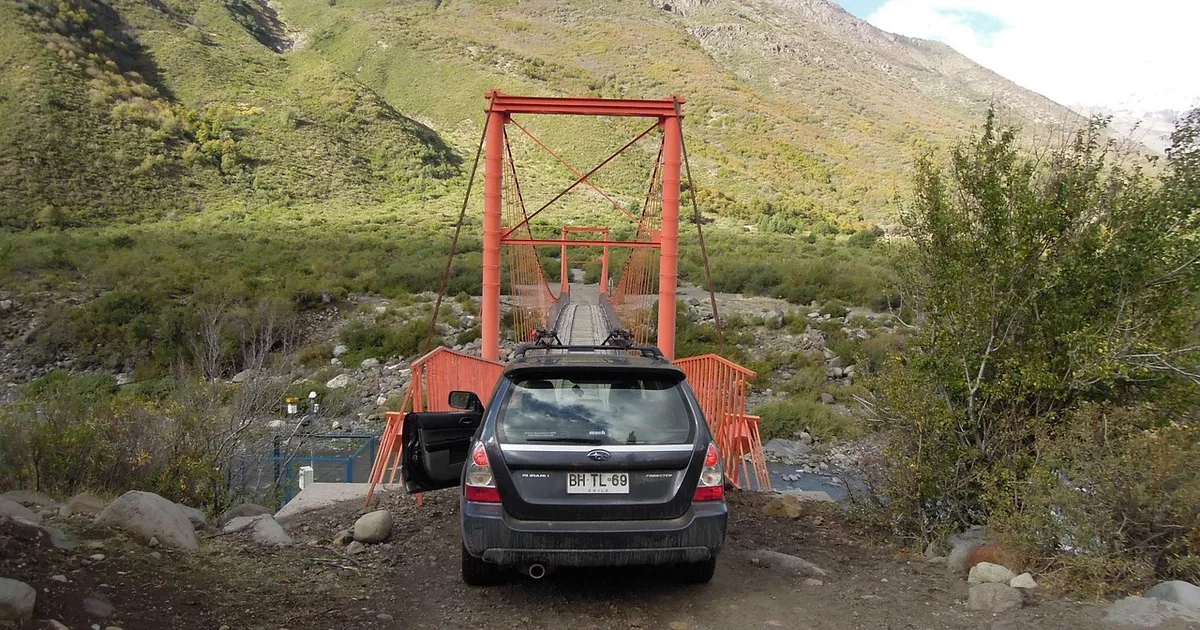
The government’s rates cap is sold as fiscal discipline. In North Canterbury it is starting to look like something else: a mechanism that decides which bridges get rebuilt and which get left to rot. Neither the minister nor the councils want to say that out loud.
The rule is simple. Under the proposed legislation, a council cannot put a project in its 10-year Long Term Plan unless it can fund it within the cap. Only projects in that plan are eligible for NZTA co-funding. For a small rural council, that means a project that cannot clear the cap does not just lose rates funding. It loses the central government subsidy too.
A plan written blind
The timing makes it worse. Councils must adopt their Long Term Plans by 30 June 2027. The 2027-30 National Land Transport Fund allocations will not be announced until September 2027. Councils are being asked to lock in a decade of capital works without knowing what co-funding they will get.
The Canterbury Mayoral Forum flagged this clash in its February 2026 submission to the Department of Internal Affairs. It noted the legislation was due by December 2026, with a transition from January 2027 and full effect by July 2029. Councils would be deep into plan discussions before the final rules existed.
That is not a choice between discipline and spending. It is a gamble.
One bridge, 9,000 ratepayers
Hurunui District Council has 286 bridges and roughly 9,000 ratepayers. Replacing the Conway River bridge on the Kaikōura Inland Road alone is estimated at $10-20 million. The council could get a 53% NZTA subsidy, but only if the project makes the pipeline. That road is the only alternative route for oversized trucks that cannot fit through the State Highway 1 tunnels at Kaikōura. This is not a local road problem. It is a South Island freight problem.
Hurunui chief executive Hamish Dobbie points out the council already ran several years of 10-15% increases after deciding to invest in three waters. That decision came after community consultation a decade ago. These councils are not entering the cap era with slack in their budgets.
Environment Canterbury chair Dr Deon Swiggs notes the region has received just 5% of National Land Transport Fund money across the last two funding cycles. That is despite carrying a heavy share of the island’s freight, tourism and bridge-renewal load. NZTA’s Richard Osborne concedes in the same report that fuel excise and road user charges “have not kept pace with costs, while Crown funding is uncertain”. His answer points to a 30-year plan. The squeeze lands in 2027.
The maths Wellington skips
Local Government Minister Simon Watts justifies the 2-4% band by pointing to median rates rises of 14.2% and 9.2% in the two years before. Ratepayers had every reason to be angry, and councils that spent on vanity projects deserve the scrutiny.
But Waimakariri chief executive Jeff Millward blames inflation, government mandates and roading for the increases, not profligacy. “We will manage our finances prudently, but we are not magicians,” he says. Selwyn District Council puts it more neatly: a cap “doesn’t make the underlying cost of infrastructure disappear“.
The numbers back them. In February 2026, Infrastructure New Zealand chief executive Nick Leggett described one Canterbury district with 280 bridges. About 100 of them need replacing within 30 years, which requires around $4.75 million a year against current funding of about $200,000. Closing that gap would mean a roughly 60% lift in roading rates. On a $15 million inland freight bridge facing weight limits or reverting to a ford, Leggett said: “That is not resilience. It is managed decline.”
In 2025, then-Marlborough mayor Nadine Taylor said local government inflation of 3.3% would eat almost all of a 4% cap. She argued roading should be exempt, the same way water charges are.
Where the bill actually goes
Caps do not shrink costs. They move them. In the same 2025 reporting, Standard & Poor’s warned that a cap could push councils toward more debt to fund capital works. The government’s own regulatory impact statement concedes councils with infrastructure deficits will need a clear process to exceed the cap. That is close to admitting, in advance, that the cap will break.
The need is already large. NZTA forecast $1.8 billion of Canterbury transport investment in the 2024-27 programme, and that was before any cap applied.
For business, the risk is not higher rates. It is a bridge with a weight limit on the only route your oversized load can take. It is a freight detour that disappears, or a council balance sheet loaded with debt that ratepayers repay later anyway.
The fix is not to scrap the cap. Restraint on councils is overdue. The fix is to align the NLTF timetable with Long Term Plans and to treat bridge renewals as the national freight asset they are. Without that, the cap does not discipline anyone. It just lets the Conway River bridge decay until a truck or a flood forces the decision, at several times the price.
Sources
- ODT: Rates cap could leave Canterbury roading projects high and dry (2026-10-21)
- Scoop: ‘We Are Not Magicians’: Canterbury Councils Hit Back At Rates Cap (2026-09-02)
- ODT: Councils face rates cap while footing bill for proposed amalgamation (2026-09-03)
- RNZ: Rates cap puts future infrastructure projects at risk, Marlborough mayor says (2025-12-04)
- Canterbury Mayoral Forum: Submission on rates target model for New Zealand (2026-02-04)
- Regulatory Impact Statement: Rates Capping
- NZTA: Canterbury fact sheet – NLTP 2024-27 (2024)
Join the discussion
Add useful context, ask a good question, or challenge an idea — keep it specific and respectful.