

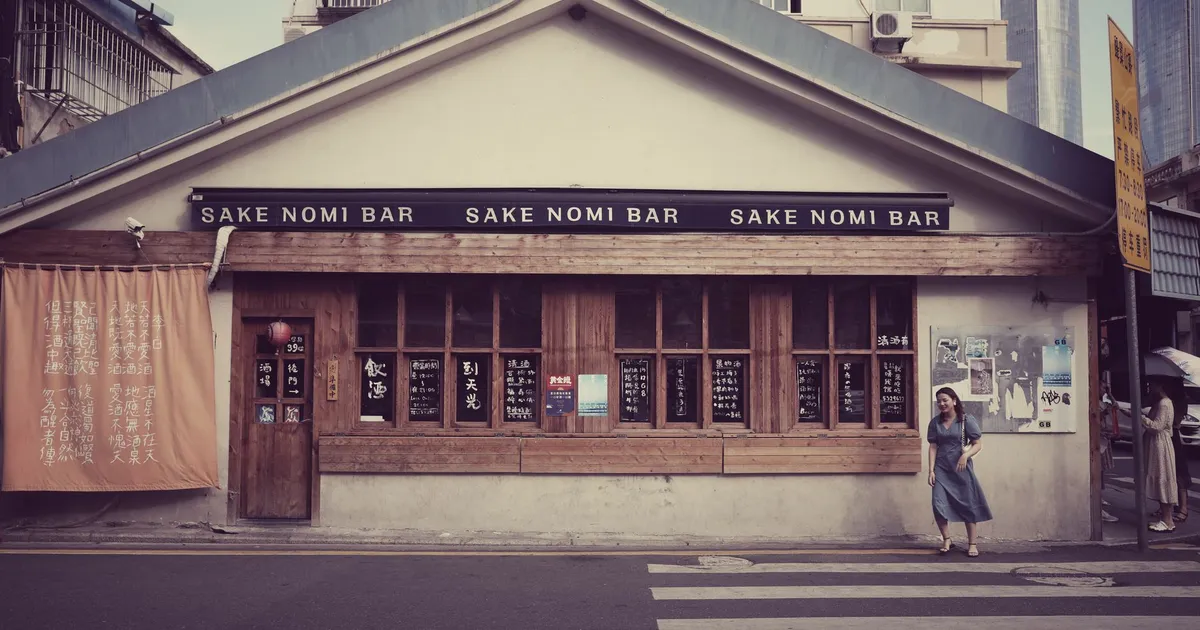
A Japanese restaurant in central Dunedin could lose its liquor licence despite trading for 19 years “without issue”, the Otago Daily Times reported this week. The precise grounds for the review sit behind the paper’s paywall and were not available to us, so we are not going to guess at them. But the bigger question does not depend on the details. How does a business with nearly two decades of clean trading end up one hearing away from losing the licence that underpins its margins?
The answer is that New Zealand’s alcohol licensing regime is built to look forward and to look recent. Long-term good behaviour is worth surprisingly little.
The system has an 18-month memory
The mechanics sit in the Sale and Supply of Alcohol (Fees) Regulations 2013, which set the cost/risk rating used to classify licensed premises. Restaurants are weighted 2 to 15 points by premises class. Latest trading hours add up to 5 points. Enforcement holdings add 10 points for one and 20 for two or more, but only those recorded in the last 18 months.
Read that window carefully. Nothing in the formula credits the other 17.5 years. A venue’s rating is driven by its type, its hours and its most recent run of form. A single bad stretch can carry the same weight whether it follows a decade of compliance or a month of it.
Renewal is also not a rubber stamp. Under the Sale and Supply of Alcohol Act 2012, district licensing committees and the Alcohol Regulatory and Licensing Authority can approve, renew, suspend or revoke licences against two objects: safe and responsible supply, and minimising alcohol-related harm. Inspectors, police and medical officers of health can all oppose. Each renewal is effectively a fresh suitability test, and history is evidence, not immunity.
Dunedin’s inspectors have been busy
The local context matters. Dunedin’s licensing system has been testing operators hard on several fronts. In June 2025, Vault 21 had its licence suspended for 72 hours after ARLA found a sponsored Moët promotion involving an ice-sculpture champagne fountain showed “a high level of irresponsibility”. In July this year, Tokyo Garden withdrew its licence application after its owner was fined $1,000 for pointing an imitation firearm at a member of the public and failed to notify an ownership change.
Bar Dropkicks faces a hearing to revoke its temporary authority after staff locked an intoxicated patron in a bathroom overnight. Report author Kevin Mechen described it as unusual to question a temporary holder’s suitability before a substantive application had even arrived. Back in 2023, Sila Turkish Cafe was sent to a hearing because its sole director was also its only duty manager, working in the kitchen while nominally in charge of alcohol service.
None of these is the Japanese restaurant. Some were plainly deserved. The Sila case is the one small operators should study, though. It was not about misconduct. It was about whether a thin staffing model met the letter of the law. That is exactly the kind of thing a long-established, owner-operated restaurant can drift into without noticing.
The industry has been saying this for years
In 2025, Hospitality New Zealand, which said it represented more than 2,500 businesses, complained that members regularly experience “undue pressure” from police, council inspectors and medical officers of health, along with “inconsistent outcomes” from licensing committees at renewal. It called local alcohol policies broadbrush tools hitting “many well run businesses”. Its 2026 summit report went further, noting that “small businesses face high compliance costs and long approval times”.
The government’s own reviewers now agree. The September 2026 Better Regulation of the Hospitality Sector report found licensing and renewal processes “can be disproportionate to the risk posed by hospitality settings”, and that uniform treatment regardless of performance “penalises those doing the right thing”. It recommended businesses be “supported and trusted to meet high standards”.
That is about as clear an admission as a regulatory review gets. A regime that cannot distinguish a 19-year operator from a 19-month one is not managing risk. It is managing paperwork.
What owners should do before their next renewal
Until the review’s recommendations become law, operators should treat compliance as a rolling 18-month exercise, not something to tidy up the week the renewal form arrives. Check that duty manager cover genuinely matches trading hours. Notify ownership and management changes promptly. Keep records of incidents and how they were handled. Watch any promotion that could be read as encouraging excessive drinking.
The outcome of the Dunedin case will eventually appear in the council’s published licensing decisions. Whatever the committee decides, the structural point stands. The government has a report on its desk saying good operators deserve trust. The test is whether ministers turn that into a system where 19 clean years actually count for something.
Sources
- ODT: Japanese restaurant in central Dunedin could lose liquor licence after 19 years ‘without issue’ (2026-10-21)
- The Press: ‘High level of irresponsibility’: Champagne guzzling sees restaurant’s liquor licence suspended (2025-06-09)
- ODT: Owner pointed imitation gun, loses licence (2026-07-16)
- RNZ: Dunedin bar Dropkicks could lose its liquor licence after locking drunk person in bathroom overnight (2026-05-05)
- ODT: Restaurant to be quizzed over licence obligations (2023-10-04)
- Hospitality NZ: Local Government Positions Document 2025 (2025)
- Hospitality NZ: 2026 Hospitality Summit Report (2026)
- Better regulation of the hospitality sector: Final Report (2026-09)
Join the discussion
Add useful context, ask a good question, or challenge an idea — keep it specific and respectful.