

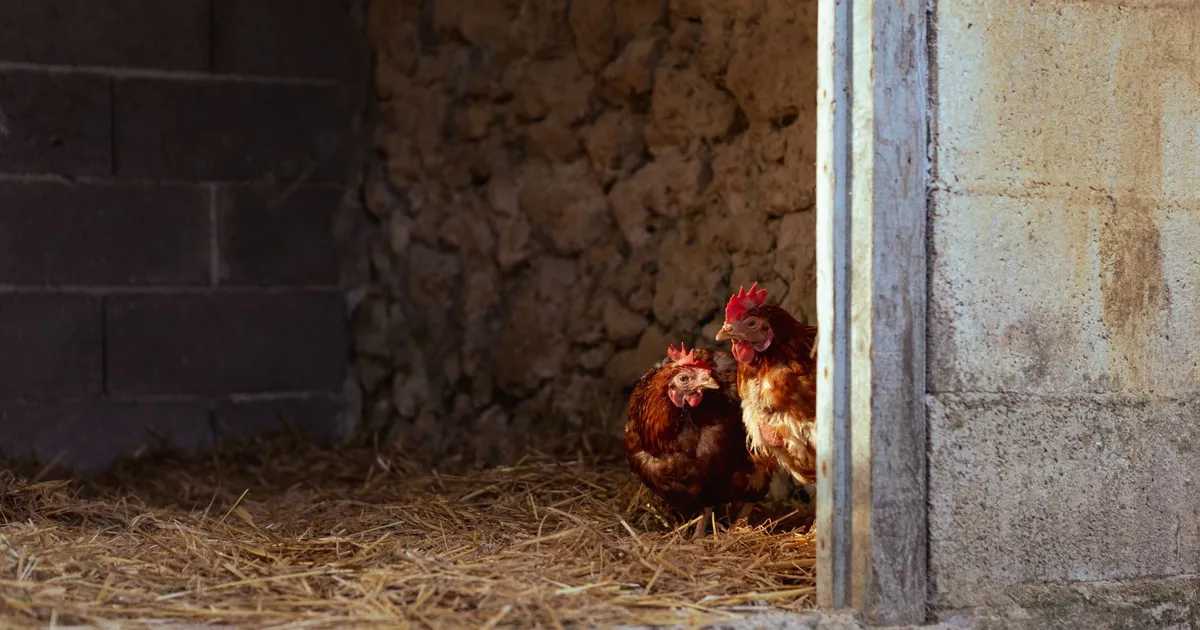
Mainland Poultry is putting a “significant, multimillion-dollar investment” into its Waikouaiti egg farm north of Dunedin. It reads like a regional business brief. It is actually the answer to the question shoppers asked in 2022, staring at empty egg shelves. Shortages end when someone with a strong enough balance sheet decides the economics justify spending money, and not a day before.
What the money is buying
The detail sits in an Overseas Investment Office decision dated 7 August 2026. It approved Benedict Holdings, owned by funds managed by Navis Capital Partners and Pacific Equity Partners, acquiring 100% of Indus Valley Limited, covering roughly 237 hectares freehold and 663 hectares leasehold. The approved plans include converting the Waikouaiti colony farm into a barn operation, developing a new free-range layer farm at Ranfurly and installing a new egg grader at the Auckland post-production facility.
The ownership listed in that decision tells its own story: Australia 34%, United States 32%, various 25% and New Zealand just 9%. The transition of a staple domestic food supply is being financed largely from offshore.
A shakeout the industry saw coming
None of this was a surprise. Back in 2010, an Egg Producers Federation economic analysis estimated industry-wide conversion away from cages would cost $45 million to $150 million, with long-term annual cost increases of 10-14% passed to consumers. It also warned that “a ban on cages would not be feasible for a number of properties as cash flows may not allow conversion and some investors would prefer to exit the industry.” At that point about 90% of commercial eggs still came from conventional cages.
By 2020, consolidation was well underway. A Commerce Commission clearance determination that year counted roughly 160 egg farms and 3.9 million hens, with cage production down from around 85% historically to about 40%.
Then the bill arrived. A USDA report from January 2023 recorded the national flock falling from 4.2 million hens in 2021 to 3.8 million in 2022, with prices averaging NZ$5.93 a dozen by year end. Even in December 2022, 10% of operations were still on conventional cages days before the ban. Dried egg imports jumped 44% in volume to NZ$8 million as manufacturers scrambled. The 2010 warning had played out almost exactly: producers who could not fund conversion simply left.
The producer that kept building
While others exited, the company then trading as Zeagold Nutrition went the other way. In January 2023, CEO John McKay told Farmers Weekly the shortage was “likely to be a short-term issue”, even with feed at record highs and making up 60% of production costs, and free-range eggs costing about 40% more to produce than colony. The business then ran nine farms and 1.16 million hens, and supermarkets were already signalling colony eggs would be dropped from 2025/26.
The bet continued. In 2025, the OIO approved Mainland’s purchase of about 126 hectares at Ranfurly for $1,524,000, converting sheep and wool country into a free-range egg farm.
Why offshore capital likes a boring protein
In May, Mainland was sold for nearly $300 million to Navis alongside Sydney-based PEP Gateway. McKay says the new ownership “provides a strong base for us to continue to grow New Zealand egg production.”
Mergermarket reports PEP Gateway’s equity cheque exceeded US$60 million, for a business supplying nearly 40% of national eggs, with revenue of $244.3 million and net profit of $11.3 million in the year to March 2025. That is a margin of roughly 4.6%. PEP Gateway director James Randall points to a “non-discretionary demand profile” and says the business “has been the largest investor in production over the last decade, and you will see that continue.”
The telling number is the valuation. Mergermarket notes it sits at roughly the same NZ$300 million as when Navis bought in during 2017. Nearly a decade of heavy investment, a national shortage and higher shelf prices, and the enterprise is worth about the same. Much of that capital went into compliance rather than growth in value. Only patient, scale investors will accept that maths.
The lesson for every compliance-heavy sector
Welfare standards are a legitimate public choice, and consumers clearly wanted cage-free eggs. But the egg saga shows how such rules actually land. Regulators set the destination, capital sets the timetable, and households pay for the gap in between. Smaller producers without access to cheap money exit, the market concentrates, and the survivors end up owned by whoever can wait longest for a return.
Pork, dairy and horticulture face their own welfare and environmental capex walls. The egg industry is the template. Policymakers wanting faster transitions should care less about deadlines and more about whether the OIO process, lending conditions and planning rules make the next cheque easy to write. Waikouaiti’s barn conversion is good news for supply. It is also a reminder that only 9% of the money behind it is local.
Sources
- Otago Daily Times: ‘Significant, multimillion-dollar investment’ coming to egg farm north of Dunedin (2026-10-20)
- Egg Producers Federation: Points raised re impacts of transition away from conventional cages for layer hens (2010-10-15)
- Commerce Commission: Heyden, Henergy and Rasmusens clearance determination (2020-09-16)
- USDA Foreign Agricultural Service: New Zealand Experiences Egg Supply Shortage (2023-01-11)
- Farmers Weekly: While some flee the industry, one egg giant has plans to expand (2023-01-20)
- Otago Daily Times: Dunedin’s Mainland Poultry sold to overseas investors (2026-05-29)
- Mergermarket: PEP Gateway makes anchor investor debut in continuation vehicle for New Zealand egg producer (2026-06-02)
Join the discussion
Add useful context, ask a good question, or challenge an idea — keep it specific and respectful.