

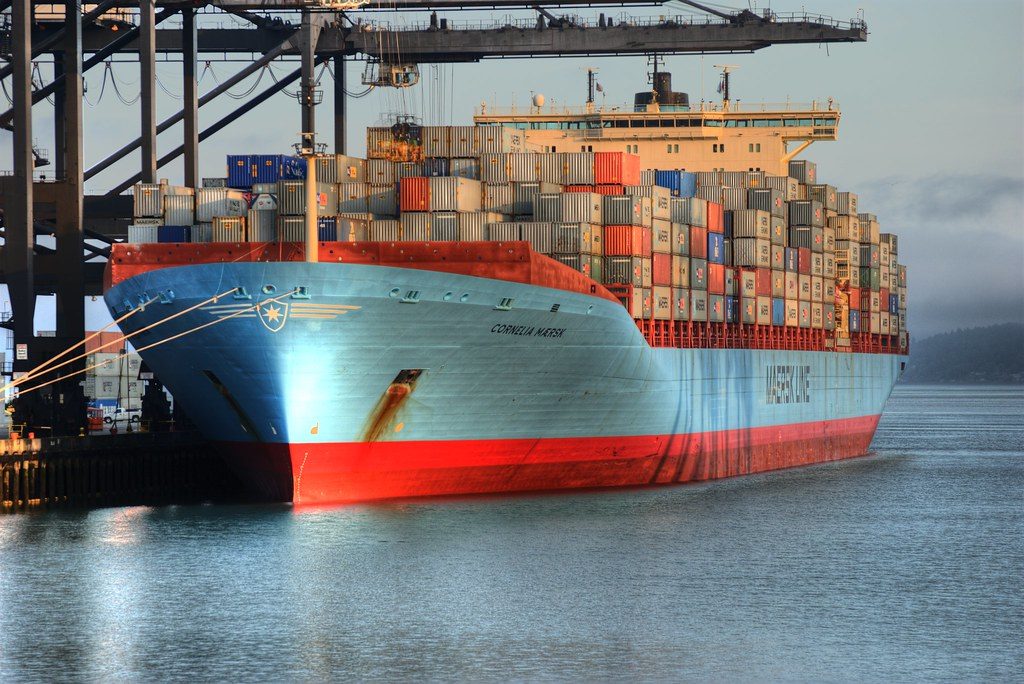
British exports to the United States plunged by £2 billion in April 2025, falling to £4.1 billion—the lowest monthly total since February 2022 and the steepest drop since 1997—as new US tariffs took effect.
The Office for National Statistics attributed the decline to tariffs imposed on British goods, which hit sectors including automotive, chemicals, and metals. Despite some exporters accelerating shipments in March to avoid the tariffs, April exports remained 15% lower than the previous year. Imports from the U.S. to the UK also fell by £400 million, returning the U.S. to a goods trade surplus with the UK for the first time since May 2024.
The tariffs, introduced by the Trump administration, included a 50% duty on UK steel and aluminium and a 27.5% tariff on cars, later adjusted to a 10% rate for up to 100,000 vehicles annually under a limited trade deal announced in May. This deal also removed steel and aluminium tariffs and expanded U.S. beef imports to the UK, though a 10% tariff on most British goods remains while negotiations continue.
The automotive sector, vital to UK-U.S. trade, was especially affected, with major manufacturers like Jaguar Land Rover temporarily halting exports to assess the impact.
The export slump contributed to a £4.4 billion widening of the UK’s goods trade deficit to £60 billion over three months to April, and an overall trade deficit of £11.5 billion including services. UK GDP contracted by 0.3% in April, with the services sector shrinking by 0.4%. Labour market data showed falling job vacancies and slowing wage growth, increasing speculation of an interest rate cut by the Bank of England.
Globally, the tariffs have added to market volatility and prompted the IMF to downgrade its 2025 growth forecast, warning of recession risks in the U.S. While the UK government views the partial trade deal as progress, many British businesses remain cautious.
Small and medium-sized exporters face tough choices over absorbing costs or passing them on, risking competitiveness in the U.S. market. Documentation and proof of origin have become crucial to avoid customs delays.