

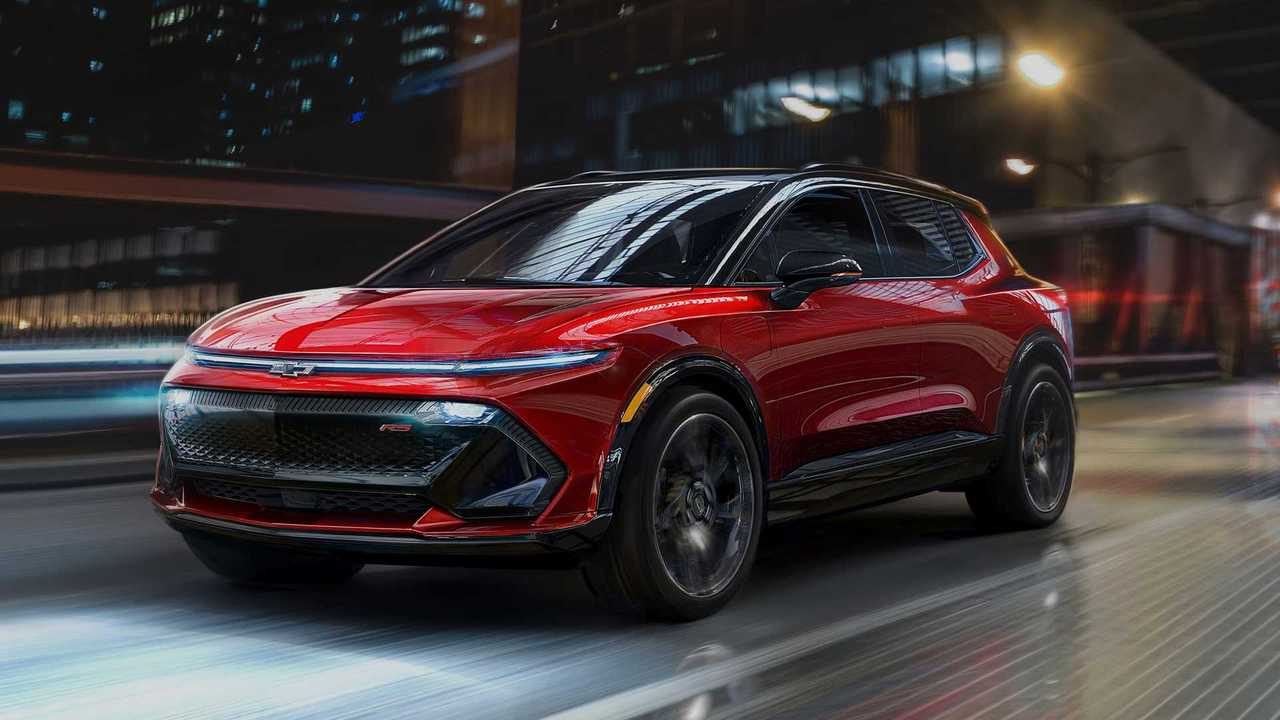
The United States is falling behind other countries in the global shift to electric vehicles, despite a recent boost in sales driven by the expiry of a generous government subsidy.
Over one million battery electric vehicles were sold in the U.S. in the first nine months of 2025, fuelled by a rush to benefit from the $7,500 federal tax credit that ended in September. This pushed EV market share to about 10.5% in the third quarter, with Tesla and General Motors as leaders.
However, industry figures warn this growth won’t last. Ford’s CEO Jim Farley said, “It’s going to be a vibrant industry, but it’s going to be smaller, way smaller than we thought,” and General Motors’ CFO Paul Jacobson predicted demand will drop sharply.
Elsewhere, other markets continue to move ahead. Battery and hybrid vehicles reached almost 30% of new car sales in the UK last year, with Europe averaging 20%, while China accounted for nearly half of all new car sales as electric. Chinese companies like BYD overtook Tesla in global electric vehicle sales, thanks to low prices and rapid growth.
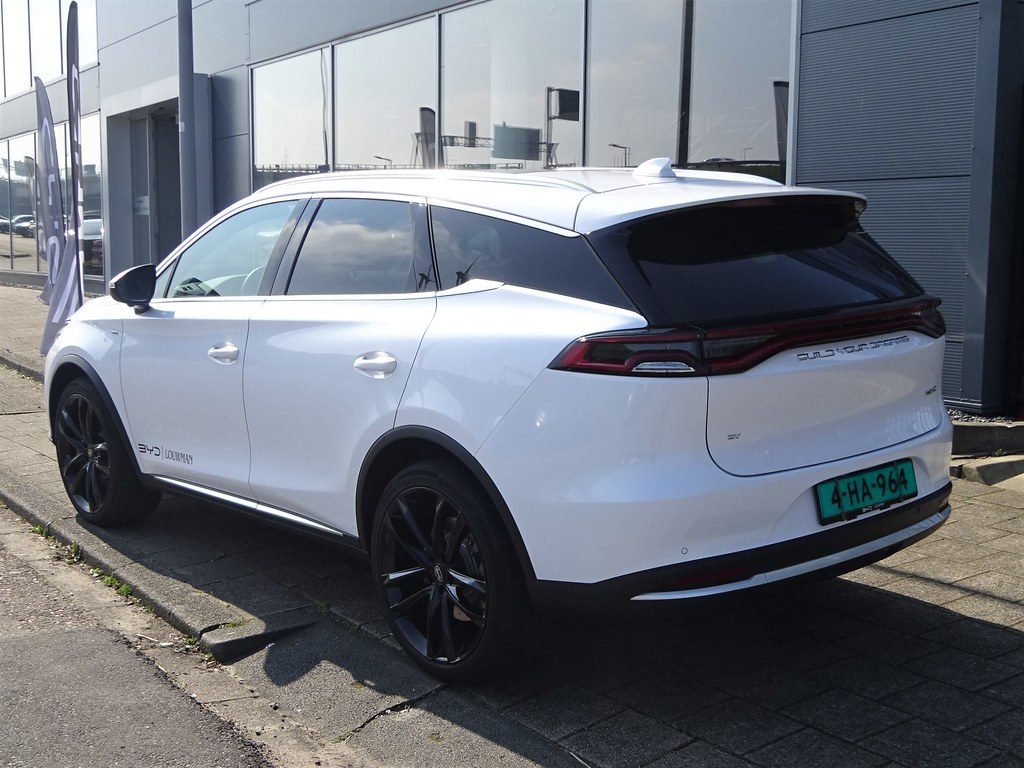
U.S. adoption lags due to weaker government support compared to Europe and China. While former President Joe Biden targeted half of American car sales to be electric by 2030, and boosted subsidies, charging infrastructure, and manufacturing support, the ending of the tax credit and tariffs on Chinese imports have raised vehicle prices. These tariffs keep affordable foreign EVs like BYD largely out of the U.S. market.
The average price for an electric vehicle in the U.S. is over $57,000, about 16% above the general car average, whereas in the UK several EV models cost under £20,000. Hyundai has reduced prices on its Ioniq range to counteract the loss of subsidies, but Tesla plans higher lease payments.
Stephanie Brinley from S&P Global Mobility warns that 2026 will be challenging for the U.S. market, expecting total vehicle sales to fall about 2% due to tariffs and subsidy removal. However, others caution it is still early to count the U.S. out, noting different technological paths are still being explored.
Compared to Europe and China, U.S. policies and market conditions remain less favourable, risking the country’s position in the global EV revolution.