

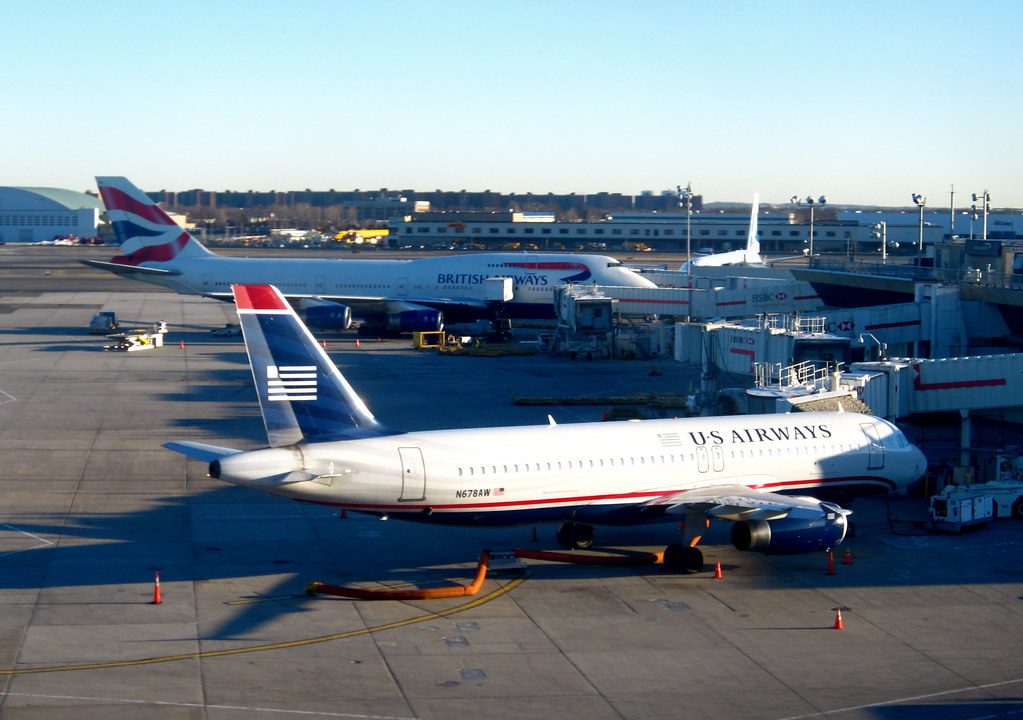
The ongoing U.S. government shutdown is causing widespread flight delays at major airports due to severe shortages of air traffic controllers.
The Federal Aviation Administration (FAA) reported that staffing gaps have forced reductions in arriving flights and delays, with airports like Nashville, Chicago O’Hare, and Newark particularly affected.
Arriving flights at Newark are being held for up to 30 minutes, while Chicago O’Hare faces average delays over 40 minutes. Nashville has cut both arrivals and departures until further notice.
Since the shutdown began in October, around 13,000 air traffic controllers and more than 60,000 TSA officers have been working without pay as essential employees. This has led to increased sick leave and absences, with staff availability dropping by up to 50% in some areas.
“If we don’t have controllers, we’re going to make sure the airspace is safe. So what we do is we’ll slow traffic,” Transportation Secretary Sean Duffy said. He also stated how the shutdown adds stress as workers worry about unpaid wages and financial obligations.
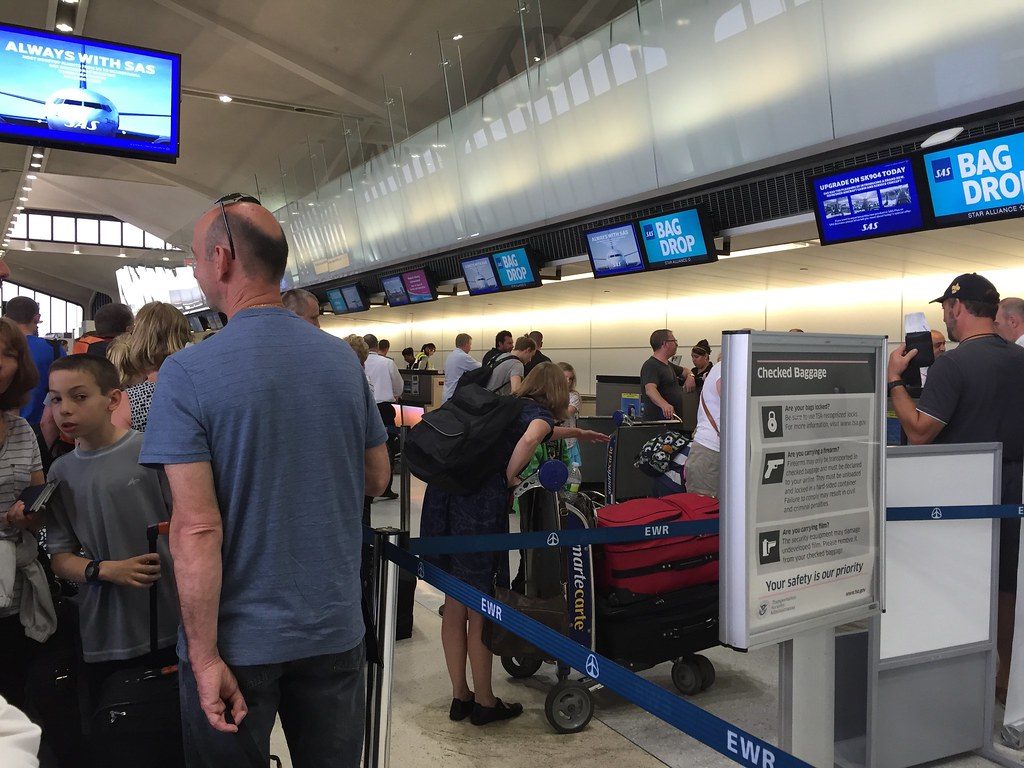
Flight tracking data show over 3,000 delayed flights nationwide, with roughly 20% of flights at Nashville and over 15% at Chicago delayed. The situation risks worsening as the travel-heavy holiday season approaches.
Controllers describe their work as increasingly stressful and exhausting, with many concerned about when salaries will resume.
Drew MacQueen of the National Air Traffic Controllers Association said, “Air traffic controllers didn’t initiate the shutdown, and they certainly aren’t the ones who will resolve it.” The shutdown also impacts rural airports relying on federal subsidies that may soon expire, threatening air service to smaller communities.
Alongside staffing issues, adverse weather further disrupts flights across the country. The FAA continues to balance safety and efficiency amid the shutdown, encouraging travellers to check flight updates regularly.
Similar disruptions during the 2019 shutdown pressured lawmakers to act swiftly, but with no resolution in sight, the strain on the U.S. aviation system remains severe.