


Tensions in the Persian Gulf have intensified as U.S. President Donald Trump hints at sending troops to capture Kharg Island, Iran’s critical oil export hub.
This small outpost in the northern Gulf processes nearly 90 per cent of Tehran’s crude shipments, enabling supertankers to load up to two million barrels in its deep waters despite heavy sanctions, Reuters data shows.
The island’s history underscores its fragility. Iraqi jets targeted it relentlessly during the 1980s Iran-Iraq War, and on 13 March 2026, U.S. strikes hit 90 military sites while sparing the oil facilities—a calculated show of restraint, say analysts.
Such an operation would seek to choke Iran’s revenues temporarily, pressuring Tehran to loosen its grip on the Strait of Hormuz, through which one-fifth of the world’s oil flows daily according to the U.S. Energy Information Administration. Iran’s parliamentary speaker Mohammad Bagher Ghalibaf has warned that forces would “rain down fire” on any invaders, backed by new anti-aircraft defences reported by Al Jazeera.
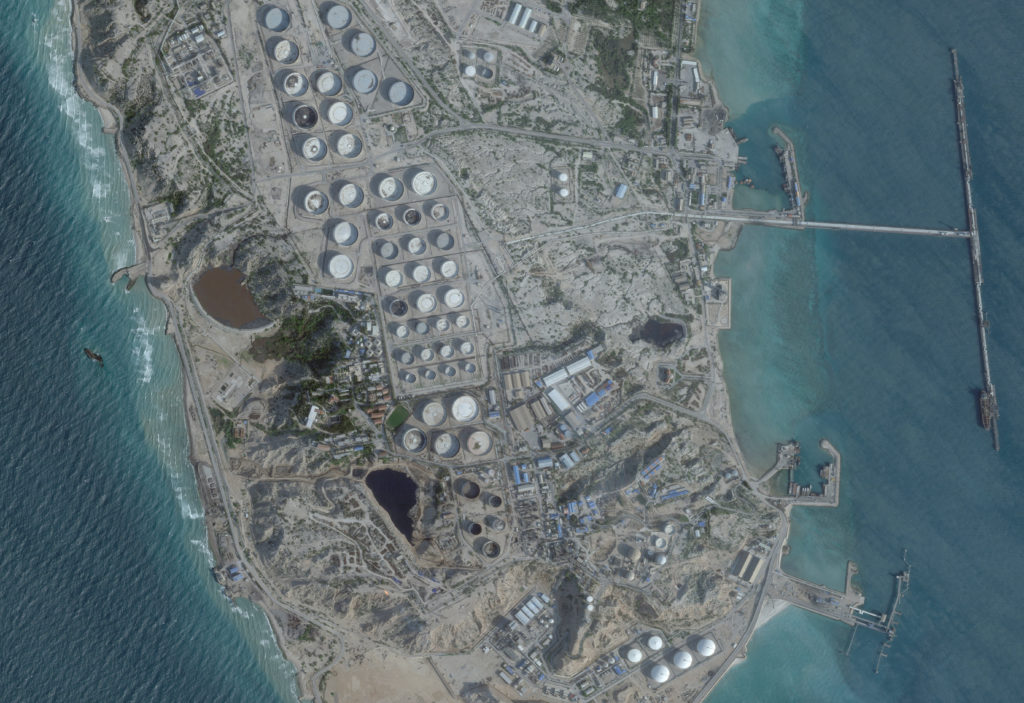
With 5,000 Marines and 2,000 paratroops from the 82nd Airborne now in the region, speculation mounts about an assault on the 20 sq km island. Paratroops could seize key points at night, while Marines push ashore via Ospreys and hovercraft. Navigating Iranian drone and missile threats in Hormuz and beyond would be perilous, amplified by Tehran’s hypersonic advances per Jane’s Defence Weekly.
Victory seems probable for elite U.S. units, but holding ground against mainland barrages recalls Russia’s failed occupation of Ukraine’s Snake Island in 2022. Back home, Trump’s anti-war supporters might balk at the toll.
The noise around Kharg could mask diversions to spots like toll-enforcing Larak or silo-laden Qeshm. Yet Trump insisted on Monday that the U.S. is in “serious discussions” with Iran, potentially ending “our military operations.”
In the war’s fifth week, with oil prices up 15 per cent, bridging divides remains elusive. Experts at the Council on Foreign Relations caution of wider escalation risks.