

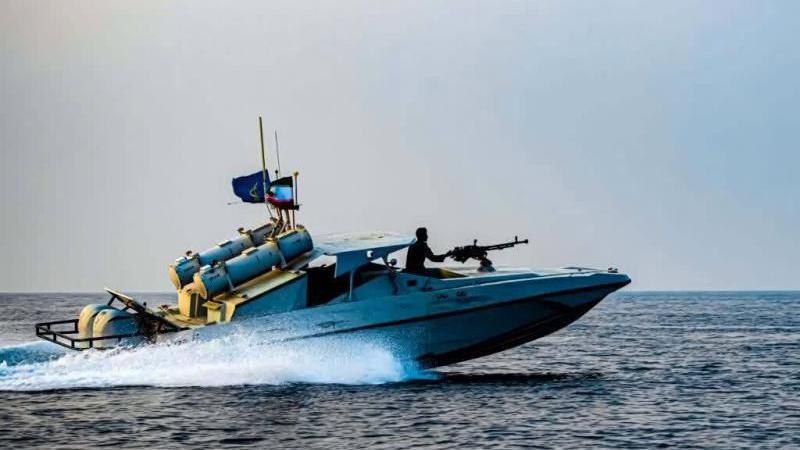
Fresh violence erupted in the Strait of Hormuz on Monday when the United States destroyed seven Iranian speedboats, President Donald Trump announced, coinciding with an Iranian attack that set fire to a key UAE oil facility and deepened fears over global energy supplies.
The strait, which handles 20 per cent of the world’s oil and liquefied natural gas, has been largely closed since U.S. and Israeli airstrikes targeted Iran in late February, prompting Tehran’s blockade. Around 2,000 ships carrying 20,000 crew remain trapped, sparking humanitarian worries about food shortages and mental health, according to International Maritime Organisation reports.
Trump confirmed U.S. helicopters carried out the strikes. “We’ve shot down seven small boats or, as they like to call them, ‘fast’ boats. It’s all they have left,” he said.
Iran disputed this, with Tasnim news agency citing a military source who claimed two small cargo ships were struck instead, killing five civilians.
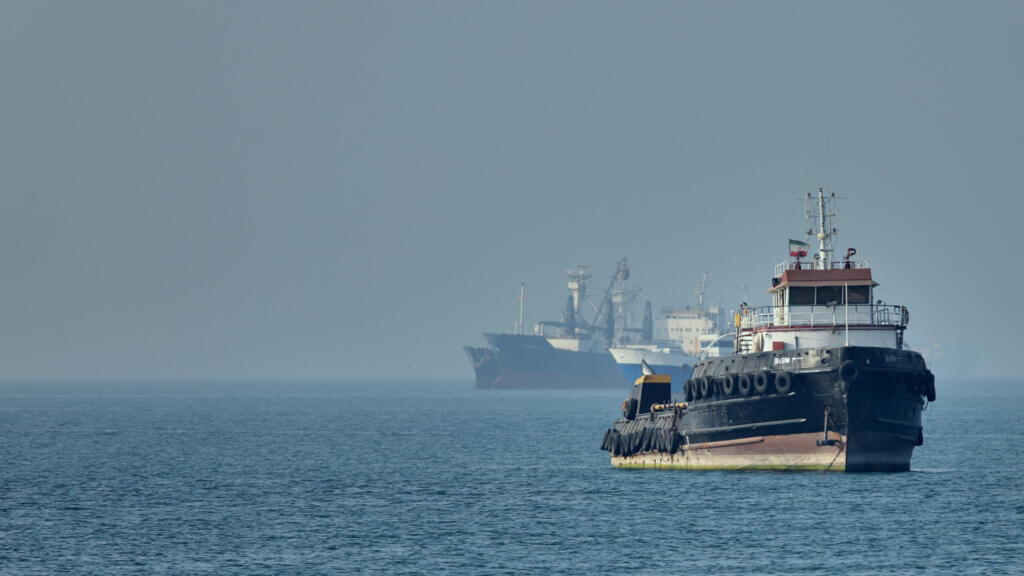
In the UAE, an Adnoc-linked tanker was hit in the strait, and a South Korean vessel exploded nearby. Air defences intercepted 12 ballistic missiles, three cruise missiles, and four drones. The assault on Fujairah, a pipeline-fed port east of the strait, ignited a major blaze and injured three people.
Abu Dhabi labelled it a dangerous escalation, reserving the right to respond, while Iranian state TV quoted an official saying Iran had no plans to target the UAE.
Brent crude surged past $115 a barrel, up over 5 per cent, as markets braced for prolonged disruption.
A bright spot came from Maersk, whose U.S.-flagged tanker Alliance Fairfax escaped under U.S. escort after months stranded. The company confirmed it was offered the opportunity for the vessel to exit the Gulf under U.S. military protection, adding that the vessel subsequently exited the Persian Gulf accompanied by U.S. military assets. The transit completed without incident, and all crew members are safe and unharmed.