

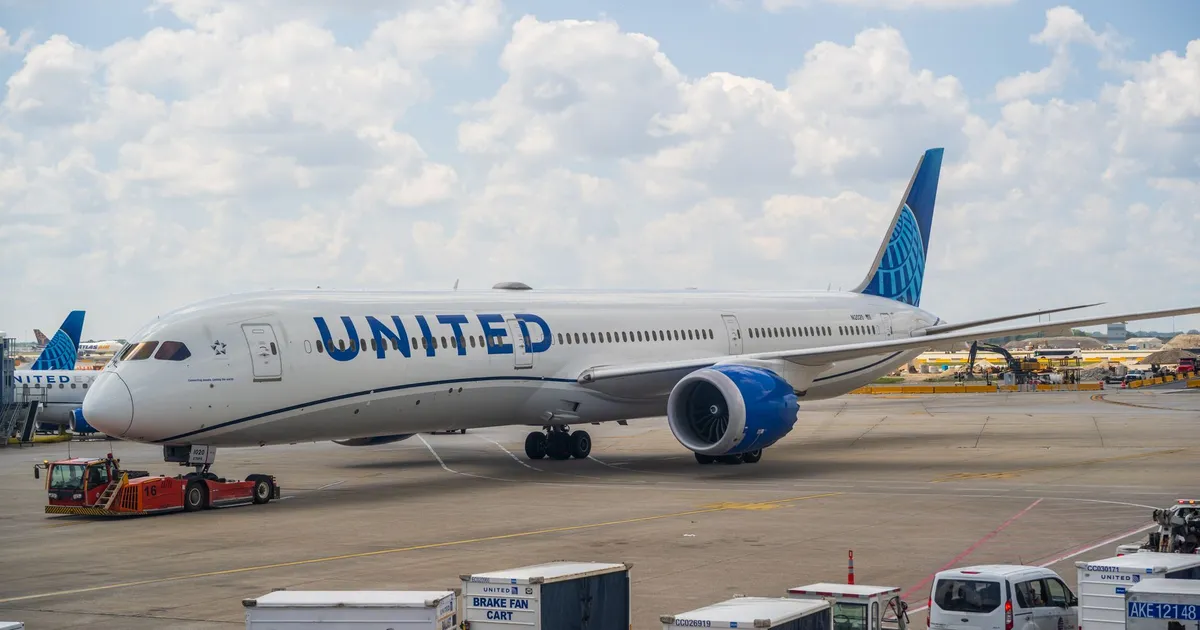
United Airlines has drawn the clearest line yet on agentic AI. AI can help customers research flights, but it cannot transact. On 11 November, United said it is restricting third-party AI agents from booking or managing trips, both on its own platforms and indirectly through travel agencies and aggregators that might deploy agents on customers’ behalf.
The stated reasons are security and regulation. The commercial logic underneath is about something older. When automation gets close to revenue, platforms protect the customer relationship.
Security is the stated reason, control is the prize
United’s case is credible on its face. The airline said customers handing account credentials to personal AI assistants can expose sensitive information and trigger unintended purchases, account changes or unauthorised use of MileagePlus miles. It also flagged that automated actions could breach FAA and DOT rules, particularly at check-in, where a human must confirm bags contain no banned substances.
Bookings made by AI agents before 11 November will stand, though customers are being told to review recent travel plans. United also noted that leaders in banking and retail have taken similar steps, which tells you this is a cross-sector reflex, not an aviation quirk.
The timing is deliberate. Bloomberg Law reported the move lands ahead of the holiday peak, when unauthorised transactions would be most disruptive. It also noted roughly 33% of adults have used generative AI to research travel. United is not fighting that. It is fencing off the checkout.
Nobody wants another online travel agency
Airlines have spent two decades paying commissions to online travel agencies. AI agents look like the next toll booth, and the industry knows it.
eMarketer’s analysis puts the strategic split down to market power. JetBlue “can’t afford to pass up any incremental bookings those tools might bring, while United is betting its stronger market position and customer loyalty will let it do without them.” United’s model, where “agents shape discovery but companies keep control of the transaction and the customer data that comes with it,” is a narrower version of Southwest’s long-running approach.
Discovery is already shifting fast. Adobe data cited by eMarketer shows AI referrals to US travel websites rose 119% year-on-year in July. That is why United is not banning AI outright. It wants the traffic, just not the middleman.
JetBlue president Marty St George took the opposite public stance, saying airlines “need to figure out how to meet them where they are” if customers prefer agents. But he was frank about the threat. The AI industry will attract “a trillion dollars of capital” and “someone’s going to have to pay for that”. For an unprofitable industry, he said, “that’s intimidating.”
Thin margins make every toll matter
The numbers explain the nervousness. In the September 2025 quarter, United reported passenger revenue of US$13.815 billion and carried 48.4 million passengers, up 6.2%. Yet capacity grew faster than traffic, and load factor slipped 0.9 points to 84.4%. When you are filling a slightly smaller share of a bigger plane, a few percentage points of distribution cost on every booking is real money. So is losing the loyalty data that lets you sell upgrades to known, high-value customers.
Trusted humans are winning the handoff
United flies the US west coast to New Zealand, so Kiwi travellers will feel this directly. The more interesting local story is what it says about intermediaries that earn trust.
House of Travel chief executive David Coombes told the NZ Herald the company uses AI to lift customer experience and staff productivity, and is “seeing AI-led travel planning bringing customers back in store to book with travel experts they trust.” His example is the kind of judgement no booking bot has: “A cruise-qualified agent knows a midship cabin can be more comfortable in rough seas.”
That is the same dynamic United is exploiting. Businesses with deep trust, whether a loyalty programme or an advisory relationship, can let AI do the research and still own the sale. Those without it have to accommodate the agents and pay whatever toll comes with them.
Every subscription business faces the same test
For New Zealand firms selling through direct relationships, from SaaS vendors to retailers with loyalty schemes and service platforms, United has just answered three questions publicly. Who carries liability when an agent transacts wrongly? Does agent shopping turn loyal customers into anonymous price-checkers? And does a third-party AI layer become a permanent commission?
The catch, as eMarketer notes, is that the discovery-yes, transaction-no model “only works if the handoff from agent to brand is seamless”. Block the agent and make the customer’s own checkout clunky, and you lose the sale anyway.
United will not be the last to draw this line. Businesses that want to follow should spend less time drafting bans and more time making their own front door the easiest place to buy. As Coombes put it, “what works today could look very different in a year”.
Sources
- United Airlines: United Restricts Access for Third-Party AI Agents (2026-11-11)
- Investing.com: JetBlue president says airlines should follow customers’ lead on AI booking agents (2026-11-11)
- SEC: United Airlines Form 10-Q Quarterly Report (2025-10-30)
- NZ Herald: United Airlines bans AI travel agents from booking or managing trips (2026-11-13)
Join the discussion
Add useful context, ask a good question, or challenge an idea — keep it specific and respectful.