

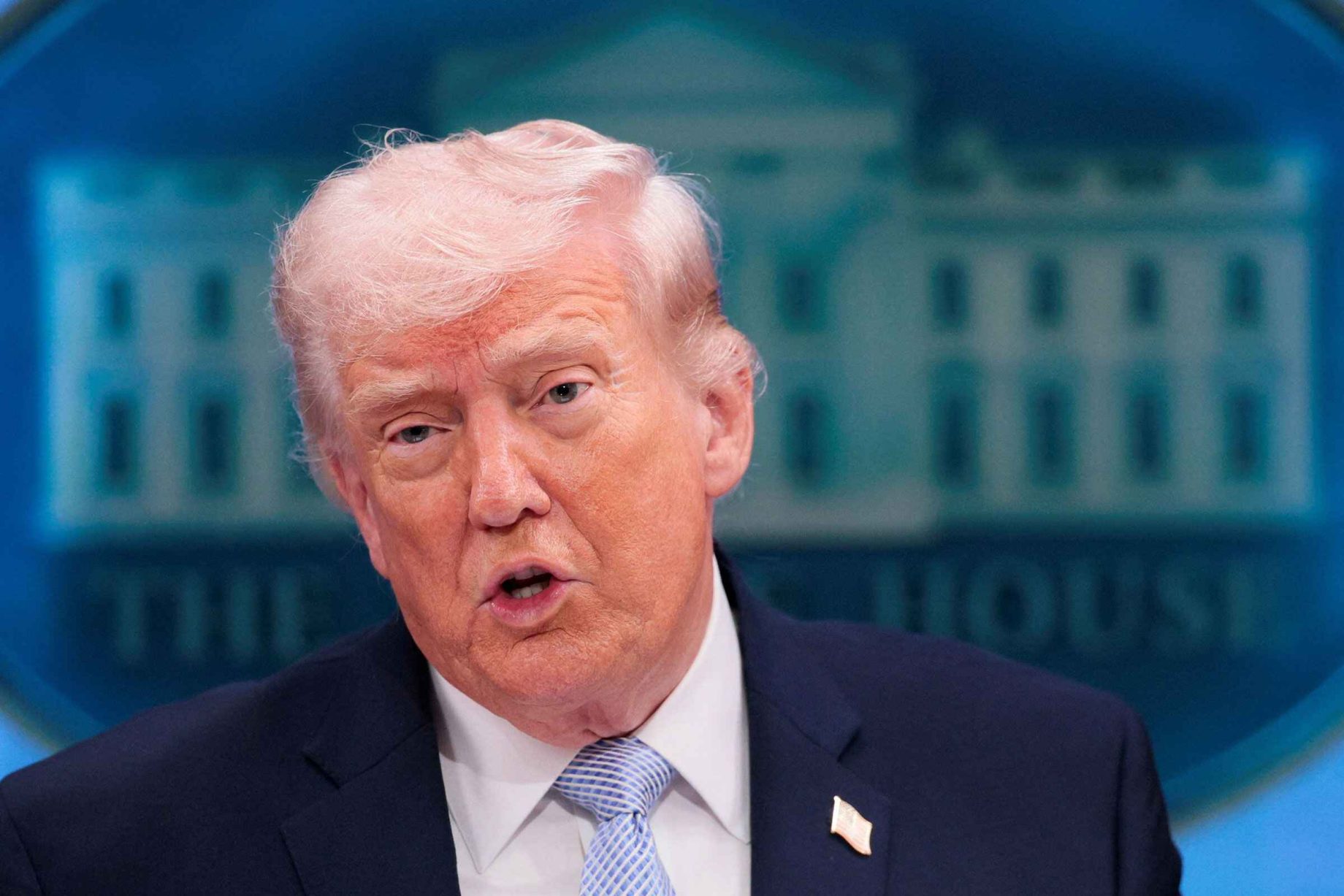
President Donald Trump has suspended planned military action against Iran at Pakistan’s behest, extending a fragile ceasefire and prolonging a conflict that has gripped the world for nearly two months.
The move followed a frenetic day of diplomacy in Washington on Tuesday. Vice President JD Vance had been poised to depart for Islamabad to spearhead fresh U.S.-Iran negotiations, but those plans dissolved as his team regrouped at the White House. Special envoy Steve Witkoff and Jared Kushner rerouted from Miami, joining Vance for critical policy discussions with the president and senior advisors.
Pakistan, serving as mediator between Washington and Tehran, prompted the reprieve. Trump revealed the decision on Truth Social, the platform he favours for war-related announcements since hostilities ignited in late February. Unlike the prior two-week deadline he imposed earlier this month, after issuing both upbeat and ominous signals in interviews, Trump named no end date this time.
“We have been asked to hold our Attack on the Country of Iran until such time as their leaders and representatives can come up with a unified proposal,” Trump said.
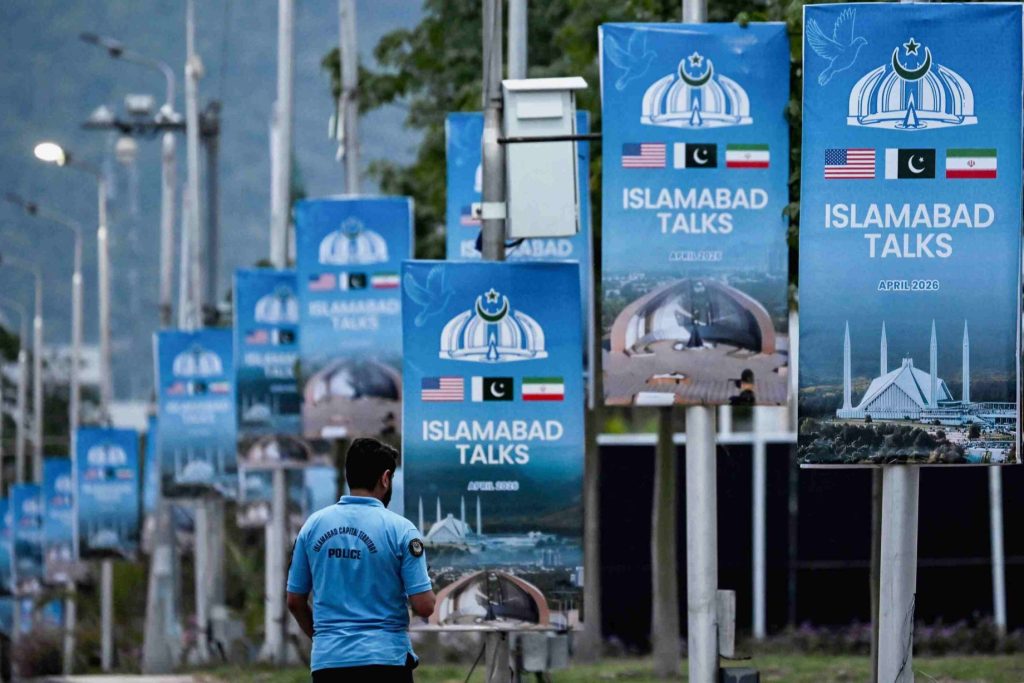
The extension marks the second time in a fortnight that Trump has dialled back escalation threats, affording more room to seek an off-ramp from a war disrupting global energy markets. Oil prices have soared 40 per cent amid the chaos, with the U.S. maintaining its blockade of the Strait of Hormuz, a vital artery for one-fifth of the world’s seaborne crude.
Iran decries the blockade as warfare yet resists Trump’s demands to abandon its nuclear programme and regional proxies. Analysts point to Tehran’s internal rifts as a factor. “This is a pragmatic decision based on what are quite obvious fractures in the current leadership of the Iranian government,” said Brian Katulis of the Middle East Institute.
But Katulis said Trump’s decision also created more uncertainty about how long the war will last. “This move begs the question though for Trump about how he can deal with the economic pain that Americans are experiencing and the political pain he’s experiencing from his base,” Katulis said. “He hasn’t answered the questions that are still driving this crisis.”
James Jeffrey, ex-U.S. ambassador to Iraq and Turkey, told the BBC there is no clear formula for ending wars, noting Trump is not the first to blend threats with offers. With Tehran uncommitted and pressures unrelenting, a swift peace remains distant.