

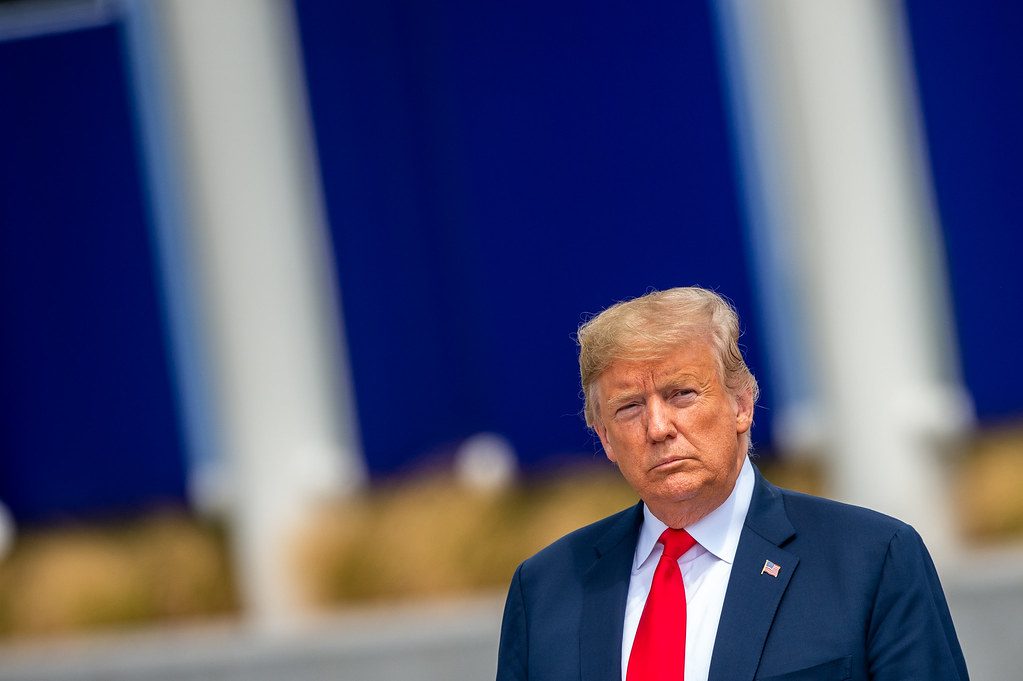
The United States has declared it will introduce a sweeping 30% tariff on all imports from both the European Union and Mexico, effective from August 1.
President Donald Trump made the announcement public through official letters addressed to European Commission President Ursula von der Leyen and Mexican President Claudia Sheinbaum, which he shared on his Truth Social platform.
The decision signals an escalation in the U.S. administration’s ongoing efforts to overhaul international trade relationships and address what it perceives as longstanding imbalances.
Trump’s communications to his counterparts made clear that the new tariffs are intended as leverage in ongoing negotiations, and he expressed dissatisfaction with the current state of cooperation, particularly on issues such as border security with Mexico.
“Mexico has been helping me secure the border, BUT, what Mexico has done, is not enough,” he wrote to Sheinbaum. Trump also stated that the tariffs could be avoided if European companies, or those from Mexico, chose to relocate manufacturing operations to the United States. He warned that any retaliatory measures from the EU or Mexico would be met with further increases in tariffs, stating, “then, whatever the number you choose to raise them by, will be added on to the 30% that we charge.”
The EU and Mexico together account for a substantial portion of U.S. imports, with the EU alone exporting over $550 billion in goods to the U.S. in 2022, and Mexico contributing nearly $455 billion. The new tariffs are expected to have far-reaching consequences for supply chains, manufacturing, and consumer prices across a range of sectors, from automotive to pharmaceuticals.
Ursula von der Leyen voiced concern over the impact of the tariffs, warning that, “Imposing 30 percent tariffs on EU exports would disrupt essential transatlantic supply chains, to the detriment of businesses, consumers and patients on both sides of the Atlantic.”
She reiterated the EU’s willingness to continue negotiations but emphasised that the bloc would “take all necessary steps to safeguard EU interests, including the adoption of proportionate countermeasures if required.”
The Mexican government, following talks with U.S. trade officials, described the tariffs as “unfair treatment.” Mexican officials noted the importance of having established a forum to address such disputes, stating, “It is very significant that starting July 11, we established the necessary pathway and forum to resolve any possibility of new tariffs taking effect on August 1.”
Over the past year, the White House has sent similar notifications to more than 20 other trading partners, including Canada, Japan, and Brazil, with proposed tariff rates ranging from 20% to 50%. These actions follow Trump’s earlier “liberation day” announcement, which imposed a near-universal 10% tariff and higher duties on imports from dozens of countries. The initial announcement triggered volatility in global financial markets, leading the administration to temporarily pause the higher tariffs while pursuing new trade agreements.
While the United Kingdom managed to secure an early agreement with the U.S., accepting a 10% tariff in exchange for certain trade concessions, most other partners remain in negotiations or face the prospect of steep new barriers.
U.S. Treasury Secretary Scott Bessent praised the UK’s approach, noting, “Let this be a lesson to other countries — earnest, good faith negotiations can produce powerful results that benefit both sides of the table, while correcting the imbalances that plague global trade.” Meanwhile, Trump has indicated that the baseline global tariff rate could rise to as much as 20% for countries that have yet to reach a deal.
Industry groups and economists have raised alarms about the potential fallout from these measures, warning of higher costs for consumers and disruptions to established supply chains.
Analysts at the Peterson Institute for International Economics estimate that the new tariffs could increase annual costs for the average U.S. household by over $1,000, while the International Monetary Fund has cautioned that a prolonged trade conflict could dampen global economic growth. Legal challenges to the administration’s use of emergency powers to impose tariffs are ongoing, with courts yet to rule definitively on the scope of presidential authority in trade matters.