

The buffer just got thin
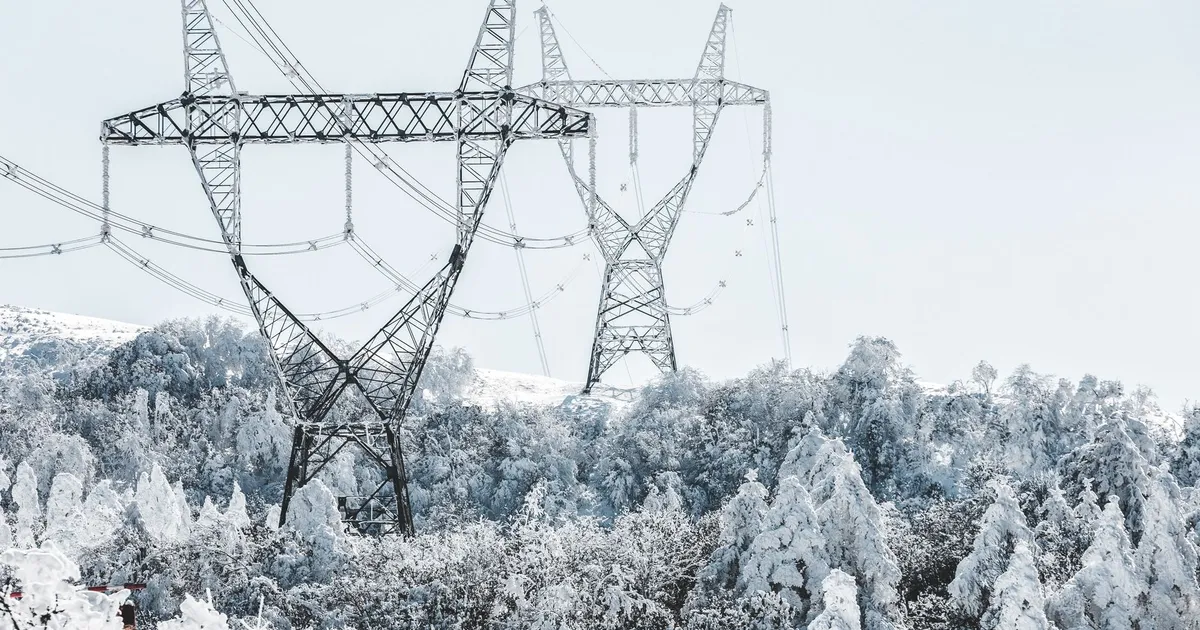
Transpower has issued Customer Advice Notices to generators warning of potential shortfalls on Wednesday morning and evening and Thursday morning as a cold snap drives what the system operator forecasts will be record demand. Transpower executive general manager operations Chantelle Bramley told RNZ on 5 August 2026 that the industry “has responded as anticipated to resolve potential low residuals across the peak morning and evening periods on Wednesday.”
She called the notices “part of our standard operating process” and said no consumer impact was expected. Fair enough. But a CAN is not nothing. Transpower issues one when national residual generation falls below 200MW, meaning the buffer between what the country can generate and what it wants to use has shrunk to a level that demands immediate generator action. That is a system operating close to the edge of its comfortable range, triggered by nothing more exotic than a cold week in August.
Last month’s record shows what it actually takes
This week follows a record-breaking demand event in late July 2026 when the grid hit an all-time peak of 7141 megawatts, the highest figure ever recorded in New Zealand. What it took to meet that record is the real story.
Spot prices climbed above $5000 per megawatt hour during the tightest periods, roughly 40 times normal. Genesis Energy fired up two of its three coal-burning Rankine units at Huntly. Contact Energy’s 155MW Whirinaki diesel peaker near Napier was called on for both the morning and evening peaks. Hydro and geothermal ran close to flat out. In other words, the country met its record demand by burning coal and diesel and paying eye-watering prices to do it.
The gas the system decided not to keep
New Zealand’s renewable credentials are genuine. Renewables hit a record 96.4% of generation in the December 2025 quarter, according to MBIE data. The flip side is that gas-fired generation fell 52% in the same quarter to its lowest level since 1980.
Some of that was a deliberate commercial call. Genesis put its largest gas turbine into hibernation until December and sold the gas it would have burned to industrial users, stripping a chunk of dispatchable thermal capacity out of the system heading into the coldest months. And thermal is not something you flick on. Units take 12 to 36 hours to come online from cold, which is precisely why Transpower issues its notices early and hopes generators respond.
Full lakes don’t fix a still, cold morning
Don’t be fooled by healthy hydro storage. MBIE’s March 2026 data showed national hydro storage at 107 to 112% of the historic mean. That is a real cushion against a dry-year energy shortage, but it does nothing for the peak-capacity problem. On a still, freezing morning when wind output is low and every heater in the country is running, the system needs generation that can respond within minutes. Hydro can ramp, but it cannot conjure capacity that isn’t there.
Demand is climbing, the backup stack isn’t
Here is the trend line that should worry any energy-intensive operator. National electricity consumption grew 6.5% in the December 2025 quarter, with agricultural demand up 14.2%. Electrification is doing exactly what policy wanted it to do. But the firming and peaking capacity that keeps the lights on at the worst moment is not keeping pace, and business groups have long argued the market structure is part of the reason. In earlier commentary, Auckland Business Chamber leaders and the Northern Infrastructure Forum pushed for operational separation of the four gentailers that control the bulk of generation and back-up supply, and for mechanisms letting independent renewable projects access firming.
For manufacturers, cold-store operators, data centres and large retailers, this week is a live lesson. The system reaches the edge of its range during predictable winter weather, not a drought and not a black swan, just a cold snap. When it does, wholesale prices can spike 40-fold. The CAN notices this week are routine. The coal at Huntly and the diesel at Napier last month were routine. At some point routine stops being reassurance and starts looking like a pattern, and the businesses paying the spot price will notice long before the policymakers do.
Sources
- Transpower expecting record electricity demand in cold snap (2026-08-05)
- New Zealand power demand hits an all-time record of 7141 megawatts (2026-07)
- Transpower warns of peak power demand amid icy blast
- Icy blast puts pressure on power supply
- Have courage, business leaders tell politicians over energy reforms