

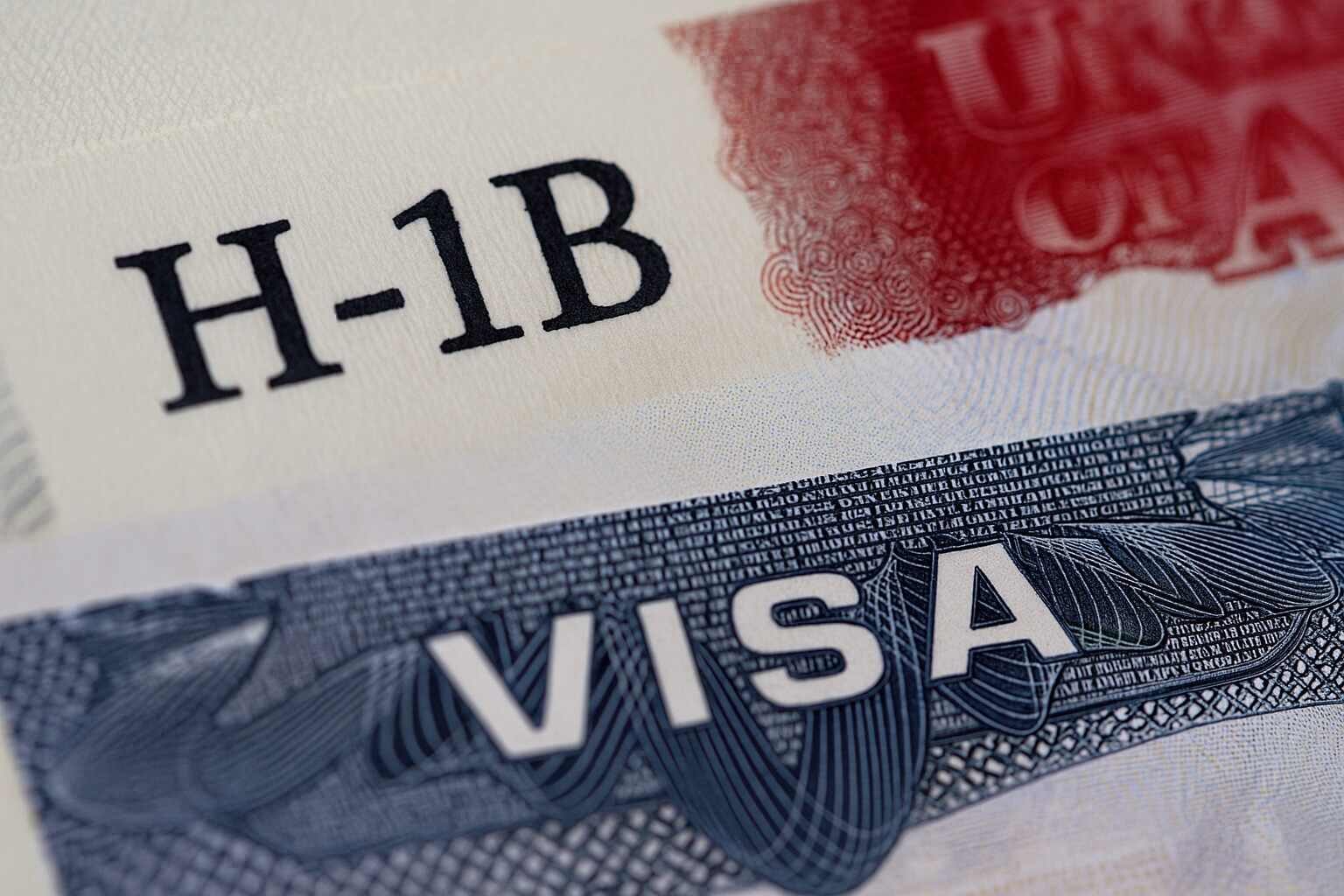
The White House’s plan to impose a $100,000 fee on H-1B visa applications risks severely disrupting the U.S. startup sector, according to founders and venture capitalists. This cost hike could strain early-stage companies that rely heavily on skilled foreign talent to grow.
H-1B visas allow firms to temporarily employ foreign professionals in specialised fields like technology and healthcare. Securing these visas has always been competitive due to strict caps, making them vital for startups seeking top talent. The new fee, however, may put this resource beyond the reach of many young companies.
Desmond Lim, CEO of recruitment platform Workstream, revealed last year all his firm’s H-1B petitions were rejected, a setback given their need for skilled engineers. He emphasised the few successful hires in previous years were “life changing.” Lim said the new fee would be “impossible to justify” for startups, complicating recruitment efforts.
Legal tech firm Alma reported a 100-fold surge in enquiries after the announcement. CEO Aizada Marat explained smaller firms fear they cannot afford the fee alongside competitive salaries. Alma itself hires H-1B candidates and warned that limiting foreign talent could strain local supply, as startups depend on overseas professionals for an edge.
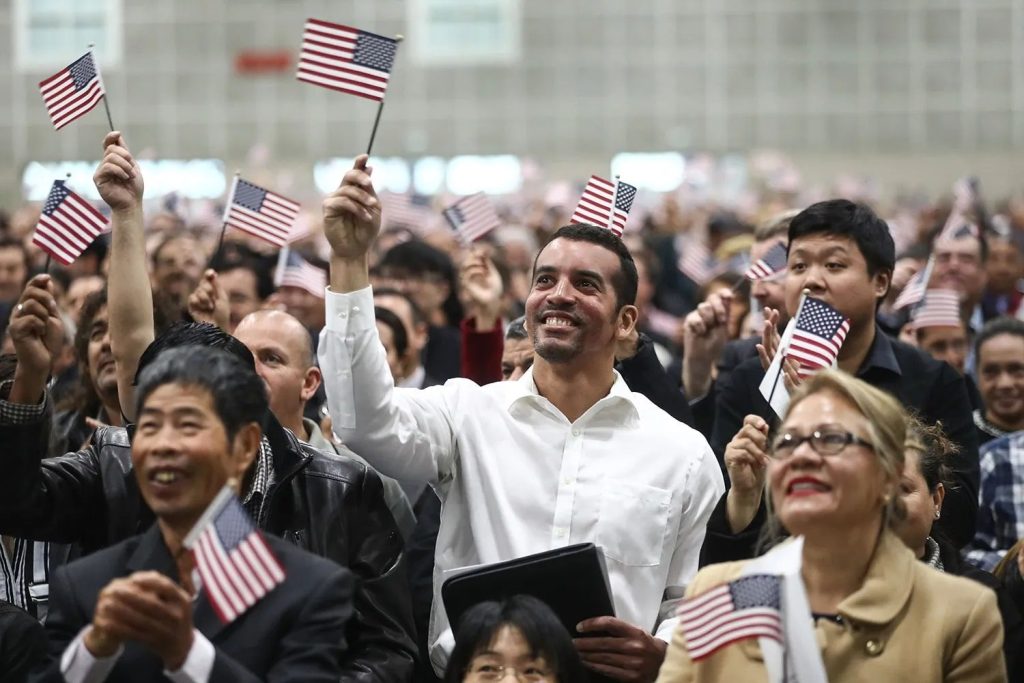
Experts agree early-stage companies will suffer most from the fee increase. Alexandria Lazarow of Fluent Ventures noted that while big firms can absorb costs, startups operate on thinner margins and need global talent to scale. Robert D. Atkinson of the Information Technology and Innovation Foundation added that foreign hires often prove essential for startups’ success and international growth.
Opponents argue H-1B visas reduce U.S. job opportunities, but studies show startups hiring through the programme are more likely to secure funding, innovate, and succeed. Manish Singh from Crossbridge Capital warned the fee could deter investment and push talent abroad, benefiting markets like the U.K., Canada and Europe instead.
Europe has faced “brain drain” as skilled workers migrate to the U.S., but Laura Willming of Octopus Ventures believes immigration uncertainties could reverse this trend. Talented professionals who once favoured the U.S. are now seriously considering building careers in the U.K. and Europe.
The U.S. risks losing its competitive edge in attracting top global talent, while Europe stands ready to capitalise on this shift.