

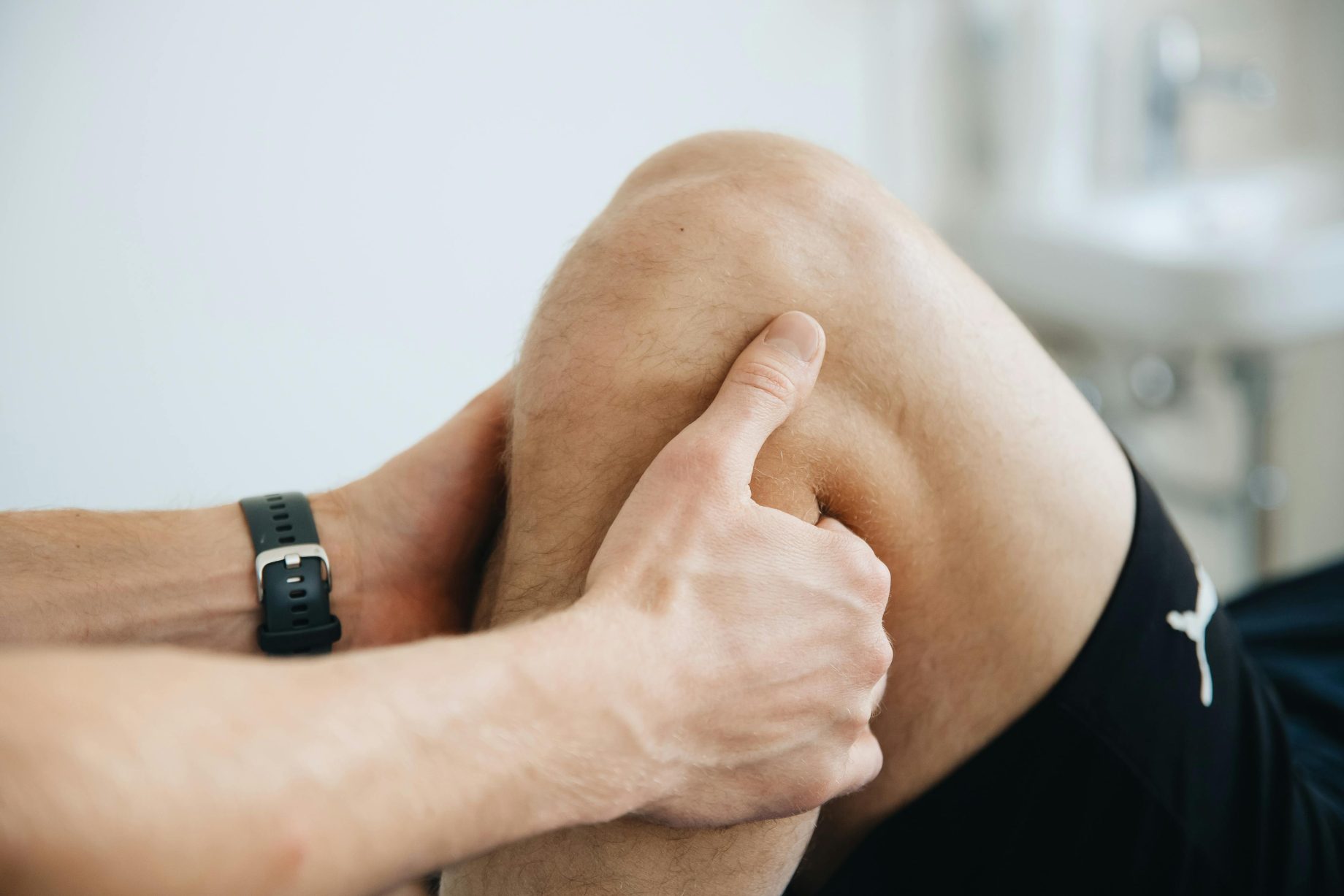
Revenue growth in New Zealand’s physiotherapy sector is being underwritten by repeat utilisation rather than one-off patient visits.
IBISWorld estimates that “New Zealand’s physiotherapy services industry has grown to an estimated $648.2 million in 2025,” “expanding at a compound annual growth rate of 6.9% over the past five years.” The trend highlights how rehabilitation services linked to sport and injury management are generating predictable demand across clinic networks.
According to IBISWorld, “The growth reflects increasing demand for specialised musculoskeletal treatments.
”Within this shift, “sports physiotherapy emerging as a particularly dynamic segment” “as both recreational and competitive athletes seek professional guidance on injury prevention and recovery.” Clinics report higher caseloads associated with repeat injuries and training load management rather than isolated treatment episodes.
“Among the therapeutic techniques gaining prominence is dry needling,” “a treatment approach that targets muscular trigger points to relieve pain and improve range of motion.”
Practitioners describe it as “offering an effective complement to traditional hands-on therapy and exercise-based rehabilitation programmes,” typically integrated into broader treatment plans rather than used as a standalone intervention.
High-participation sports continue to shape clinic workloads. “The running community represents a significant patient demographic for sports physiotherapy clinics,” creating “steady demand for gait analysis, injury assessment, and preventative screening services.” Clinicians increasingly work to “identify biomechanical issues that may predispose them to common conditions,” reinforcing that “This proactive approach aligns with broader industry trends towards injury prevention rather than solely reactive treatment.”
Regionally, “Christchurch-based clinics have positioned themselves to serve Canterbury’s active population,” “offering extended appointment times that allow for comprehensive assessment and individualised treatment planning.” Across the sector, “practitioners increasingly function as partners in long-term athletic development rather than providers of episodic care.