

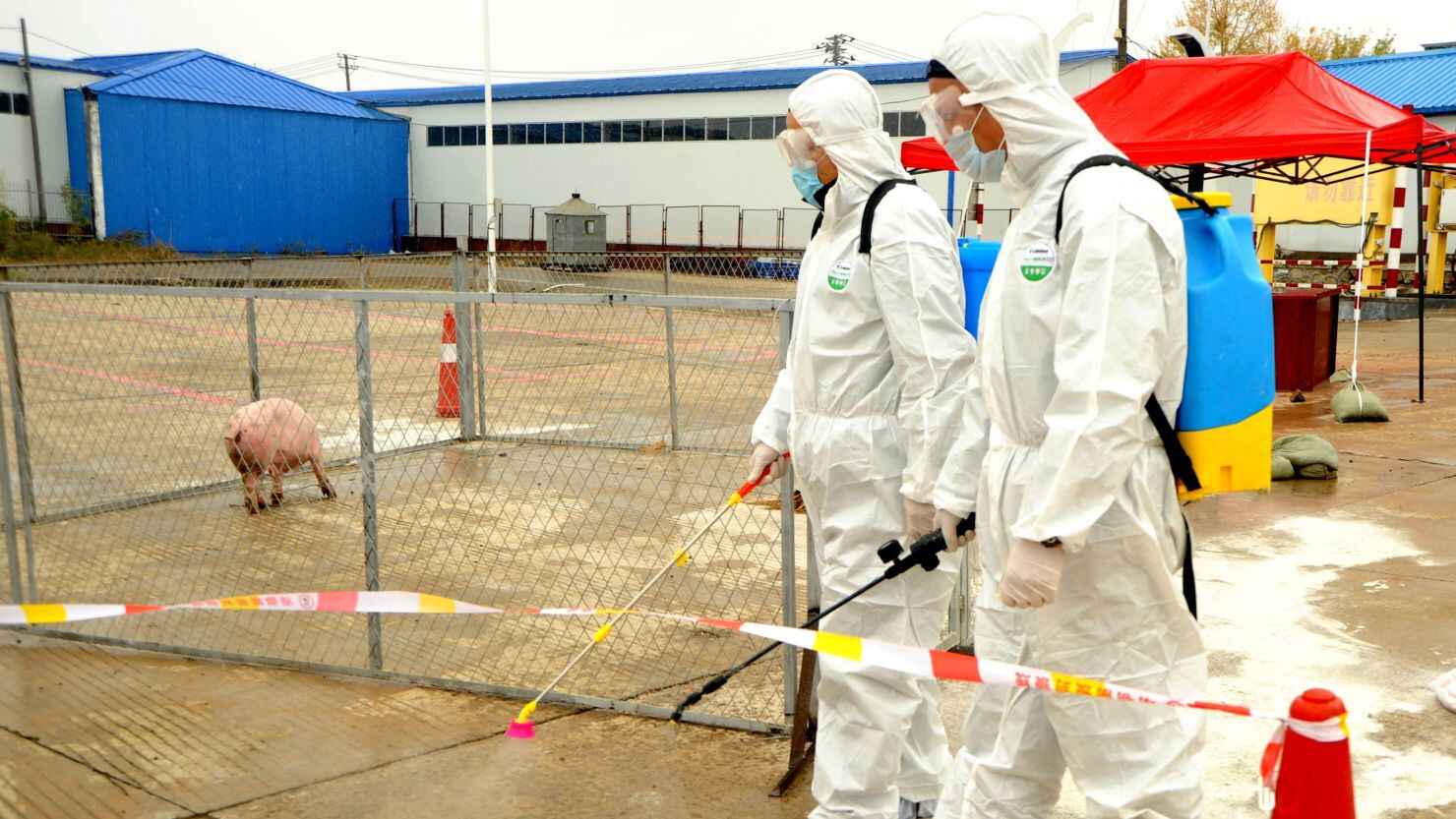
Spain’s €25 billion pork industry, Europe’s biggest and a cornerstone of agricultural exports, confronts a dire challenge from African swine fever (ASF).
The virus, deadly to pigs and wild boars but harmless to humans, surfaced in late November 2025 with an infected boar carcass discovered in Collserola Natural Park near Barcelona. Swift action confined it to north-eastern Catalonia, yet the economic toll mounts as key markets like the U.S., Japan, Brazil, Mexico and South Africa impose total import bans, while the UK, China and EU states restrict high-risk zone products.
Catalonia’s exports tumbled 17% in January 2026, with losses surpassing €600 million industry-wide, according to farmers’ group Unión de Uniones; full recovery requires a disease-free year post-eradication.
On his remote Lleida farm housing 8,000 pigs, fourth-generation producer Jordi Saltiveri felt the shock acutely. “I felt sad, angry, impotent,” he says. “Once it’s known that a country is positive for ASF, other countries will stop importing its pork.”
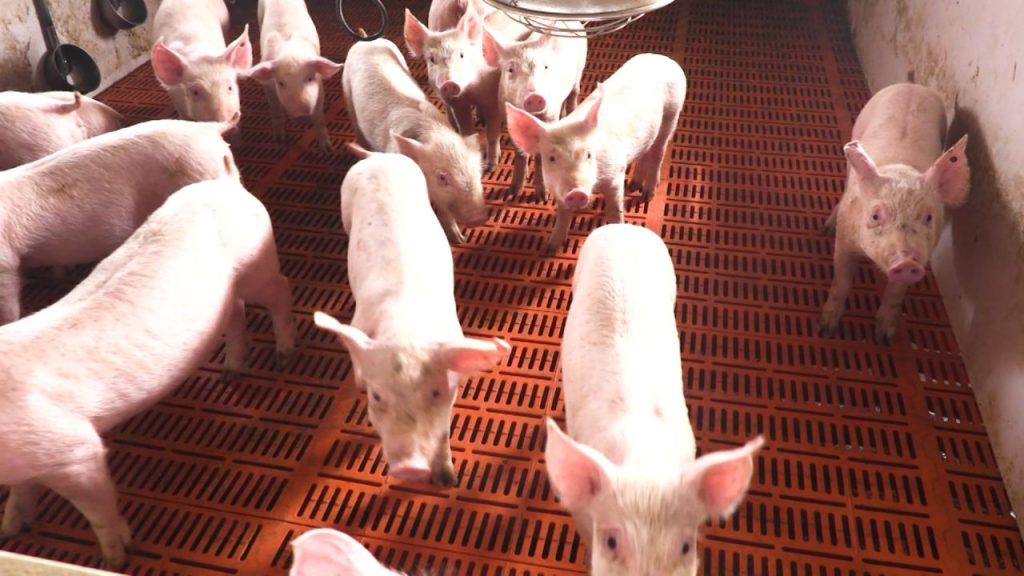
Slaughter values have dipped €30-€40 per animal, squeezing margins rebuilt since Spain’s last outbreak in the 1990s. “Each pig we sell for slaughter has lost about €30 to €40 of its value compared to before the outbreak,” he adds. “I’m worried because we’re suffering big losses.” As head of Catalonia’s co-operative federation, Saltiveri lauds decades-old biosecurity measures shielding farms.
Wild boars—120,000-180,000 strong regionally—fuel the spread, invading suburbs and heightening road risks. “Being too permissive with wild animals has led to an overpopulation of rabbits, deer and wild boar,” notes regional agriculture minister Òscar Ordeig, who links them to surging accidents and illnesses in BBC remarks. Culls have felled 24,000 boars by March, nearing 30,000 now, via drones, traps and rifles in priority zones; 232 positives confirmed, none on farms.
Critics like benchmark market Mercolleida decry slow progress. “Farmers across Spain are now paying the cost of ASF. Spain must not be allowed to turn into Germany.” Ordeig vows total commitment. “We have to use all the resources available to defend our industry, our economy, our farming sector and farmers. There is a lot at stake here.”
Barcelona’s Sants market reflects calm. “I fully trust the safety measures that have been taken with this, they have controlled it very well,” says shopper Lupe López. “I feel quite calm about it.”
Butcher José Rodríguez sees steady prices amid inflation woes. “Right now, sales aren’t great, but that’s not to do with swine fever, it’s because of other factors. We eat the whole pig, from the head to the tail.”