

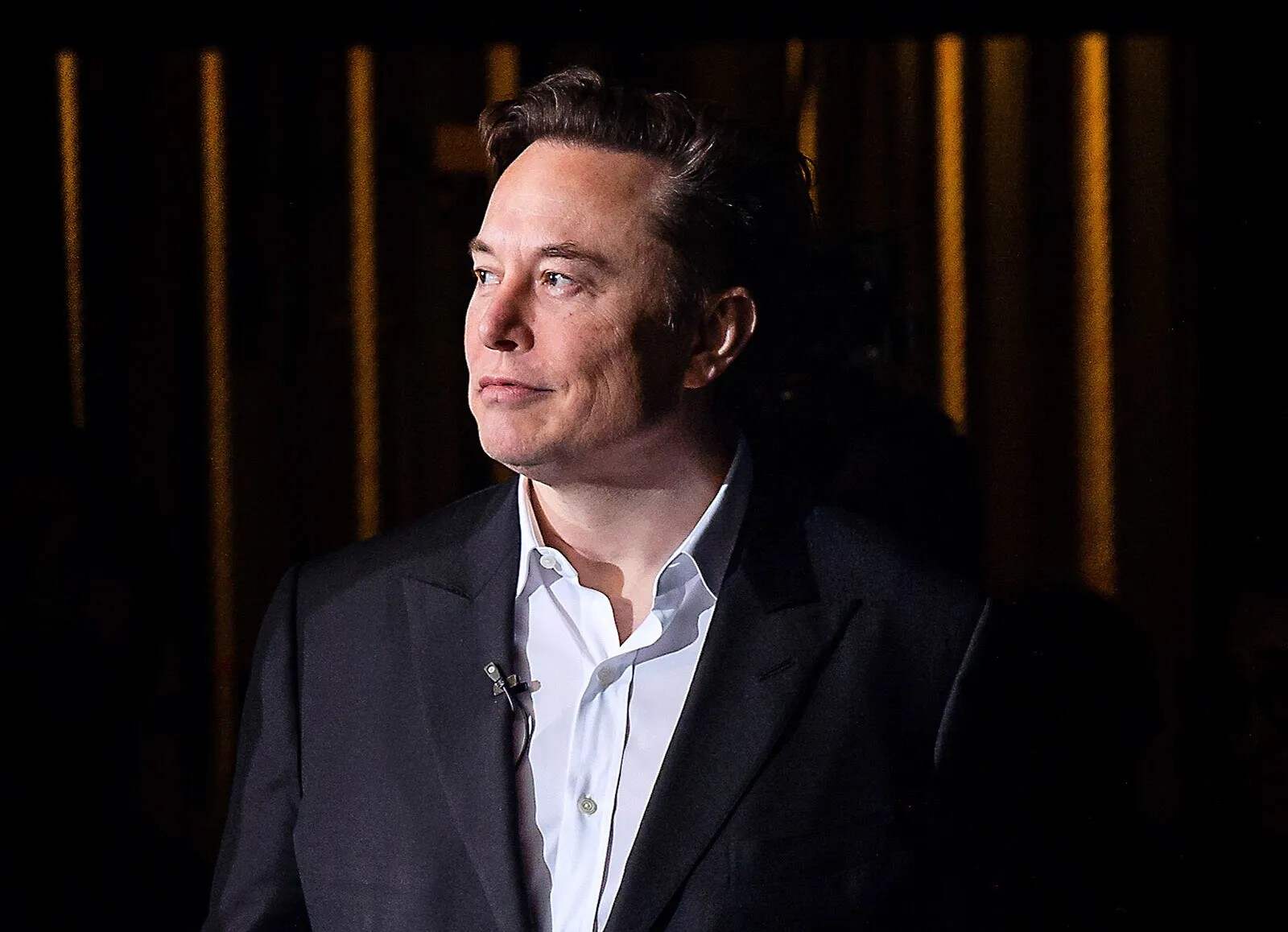
Elon Musk has become the first person to reach trillionaire status after SpaceX’s blockbuster stock market debut sent the rocket company’s valuation soaring and added hundreds of billions of dollars to his paper fortune.
Shares in SpaceX began trading on the Nasdaq on Friday in the biggest initial public offering on record, drawing heavy demand from investors eager to buy into Musk’s ambitions across space travel, satellite internet, and artificial intelligence. The company priced its shares at $135, but trading opened at $150 and briefly climbed to $176.50 before closing at about $161.
The first-day surge valued SpaceX at around $2.2 trillion and lifted Musk’s estimated net worth to $1.11 trillion, according to Bloomberg’s rich list. Much of that wealth is tied to his 42% stake in SpaceX, as well as holdings and options in Tesla, meaning the milestone is largely based on share values rather than cash.
SpaceX raised $75 billion from the offering, money it says will support its expansion in reusable rockets, Starlink satellites, AI infrastructure, and longer-term plans linked to lunar and Mars missions. The listing is also expected to have made millionaires of thousands of current and former employees who received company stock as part of their pay.
Investor enthusiasm remains striking given that SpaceX is still loss-making. Its filings show losses of more than $9 billion across 2025 and 2026 so far, largely because of heavy spending on artificial intelligence, satellites, and infrastructure.
Nancy Tengler, who heads Laffer Tengler Investments and placed an order for shares, described the AI business as a “cash incinerator.”
“It’s important to take some of the projections with a grain of salt,” Tengler said.
The milestone has also revived debate over wealth inequality and Musk’s political influence. Democratic U.S. senators Bernie Sanders and Elizabeth Warren criticised the development, with Warren saying it should be a “wake up call” for wealth taxes.
SpaceX’s own prospectus acknowledges the uncertainty behind its most ambitious plans, including what it calls a “lunar economy.” For investors, the question now is whether the company can turn its extraordinary market debut into durable earnings.
“The question on SpaceX is less about the immediate trading after IPO,” said Samel Kerr, who leads equity capital markets research for Mergermarket. “It’s more about how the price holds over the longer term.”