


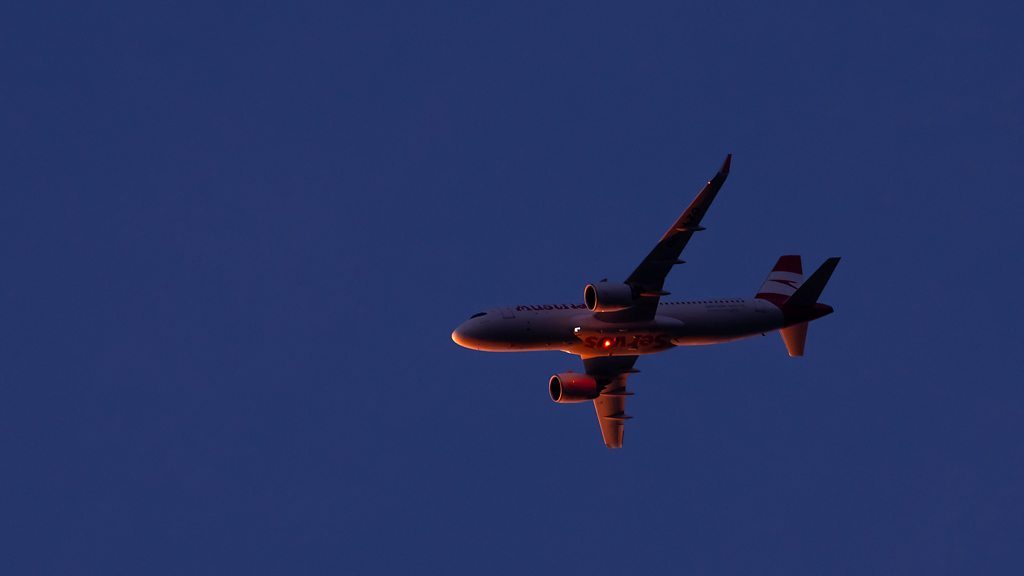
A recent incident involving an Airbus A320 has led to the temporary global grounding of thousands of Airbus single-aisle aircraft due to a critical software vulnerability triggered by intense solar radiation.
The problem surfaced when a JetBlue flight experienced a sudden uncommanded drop in altitude caused by corrupted data in the aircraft’s Elevator Aileron Computer (ELAC), which controls essential flight movements. This incident prompted safety regulators, including the European Union Aviation Safety Agency (EASA), to mandate immediate action.
Around 6,000 A320-family planes were affected, requiring most to have their flight control software downgraded to a safer version, while some older planes need hardware replacement.
The fixes typically take a few hours per aircraft, causing operational disruptions globally, including flight cancellations and delays, particularly during peak travel seasons.
Airlines such as EasyJet, British Airways, American Airlines, and Jetstar faced varying degrees of disruption but have been working swiftly to complete updates and resume flights.
The event displays the vulnerability of modern fly-by-wire avionics systems to solar flares, which can induce electromagnetic interference at typical cruising altitudes. Given the current active solar cycle, aviation experts emphasise the importance of radiation-hardened avionics and improved space weather monitoring to safeguard flight safety in the future.
Despite the disruption, Airbus and regulators prioritise safety, with most planes returning to service after software updates, while others remain grounded pending hardware replacements.
Passengers are advised to stay informed of the status of their flights amid this ongoing precautionary response.