

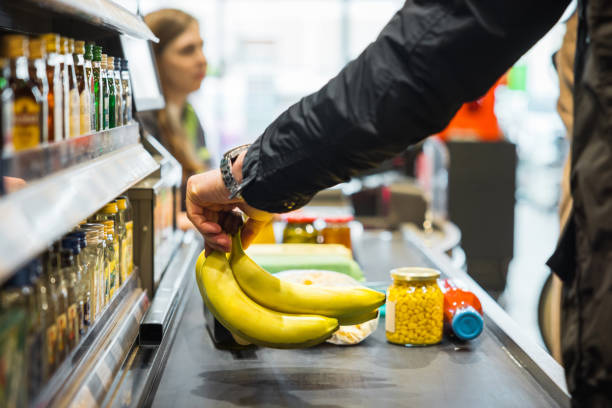
Shoppers should prepare for steeper prices at checkout, as Middle East tensions push up freight and fuel costs.
According to Infometrics’ latest data, supplier costs climbed 2.3% in February from the previous year.
Brad Olsen, chief executive and principal economist at Infometrics, noted that the increase reflects an average, with household staples like bread and chocolate seeing sharper rises than other commodities.
He said that while the data does not yet account for the Iran war’s impact, he expects it to affect food prices within the next three months.
Olsen noted that the transport sector is reacting to higher fuel prices, with operators raising their rates in response. This would affect supermarkets.
“In terms of the broader supermarket sector in New Zealand, 10% of non-wage input costs come directly from transport, so it’s a fairly big line item that starts to hit there.”
Other producers are expected to consider price hikes now, balancing the need to protect margins against sustaining sales volumes.
“I think there will be a little bit of caution in some areas around pushing prices on.”
“For the likes of transport costs specifically, we’ve had a look, and margins do look a lot thinner now over the last couple of years, so we do expect a more immediate pass-through,” Olsen explained.
He noted that businesses would likely react differently to the uncertainty over the war’s duration.
“Businesses are also thinking… ‘Do I wait it out? Might things stabilise and calm down within the next week or so?’ … Reality suggests that that’s probably further away.”
“They are probably wondering how much do they… take on themselves in the short term and then potentially have to raise prices, or again, do they try and push things through because they’re under a lot of pressure?”
Olsen anticipates supplier costs will climb further, impacting some items more severely than others.
“It’s more likely that it will come through on specific items that do take more to transport or do take more fuel into account in their production process.
“It will be uneven,” he said. “But we’re certainly not expecting to see a double-digit increase, but the pressure would be on.”