

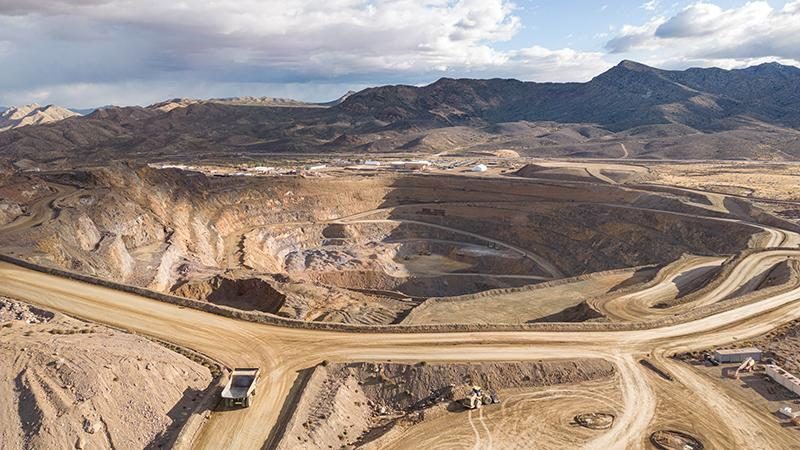
Australia’s critical minerals sector surged on Tuesday after a landmark $8.5 billion agreement with the United States aimed at strengthening supply chains for rare earths and essential metals.
The deal, signed on Monday by President Donald Trump and Prime Minister Anthony Albanese, involves joint investments in mining, processing, and refining key materials vital for defence manufacturing and clean energy technologies.
Shares in Australia’s largest rare earth producer, Lynas Rare Earths, rose by 4.7%, while mineral sands company Iluka Resources advanced more than 9%, reflecting market confidence.
Lithium miner Pilbara Minerals gained close to 5%, benefiting from the global demand for battery components. Smaller rare earth miners recorded significant growth, with VHM soaring nearly 30% and Northern Minerals climbing over 16%. Latrobe Magnesium, Australia’s primary magnesium producer, surged almost 47%.
Alcoa, listed on the New York Stock Exchange and through depositary receipts on the Australian Securities Exchange, was highlighted as a priority project partner. Its Western Australian project focuses on extracting and refining gallium, a critical metal with strategic importance. The U.S. government plans to take an equity stake in the venture, prompting Alcoa’s shares to rise by nearly 10%.
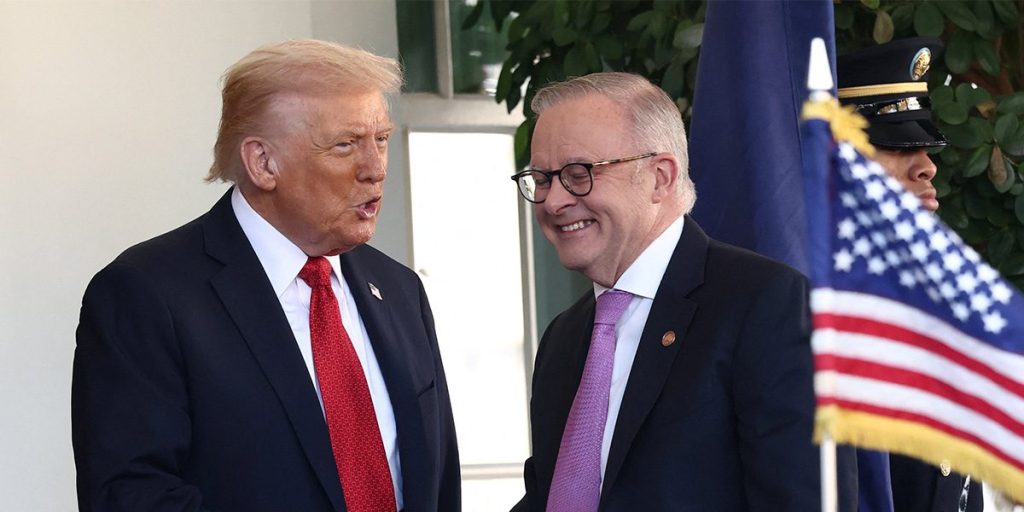
The White House clarified that the agreement serves as a framework, with a combined investment exceeding $3 billion over six months for critical mineral projects. The Export-Import Bank of the United States will issue letters of interest totalling more than $2.2 billion, potentially mobilising up to $5 billion in overall investment.
Rare earth elements and critical metals are indispensable to advanced technologies such as electric vehicles, semiconductors, and defence systems. China’s dominant position in these resources, alongside tightened export controls amid trade tensions, has intensified global efforts to diversify supply chains.
Prime Minister Albanese announced that both countries will each contribute $1 billion towards projects “immediately available,” underscoring the urgency to enhance supply security.
Industry analysts predict this bilateral initiative could stimulate further international partnerships to secure critical material supplies amid evolving geopolitical dynamics.