

A familiar detour, a familiar problem
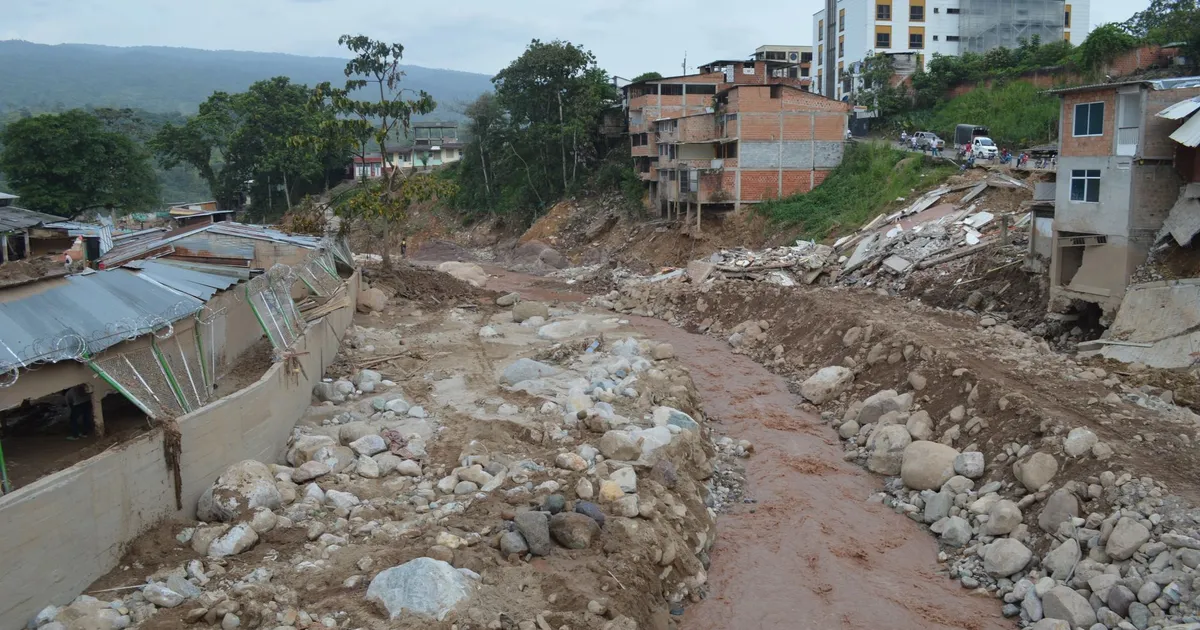
State Highway 1 between Cheviot and Kaikoura has been closed since severe flooding hit earlier this week, and NZTA is now saying Tuesday 14 July is the earliest realistic reopening date, weather permitting and subject to geotechnical engineers clearing a fresh slip that came down on Saturday. At the worst point, almost half of the two-lane road washed out, forcing crews to truck in large quantities of rock to rebuild sections eaten away by high river levels.
With the Inland Kaikoura Road also closed, the only route between Cheviot and Kaikoura is a lengthy detour via State Highways 7, 65, 6 and 63. If that combination sounds familiar, it should. It is the same detour that has been rolled out every time this corridor breaks. The road gets repaired to the same standard and the network is left exactly as fragile as it was before.
The bill lands on business first
For freight operators on the Canterbury-Marlborough corridor, every closed day means higher fuel costs, longer driver hours and tighter delivery windows. For exporters moving perishable produce, aquaculture and Kaikoura crayfish, the detour is not an inconvenience, it is a compounding cost that eats margin fast.
Tourism takes the hit even more directly. Kaikoura businesses reported roughly 60% cancellations after the flooding, with the Top 10 Holiday Park evacuated and Matariki events scrapped. Kaikoura Dark Sky Trust coordinator Colette Doughty said “the Matariki train can’t come up because the tracks aren’t open and the ground is sodden, so there’s nowhere we can safely have people out at night.” During a school holiday long weekend, that is revenue lost, not deferred.
The disruption is not confined to one road either. Snow and ice closed SH8 from Fairlie to Twizel, SH87 and SH85 in the Mackenzie country, with the basin forecast to hit -10 degrees Celsius. When the weather turns, South Island freight quickly becomes a matter of guesswork.
The numbers behind the fragility
Here is the structural problem. New Zealand moves almost everything by truck. Official NZTA data shows road freight accounted for 87.79% of combined road and rail tonne-kilometres in 2024-25, carrying 24,257 million tonne-km against rail’s 3,373 million.
Worse for resilience, rail’s share has been shrinking. Rail freight fell from 4,520 million tonne-km in 2018-19 to 3,373 million in 2024-25, a drop of more than 25% in six years. Road volumes eased too, but road’s dominance actually grew because rail contracted faster. The redundancy that would let freight reroute when a highway fails is quietly disappearing, not building.
On this corridor that matters acutely. When SH1 closes there is no coastal shipping fallback and no spare rail capacity, so everything piles onto the same thin alternatives that have existed for decades.
Ten years on, still exposed
The November 2016 Kaikoura earthquake tore up SH1 and the Picton-Christchurch rail line, isolating the town for months and triggering one of the country’s biggest infrastructure rebuilds. Nearly a decade on, the corridor is rebuilt but plainly not future-proofed. Local landowner Nicky McArthur, who runs Puhi Peaks Station, put it bluntly, saying “it might be 10 years since the earthquake, but we are still dealing with earthquake damage. Puhi Puhi Rd is a mess, as are rural roads all over the district.”
NZTA’s Peter Brown, the agency’s maintenance and operations regional manager, acknowledged the timing hurt, noting “people will be travelling around the South Island to connect with family and friends, or experience some of the snow that’s fallen in the last few days.”
The question worth asking
The 2016 earthquake was a once-in-a-generation event. Flooding is not. It will happen again, probably within a few years, and the response will look identical unless something changes in how this corridor is planned and funded. Reopening on Tuesday is genuinely good news for Kaikoura businesses staring down cancelled bookings. But if the answer to every closure remains the detour via SH7, 65, 6 and 63, and if rail keeps sliding as the only real alternative, then the network has not become more resilient. It has simply been repaired back to the same level of fragility, ready for the next storm to expose it all over again.
Sources
- Stuff: NZTA hopeful flood-damaged section of SH1 could reopen next week (2026-07-11)
- NZ Herald: New slip adds setback to reopening SH1 between Cheviot and Kaikoura after severe flooding (2026-07-10)
- Scoop: SH1 closure likely until early next week (2026-07-09)
- 1News: ‘Devastating’ flood event latest setback for Kaikoura road networks (2026-07-10)
- NZTA: OIA-20559 Road and rail freight statistics 2017-18 to 2024-25 (2025-06-30)