

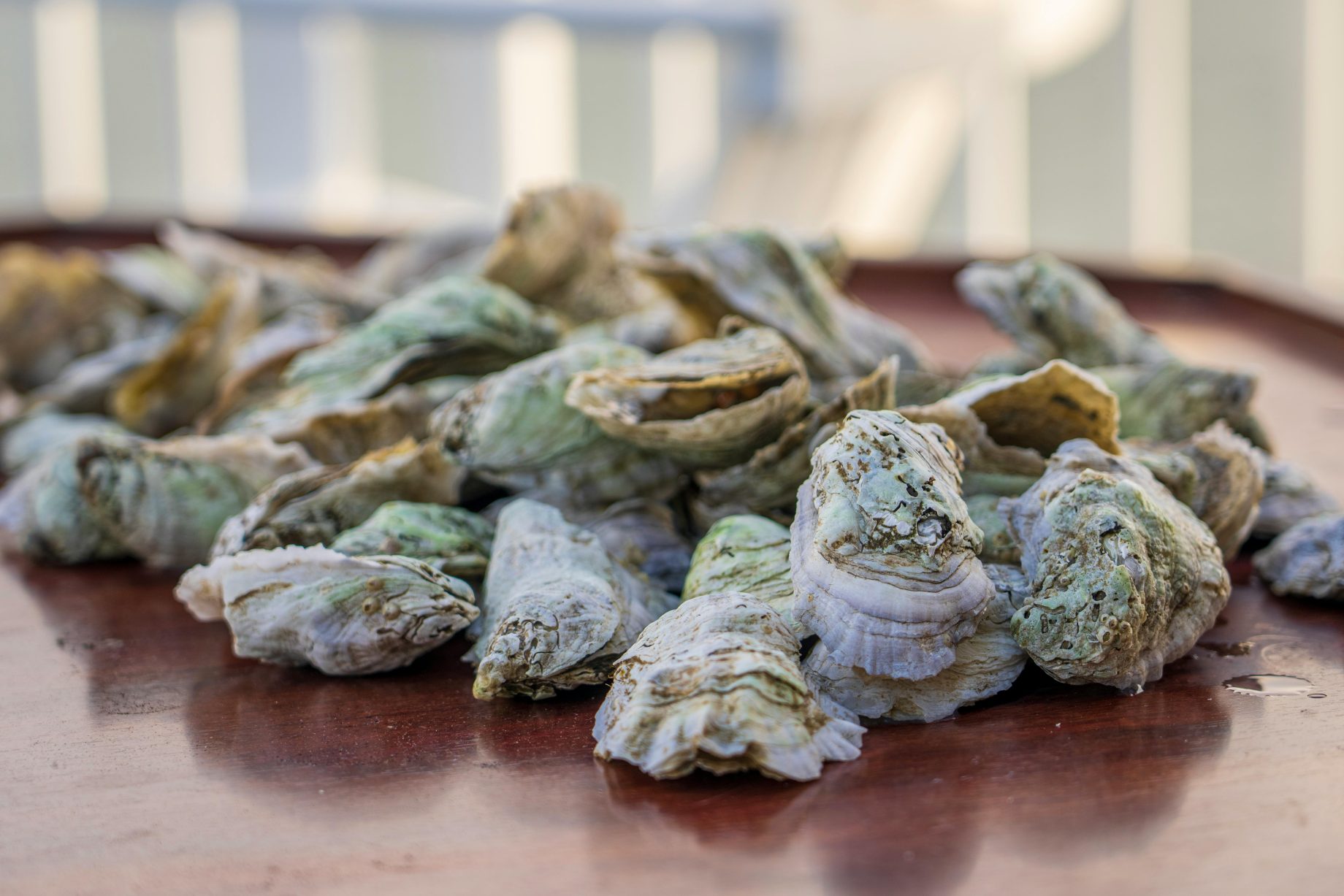
10 marine farms in the north of Auckland have spent seven years fighting Watercare to prevent sewage overflows into the Mahurangi Harbour, which have contaminated their oyster crops.
These farms are now urgently calling on the government to intervene and provide support.
One farmer was forced to shut down their business, while many others might not make it through the year.
For Minister for Oceans and Fisheries Shane Jones, Watercare had neglected their statutory duty of care towards the Mahurangi oyster farmers.
“They are solely responsible for the collapse of the infrastructure that has ruined the businesses of the Mahurangi oyster farmers,” he said.
Jones expressed his surprise at the company for not taking responsibility and providing financial support to the marine farmers “who, through no fault of their own, are now penalised because of the failure of Watercare.”
Jones said he was exploring what measures the government could use to influence Watercare.
“There are many areas where the Auckland City Council wants the assistance of the central government,” he said.
“The Auckland Council is in control of Watercare, and it seems extraordinary that we’re expected as central government to deliver positive outcomes for the Auckland City Council, yet one of their organisations is driving local marine farmers to penury and offering no assistance, no relief whatsoever.”
“Watercare is a well-heeled organisation; they’re not short of capital. What they’re short of, though, is corporate responsibility, and obviously, they don’t place any importance on the maintenance of a social licence to continue to operate.”
“They know, and they’ve known for a long time, about how weak the piping system is around Mahurangi.”
“They’ve chosen to find every excuse in the world to delay fixing it up, and now the oyster farmers are the casualties of this corporate delinquency.”
The affected farmers said a pipe network was initially planned for an upgrade in 2021, but this never took place.
Watercare chief executive Jamie Sinclair said that while they need to construct a new wastewater treatment plant and pump station, they plan to implement a temporary fix by September.
“The first part is expediting what I’d call an interim solution, which is an over-pumping solution, which will be in place by the end of August, which will reduce those overflows by about 50%,” Sinclair said.
“That’s not the end solution; there will still be overflows. For the final outcome, we have reorganised our programme – the previous timeline was 2028 – we are now looking to have the outcome, an almost full reduction in overflows, by the end of 2026.”
“So I know that that’s still time. There’s still pressure today on the oyster farmers and their businesses, but our priority is to fix this issue as quickly as possible.”
Sinclair expressed sympathy for the affected farmers, their families, and livelihoods but declined to comment on whether the farmers could pursue legal action against Watercare for lost business.
The problem of wastewater overflowing into the Mahurangi Harbour, involving farmers and Watercare, has been ongoing since 2018.