

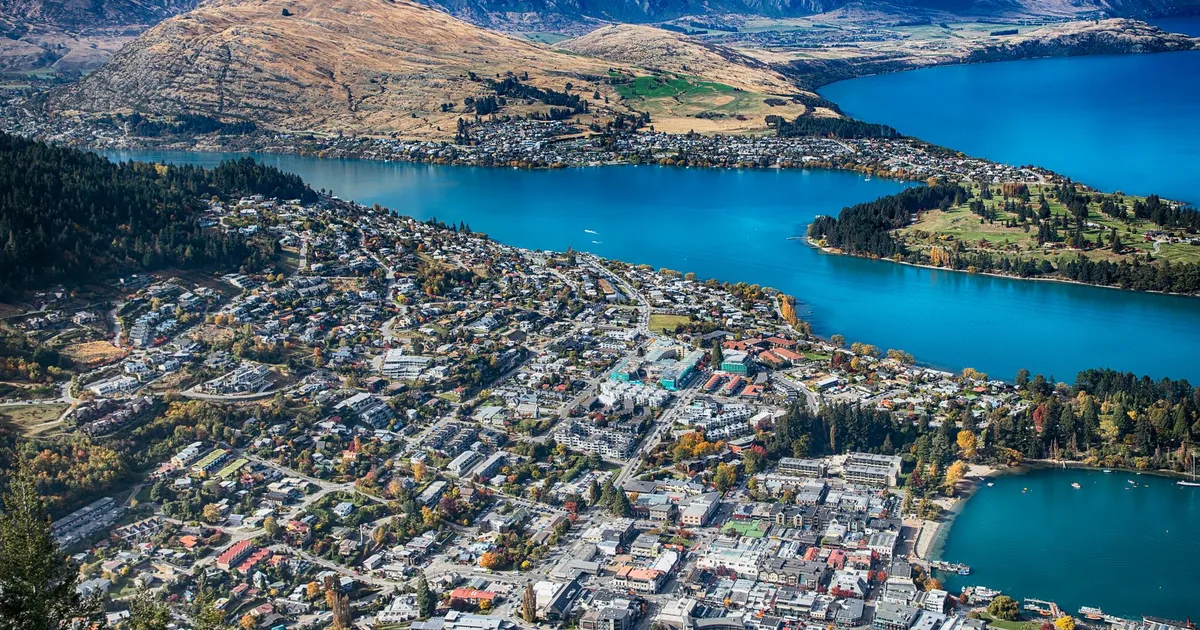
Otago is now the most expensive place to rent in New Zealand. The median weekly rent there jumped nearly 8% in a single month to $700 in August, according to Trade Me’s latest index, putting it ahead of Auckland and Bay of Plenty, both sitting at $660.
Most coverage will treat this as a leaderboard change. The more useful reading for business is that housing costs in the regions where employers most need workers are rising faster than anywhere else. When rent climbs, part of every pay rise you offer to attract staff goes straight to a landlord.
The rental lull is over
For 18 months, flat or falling rents gave employers some quiet relief. Softer housing costs took pressure off wage demands at a time when most firms had no room to pay more. That period has now ended. The national median reached $625 in August, up $5 on a year earlier, the first annual increase since January 2025.
The national increase is small. The regional increases are not. Canterbury hit a record median of $600, which matches the government’s own forecast. HUD’s March quarter housing update identified Canterbury and Southland as likely hotspots, driven by dairy sector growth and internal migration. A strong rural economy is good news, but it is now pushing up rents in the same towns where farms and processors are trying to hire.
The top spot has changed hands all year
The title of priciest region has moved several times this year, and the details matter. In April, Trade Me had Bay of Plenty ahead of Auckland for a second consecutive month. Before that, realestate.co.nz data put the resort belt in a category of its own.
In January 2026, RNZ reported Central Otago Lakes District averaging $891 a week, more than $200 above Auckland. Realestate.co.nz spokesperson Vanessa Williams said at the time that the area “continues to sit in a league of its own”. By March 2026, Queenstown-Central Otago had passed $900, with Queenstown itself close to $1,000.
These figures are not comparable with the new $700 number. Trade Me’s “Otago” covers a much larger area and blends Dunedin with the resort towns. The August result does not mean Queenstown rents have fallen. It means the pressure has spread across the whole region.
The Auckland slowdown looks real. Rental bond data, which records actual signed tenancies rather than asking prices, put Auckland’s median at $650 in June.
Wages feed rents, and rents eat wages
This is the core problem for employers. In 2023, Reserve Bank research found that a 1% rise in nominal wages leads directly to a 1% rise in new-tenancy rents. The same research found that crowding pushes rents up by 1.5 times as much. Over nearly two decades, new-tenancy rents rose 83% against an 87% rise in hourly earnings. Nationally, rents have moved almost in step with pay.
In a town with limited housing supply and one dominant industry, that relationship works against employers. A tourism operator raises pay to fill rosters, competitors do the same, and landlords adjust their rents to match. The employer ends up with a higher wage bill and little lasting advantage in recruiting.
Queenstown Lakes Mayor John Glover described the outcome plainly in March 2026. “It’s a really hard place to stay, and people often move on and that’s not good for our economy,” he said. Every worker who leaves means another round of recruitment and training costs for the employer.
Why the headline number understates the problem
David Faulkner, general manager of property management at Property Brokers, argues that the headline rent figure alone is a poor guide. “A market experiencing flat rents may still offer a very different investment environment from one where rents are increasing but local earnings are keeping pace,” he says. The same applies to employers. Affordability depends on local pay, not national averages.
In 2025, The Property Knowledge’s regional report found renters were spending 46% of household income on average, with Gisborne above half. At those levels, even small rent increases lead directly to requests for higher pay.
What employers should plan for
The underlying cause is housing supply. Queenstown’s push for fast-track consents and build-to-rent housing is the right approach, but new supply takes years to arrive. Meanwhile, employers in Otago, Canterbury and Bay of Plenty should expect wage negotiations to include housing costs again.
Some will respond by providing staff accommodation, which is already common practice in the resort towns. Others will pay more. Firms that assumed the rental slowdown would last should revise their budgets now, before their best staff decide to leave.
Sources
- Stuff: Country’s priciest rent region that’s overtaken Auckland and BOP (2026-09-25)
- HUD: Housing market update – March Quarter 2026 (2026)
- Scoop: Rental shake-up, Bay of Plenty now priciest region as supply squeeze and global uncertainty mount (2026-04-24)
- RNZ: The most expensive place to rent in New Zealand is Central Otago Lakes District (2026-01-08)
- 1News: ‘Quite the jump’, rents hit record high in Queenstown-Central Otago (2026-03-10)
- Figure.NZ: Median weekly rent in New Zealand, rental bond data by territorial authority, June 2026 (2026-08-17)
- Property Brokers: Rental affordability in NZ, what the latest data reveals (2026-09-14)
- The Property Knowledge: The Regional Rental Report (2025-09)
Join the discussion
Add useful context, ask a good question, or challenge an idea — keep it specific and respectful.