

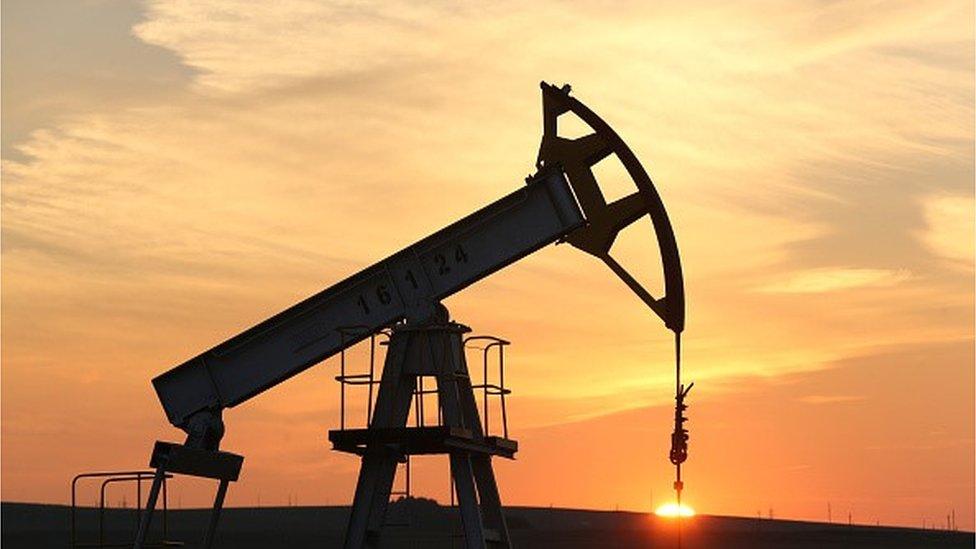
Asian markets have endured a third straight day of declines on Wednesday, gripped by fears over the escalating U.S.-Israel conflict with Iran, while Brent crude oil prices have ticked higher on supply disruption worries.
The Strait of Hormuz lies at the heart of the turmoil, a narrow passage between Iran and the United Arab Emirates through which about 20% of global oil and gas typically flows. Attacks on ships nearby have brought traffic almost to a halt following Tehran’s threats to “set fire” to vessels using the route, rattling energy traders and pushing prices up roughly 1% in early Asian sessions after two days of strong gains.
The International Energy Agency warns that a prolonged blockade could jolt oil benchmarks by 20-30%, reminiscent of earlier Gulf crises.
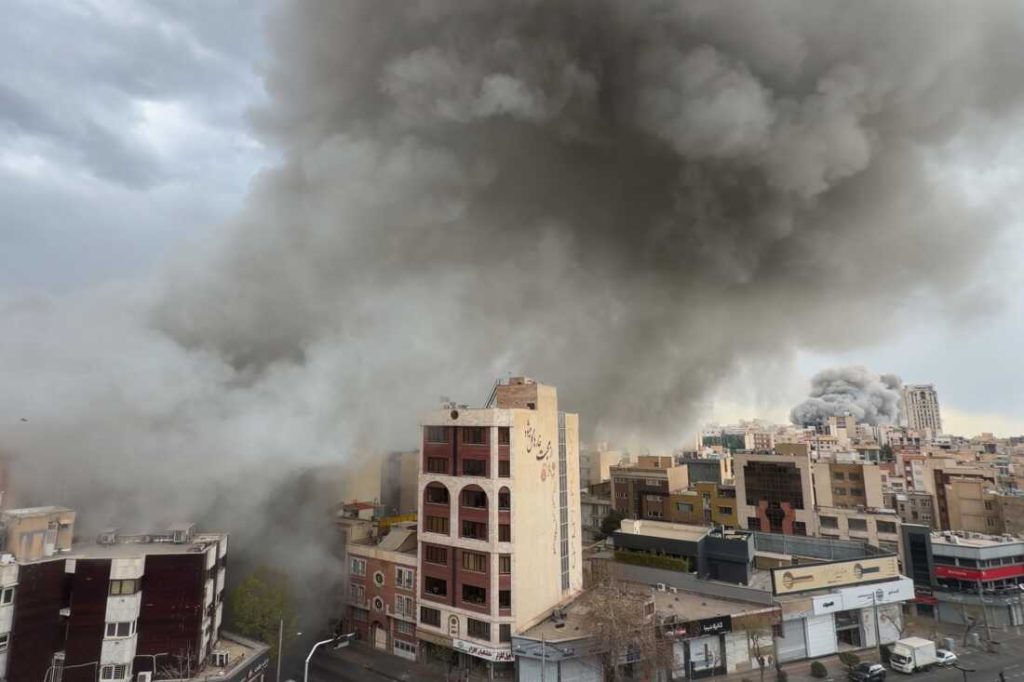
Nowhere was the pain more acute than in export-dependent economies. South Korea’s Kospi index plunged over 10%, activating the exchange’s circuit breaker—a 20-minute trading halt—for the first time since August 2024 to curb panic selling. Japan’s Nikkei 225 fell 4% and Hong Kong’s Hang Seng dropped 3%, as firms in electronics, cars and semiconductors grapple with soaring insurance costs and diverted shipments, according to Nomura analysts.
President Donald Trump sought to calm nerves on Tuesday, stating the U.S. Navy will protect ships in the region “if necessary.” U.S. Fifth Fleet patrols have ramped up with British and Saudi support, though Iranian counterstrikes via missiles and drones have crippled flights and tankers, with Flightradar24 logging a 70% plunge in regional air traffic.
Since weekend U.S.-Israeli strikes on Iranian targets, trillions have evaporated from world stocks, per S&P Dow Jones Indices, dragging down Europe’s STOXX 600 and U.S. futures too.
Bloomberg forecasters caution that extended Hormuz woes could stoke global inflation, squeezing households from Asia to Europe, even as Tokyo and Seoul hint at liquidity boosts. With Tehran unyielding, the fragility of trade links has rarely felt so exposed.