

A military trial with commercial consequences
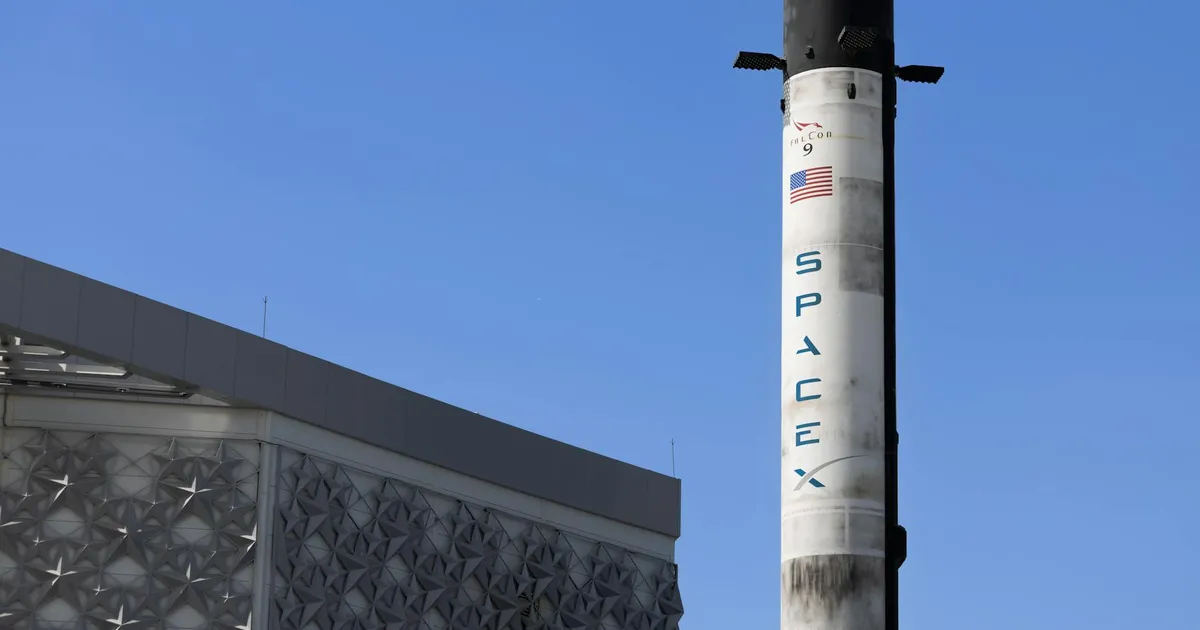
The New Zealand Defence Force is trialling Starshield, SpaceX’s government and defence satellite communications system. On the surface this looks like a routine capability upgrade. Look closer and it is a procurement signal that should matter to every technology firm in the country with ambitions beyond consumer software.
Starshield is not Starlink with a military paint job. SpaceX launched the product in late 2022 as a dedicated service for allied governments. It runs on the same low-Earth orbit constellation but with a government-controlled encryption layer, inter-satellite laser links optimised for secure relay, and an architecture that lets the contracting government hold the encryption keys. SpaceX itself cannot access the communications. That distinction is what makes it viable for Five Eyes interoperability, which is exactly where New Zealand’s defence strategy has been heading.
In 2023, the Defence Capability and Readiness Report laid out technology modernisation and Five Eyes interoperability as strategic priorities. The report was explicit that maintaining a technological edge and ensuring NZ systems could operate alongside allied forces were core goals. Starshield fits that framework precisely, delivering allied-standard secure communications without the cost of sovereign satellite development, which for a country of five million people would be absurdly expensive.
Ukraine rewrote the playbook
The global context for this trial traces directly to early 2022, when Ukraine’s military demonstrated that commercial low-Earth orbit satellite internet could survive Russian electronic warfare and infrastructure attacks. Starlink terminals became as essential as ammunition. That real-world demonstration changed procurement thinking in every allied military overnight.
Starshield is the institutional response. Every Five Eyes partner has been evaluating or adopting Starshield-adjacent capabilities since 2022. Australia and the UK moved first. New Zealand’s trial is late by comparison, but consistent with the pattern of a smaller ally following the lead of larger partners once the technology is proven and the interoperability requirements are clear.
For NZ defence planners, the appeal is obvious. Traditional geostationary military satellites cost billions and take years to deploy. Starshield offers comparable capability at dramatically lower cost per terminal, with global coverage density that legacy systems cannot match. When your defence budget sits well below the 2% of GDP NATO benchmark, cost-effective commercial solutions are not a nice-to-have. They are the only realistic path to maintaining capability.
The Musk problem nobody wants to name
There is an uncomfortable dependency embedded in this procurement decision. Starshield is operated by SpaceX, a private company controlled by Elon Musk. The government-controlled encryption architecture reduces but does not eliminate the risk of service disruption by the operator.
This is not a theoretical concern. Musk’s decision to restrict Starlink coverage during certain Ukrainian military operations in 2022 and 2023 demonstrated that commercial control of military-critical infrastructure creates real strategic risk. A New Zealand government relying on SpaceX for defence communications would need contractual and technical safeguards that go well beyond what a standard commercial agreement provides.
Defence planners will have weighed this. But for business audiences, the lesson is broader. Sovereign capability versus commercial dependency is becoming one of the defining tensions in technology procurement, not just for militaries but for any organisation handling sensitive data or critical infrastructure.
The supply chain window is open now
The bigger story for New Zealand business is not the trial itself but what it signals about where government procurement is heading. If the NZDF is willing to adopt commercial space infrastructure for strategic defence purposes, that creates a market for complementary capabilities that local firms can sell into.
The opportunity areas are concrete. Ground station infrastructure and network integration need local expertise. Cyber security overlays for satellite communications require specialist capability. Maintenance, complementary systems, and dual-use technology development all sit in the zone where New Zealand firms can compete.
The relevant precedent is Rocket Lab, a company with deep New Zealand roots that built a global space launch business partly on US government and defence contracts. The NZDF’s move into secure satellite infrastructure signals that the New Zealand government itself could become an anchor customer for space-adjacent technology.
But the window to enter a defence supply chain is early in the procurement cycle. Once contracts are signed and prime contractors locked in, the opportunities for smaller firms narrow sharply. Companies with relevant capabilities in communications, cyber, or aerospace need to be positioning now, not waiting for a tender notice.
What happens next matters more than the trial
The Starshield trial will likely proceed without much public drama. The real question is whether New Zealand treats this as a one-off hardware purchase or as the beginning of a strategic investment in space-adjacent defence capability that creates lasting commercial opportunities for local industry. The 2023 capability report pointed in the right direction. Whether procurement practice follows strategic intent is the test that matters.