

Forty-one per cent underwater
The numbers from Cotality’s Q1 2026 Pain and Gain report are difficult to dismiss. 41.1% of apartment resales nationally were made at a loss, compared with just 11.3% for standalone houses. Median losses on apartments hit $70,000, versus $50,000 for houses. In Auckland, nearly one in five resales recorded a loss, with a median of $77,000.
Cotality NZ Chief Property Economist Kelvin Davidson puts it plainly: “Apartments generally experienced less of the post-Covid boom than standalone houses, so they’ve had less of a buffer through the downturn.” He adds that “investors are generally more exposed to apartments and shorter-term market movements, so historically they tend to record losses a little more often than owner-occupiers.”
The national median resale gain has collapsed to $285,000, down from $440,000 in late 2021. Profitable resales now require a median hold period of 10 years, matching the longest on record. If you bought a townhouse in 2021, the market is telling you to sit tight until 2031.
Half-finished sites and empty listings
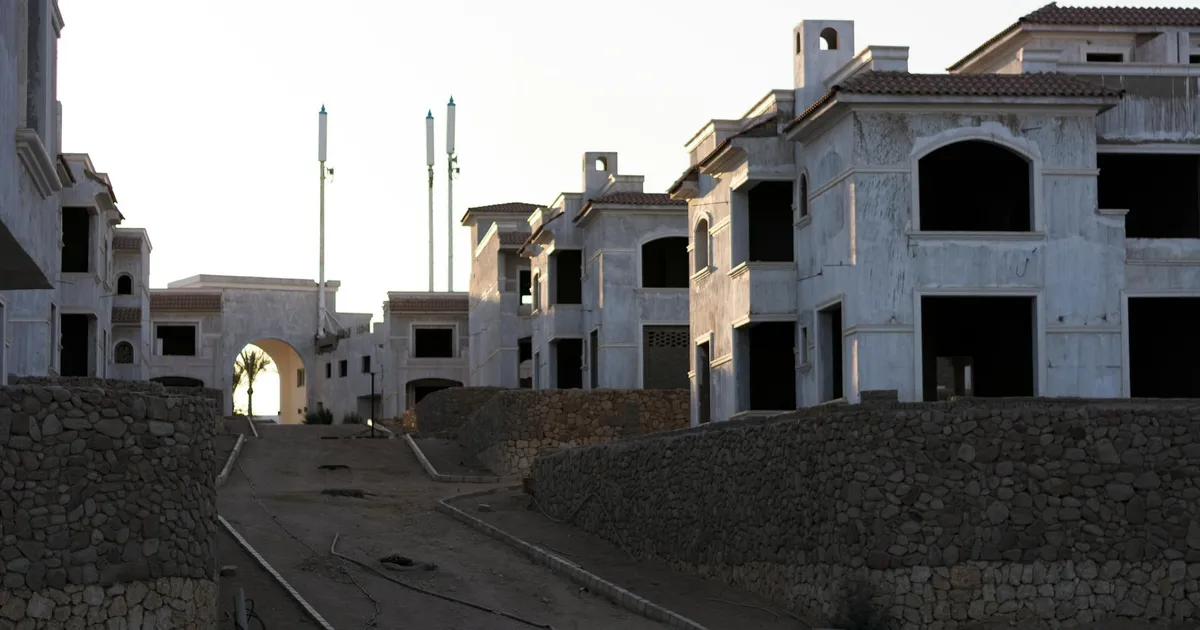
Christchurch is the sharpest illustration of the glut. The ODT reported this week that half-finished two-bedroom developments are proliferating across the city with little buyer appetite. Carl Taylor, builder and head of Combined Building Supplies Co-operative, described the feedback loop: “When you’re driving round town you’ll see notices with five units available and eight in the whole development. They’re just not selling, so we’re starting to see effects in the market. It becomes a vicious cycle.”
Taylor’s own analysis found over 512 listings for two-bedroom townhouses in Christchurch from January through March. Real estate agents report a stark split: 22 groups through in two weeks for standalone houses versus single digits over three weeks for townhouse units. People who bought townhouses in 2021 or 2022 are receiving about $100,000 less than they paid.
Auckland is no better. The Spinoff reported that 521 newly completed apartments remain unsold, roughly 20% of all units built in the past three years. The 46-unit Loxley Apartments in Takapuna ended up in mortgagee sale without ever being occupied. Christchurch consultant Mike Blackburn told BusinessDesk that visible listings are just the surface: “For every listing you might see on the websites, that masks maybe four or five others that are on the market for sale.”
The pipeline that won’t stop
Here is the perverse part. Even as losses mount, the consent pipeline keeps delivering. Stats NZ data from December 2025 shows 15,484 townhouses, flats and units were consented in the year ended October 2025, up 9.9%. Apartment consents rebounded 54%. Stats NZ spokesperson Michelle Feyen noted: “The lift we are seeing this year is being driven by higher-density homes rather than traditional stand-alone houses.”
In Christchurch, 79% of all consents issued in March 2026 were for multi-unit developments. A quarter of all homes in the city are now townhouses or terraced houses, with about 21,000 consented over the past 20 years.
The consent boom peaked at 21,064 townhouse and unit consents in 2022 before falling. But the planning rules that created that surge, the NPS-UD and MDRS mandating intensification, remain in force. Councils have little discretion to slow the flow even when the market is screaming oversupply.
The new-build trap makes it worse
A particularly cruel dynamic is compounding the problem. BusinessDesk reported that townhouses are sitting on the market so long they lose their new-build classification. To qualify, a property must have its code compliance certificate within six months, never have been lived in, and be purchased directly from the developer. That status unlocks first-home buyer access to low-deposit lending and the First Home Loan scheme.
Once the window closes, the eligible buyer pool shrinks dramatically. Developers who shift unsold units into rental pools strip new-build eligibility permanently, locking out the very cohort the product was designed for. Townhouse values have fallen 1.7% over the past year, compared with 0.7% for standalone houses, confirming the densification product is underperforming on the way down.
What this means for business
The downstream effects run well beyond property. Construction supply chains are under real pressure as developers pull back. Bank collateral values are eroding quietly, and lenders holding portfolios heavy in townhouse and apartment security should be watching their loan-to-value ratios carefully. RBNZ data shows the national house price index slipping from 3,414 to 3,389 between December 2024 and December 2025, a market drifting sideways into its fifth year of downturn.
The townhouse boom was not a market accident. It was engineered by the NPS-UD, subsidised by the First Home Loan scheme, and turbocharged by a Reserve Bank that held the OCR at 0.25% until late 2021. Every incentive pointed developers, investors and first-home buyers toward the same product at the same time. Now the cheap debt is gone, the planning mandates remain, and the consent pipeline keeps delivering into a market that cannot absorb it. The people bearing the losses are not the planners or the policymakers. They are the builders with half-finished sites, the developers in mortgagee sale, and the buyers who followed the incentives and are now sitting on assets worth six figures less than they paid.
Sources
- Cotality: Ownership hold periods at historic highs as property market downturn stretches into fifth year (2026-03)
- ODT: Townhouse boom leaving half-finished builds across Christchurch (2026-05-18)
- BusinessDesk: Townhouses taking so long to sell they lose ‘new build’ status (2026-02-25)
- The Spinoff: The great townhouse slowdown (2026-02-26)
- Infonews: Townhouses drive rise in new home consents (2025-12-01)
- Stats NZ: Building consents issued (2025-01-13)