

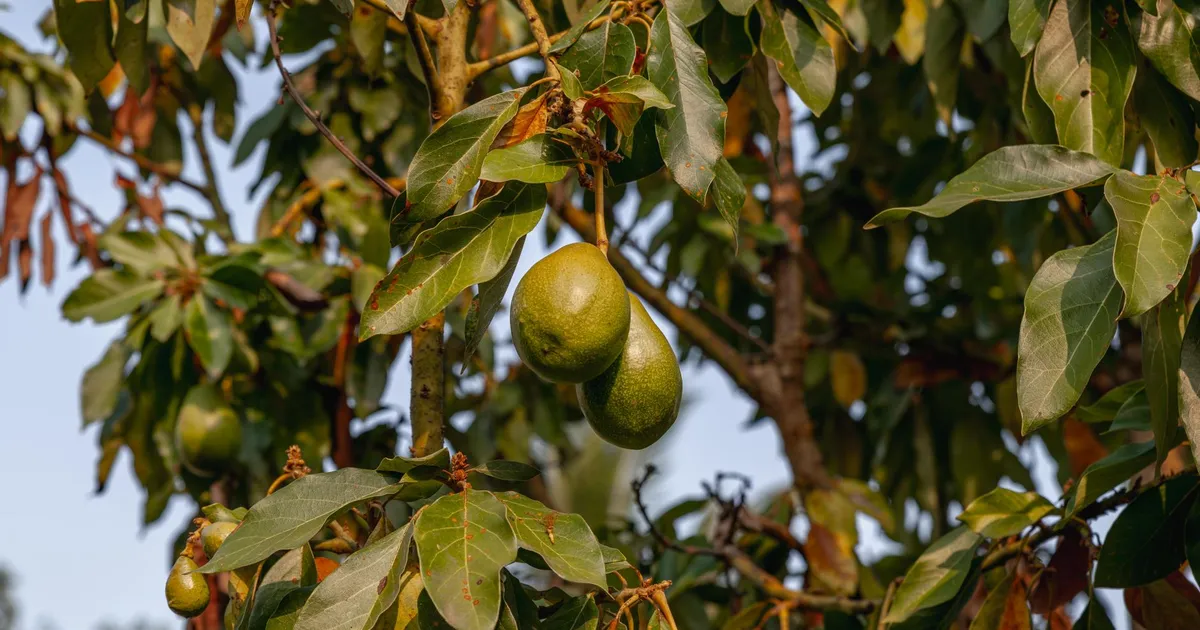
From disaster season to bumper crop
Three years ago the New Zealand avocado industry was on its knees. Cyclone Gabrielle and adverse weather slashed the 2023 crop and international earnings collapsed to around $20 million. The recovery since has been dramatic. The 2024-25 season delivered 7.6 million trays worth $163 million, and now the industry is forecasting its largest export campaign in years.
The 2026-27 season is tipped to hit eight million trays in total, with 5.3 million earmarked for export and 2.7 million for the domestic market. That export forecast is a 54% jump on the 3.446 million trays shipped in 2025-26. New Zealand Avocado chief executive Brad Siebert said early export fruit began leaving the country by the end of June, marking the start of what he hopes will be a strong campaign.
The diversification work is genuinely impressive
Credit where it is due. For years around 85% of New Zealand avocado exports went to a single market, Australia, which is exactly the kind of concentration risk that turns a soft season into a crisis. The industry set out to fix it, and the numbers show it worked. In August 2025, Siebert noted that Asia had grown from around 8% of volumes historically to 37% of export revenue.
Canada, South Korea, Hong Kong and China are collectively expected to account for close to 30% of export volumes this season, with Japan, Singapore, Taiwan and Thailand also holding as important destinations. Export pack-out rates are projected to lift from around 50% to 60%, squeezing more premium fruit out of the same crop.
The quiet re-concentration back to Australia
Here is the tension worth watching. After years of deliberately reducing dependence on one market, Australia’s east coast is expected to take more than 50% of export volumes this season, up from about 21% last season. Siebert frames it as capitalising on strong opportunities in Australia while continuing the diversification strategy, and that is commercially fair.
But it means the volume swing is going straight back to the market the industry spent years reducing its exposure to. If Australian retail demand softens, or if the Australian domestic crop has a strong year, New Zealand exporters will feel it fast. Part of the reason the taps are pointing away from other destinations is structural. In August 2025, Siebert noted that avocados into the United States face a 15% import tariff, effectively closing off one of the world’s largest avocado markets and pushing volume toward Australia and Asia.
Rising costs are landing at the worst moment
The price signal is finally moving the right way. A Commodity Board analysis from May 2026 found New Zealand avocado prices had jumped 36% in a year after a decade-long structural decline driven by extensive orchard development pushing volumes ahead of demand.
The same analysis flagged the sting in the tail. It found diesel prices had almost doubled in recent months, and warned that fuel and fertiliser shocks typically take several months to feed through horticultural supply chains, emerging as the main upside risk to prices through late 2026 as contracts reset. In plain terms, input costs are climbing just as a large volume of fruit hits the market.
Volume is not margin
The industry knows what a glut looks like. In an earlier bumper season, Katikati grower Hugh Moore described prices falling to basically a giveaway, with some fruit reaching as low as 19 cents. Great news for consumers, painful for growers. That is the primary-sector trap in miniature. A record crop is only a record result if the export channels, pricing discipline and market spread can absorb the supply without crushing the return per tray.
The diversification strategy has bought the industry real resilience, and rebuilding from a $20 million disaster to a forecast of its biggest campaign in years is a genuine achievement. But the eight-million-tray headline is not the story. The margin behind it is. With more than half the export book pointed back at Australia and input costs rising into the season, this crop is the test of whether the sector has learned that volume is the easy part.
Sources
- New Zealand avocado harvest tipped to hit 8 million trays this season (2026-07-03)
- NZ avocados gain traction in new markets (2026)
- New Zealand Avocado Market 2026: Prices Rebound, Costs Rise (2026-05-19)
- New season avocados: Good prices, good quality for NZ, as sector prepares for export (2025-08-14)
- A bumper avocado crop pushes prices down