

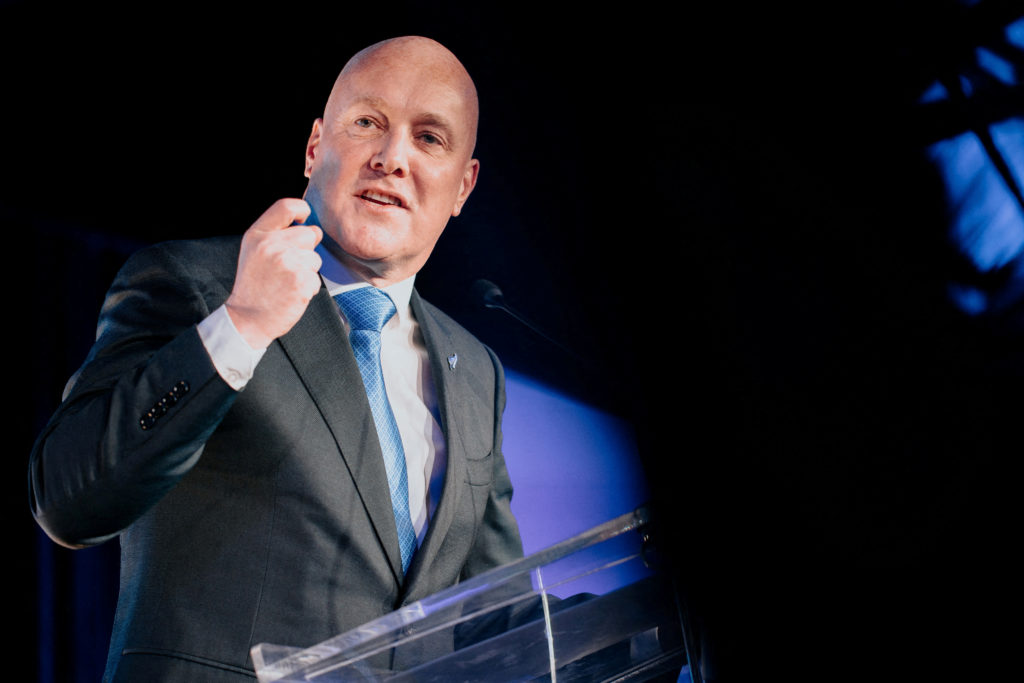
New Zealand’s Prime Minister Christopher Luxon has declared that the country will hold its general election on 7 November. This announcement comes amid economic headwinds and a fiercely competitive political landscape.
Luxon addressed reporters on Wednesday, stressing the importance of voters choosing effective leadership for challenging global conditions. New Zealanders would have to decide “who is best placed to provide stable and strong government in a very volatile and uncertain world.”
A former airline executive, Luxon rose swiftly through politics after Jacinda Ardern’s exit. He entered Parliament in 2020, took the helm of the National Party in 2021, and became prime minister in 2023.
Approval for his leadership has declined as the economy stagnated. Citizens contend with steep living costs, housing shortages, and unemployment above 5 per cent.
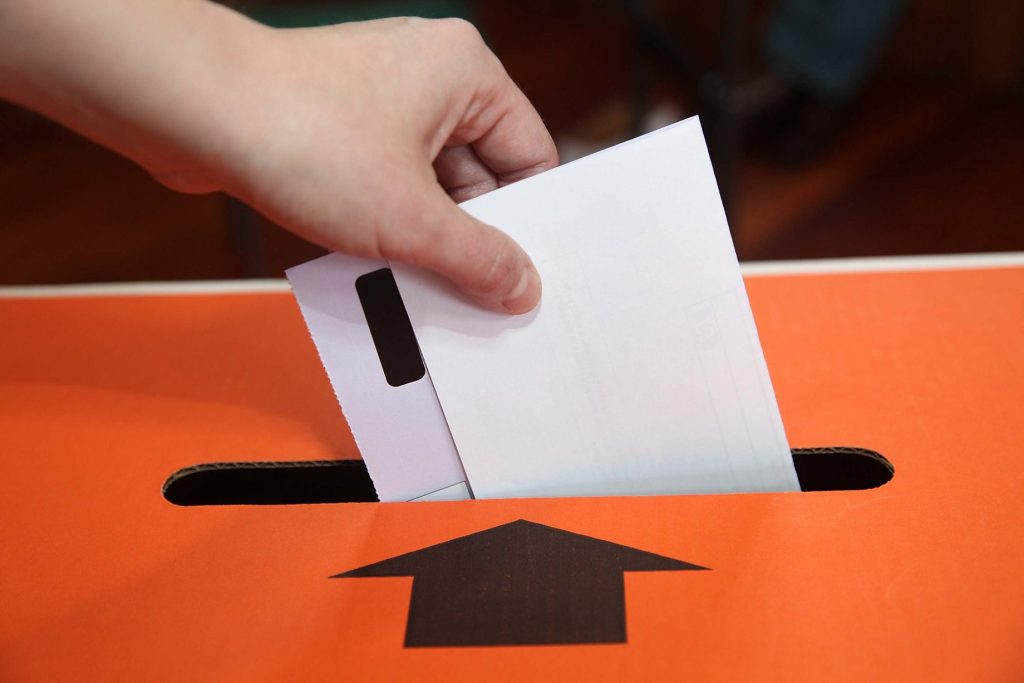
The centre-right coalition of National, New Zealand First, and ACT has governed since 2023 under the mixed-member proportional system. Polls forecast a close contest between a National-led alliance and Labour, led by Chris Hipkins, with minor parties like the Greens and Te Pāti Māori likely to shape any coalition.
Debates centre on tax relief, superannuation reforms, infrastructure gaps, and healthcare pressures. Labour accuses National of misplaced priorities, while National blames prior Labour policies for ballooning debt.
Luxon positioned his campaign around steady progress, stating “We knew it would be hard to turn things around when we first came into office, but over the last two years National has been plugging away, working hard to fix the basics.”
The nation now heads “turning in the right direction,” he added, with efforts “focused on building the future.”
Parliamentary law requires the election by 19 December, heightening stakes in a system where single-term governments remain uncommon.