

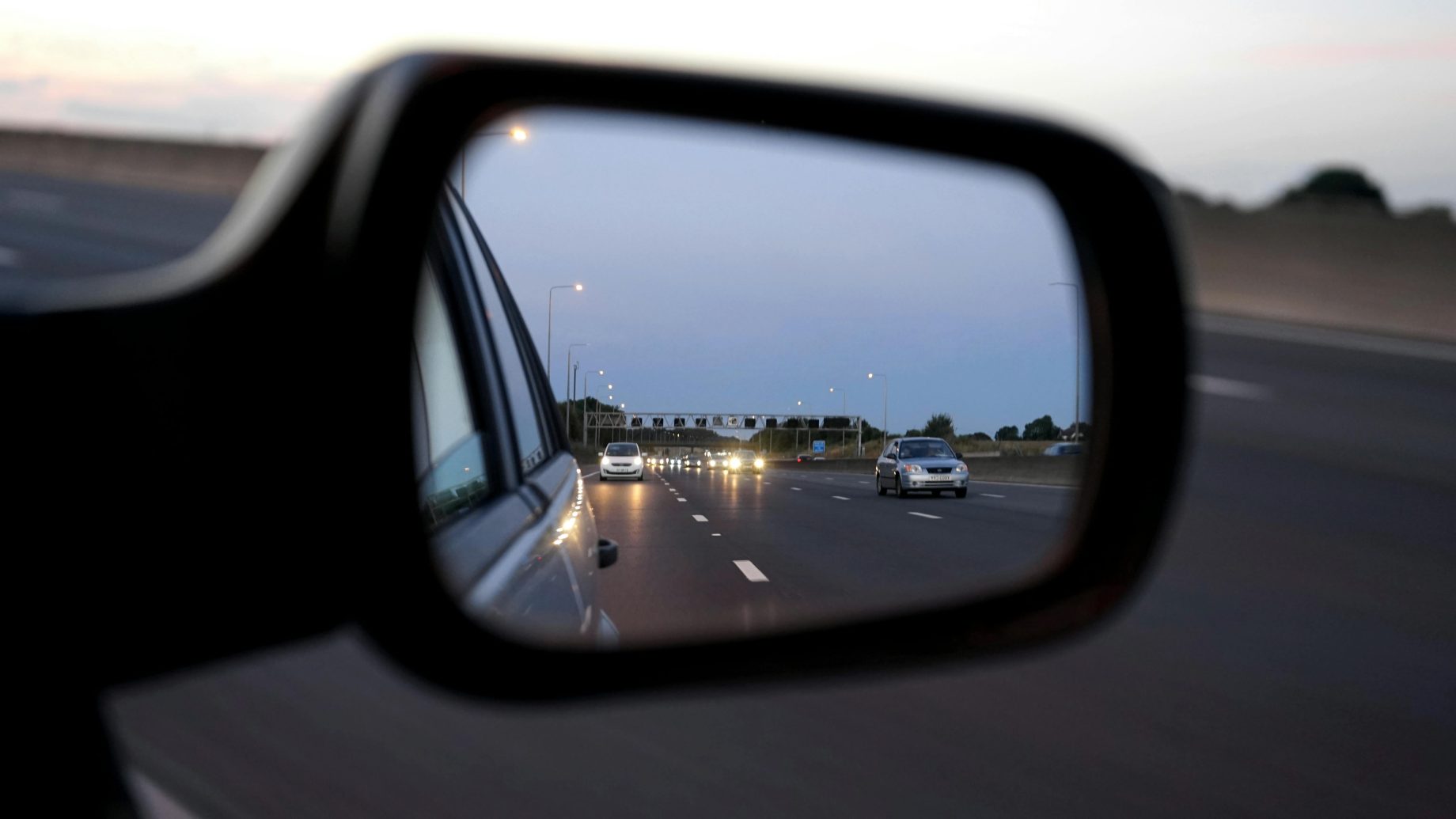
The government has announced the four main drugs that will be included in the police’s new roadside testing programme.
The police, employing new oral-fluid testing devices, will have the authority to stop any motor vehicle and test the driver for four specific drugs, such as THC (cannabis), methamphetamine (meth), MDMA (ecstasy) and cocaine.
“The rollout will begin in December in the Wellington District and scale up from April 2026,” Police Minister Mark Mitchell said.
The rollout is anticipated to achieve nationwide coverage by mid-2026.
The initial roadside screening will consist of a brief tongue swipe, requiring several minutes to complete. Drivers who test negative will typically be allowed to leave within approximately five minutes.
If the screening test shows a positive result, officers will collect a saliva sample for detailed laboratory testing. While the roadside device can identify the presence of four primary drugs, the laboratory is capable of testing for as many as 25 different substances.
A second roadside screening test will then be conducted. If this test is positive, the driver will face a 12-hour driving ban to mitigate any immediate road safety risks. Drivers who test positive in the laboratory analysis will receive an infringement notice.
An infringement notice will also be issued to drivers who refuse or fail to comply with the roadside drug testing.
Transport Minister Chris Bishop described drug-impaired drivers as a serious threat on New Zealand’s roads.
“Around 30% of all road deaths now involve an impairing drug,” he said.
“If you take drugs and drive, you’re putting innocent lives at risk – and we will not tolerate it.”
“Rolling out roadside drug testing is a practical step towards safer roads and fewer tragedies.”