

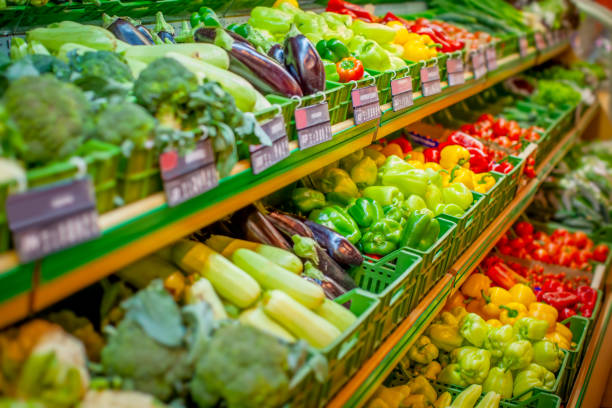
Food prices are poised to climb as fertiliser costs soar amid the Middle East conflict.
Roughly 45% of the world’s urea supply risks disruption through the Strait of Hormuz, a vital export route off Iran’s coast.
Urea, a synthetic organic compound, delivers the highest quick-release nitrogen of any solid fertiliser available in New Zealand.
Iran has emerged as a major urea exporter, representing 10% of global supply, according to agribusiness lending specialist Rabobank.
Middle East urea prices have spiked to US$650 ($1107) per tonne—roughly double last year’s levels.
Like crude oil and gas, much of the Middle East’s fertiliser production must navigate the narrow Strait of Hormuz, which has been effectively shut since the conflict erupted on February 28.
“Nitrogen fertiliser is the key booster of efficient crop growth, of pasture growth,” Sydney-based Vítor Caçula Pistóia, senior grains and oilseeds analyst at Rabobank, said.
“There are some calculations that say that because of nitrogen fertiliser, we can feed eight billion people [the world’s population]. It’s only because of that.”
“If fertilisers disappeared, we wouldn’t be able to produce as much food as we need.”
Pistóia noted that fresh produce, which takes up to two months to grow, will feel the pinch from rising fertiliser prices first, while processed crops may take six to nine months.
Pistóia warned that war-related supply chain disruptions could rival the severity seen during the Covid-19 pandemic.
“In our opinion, those problems will stack up and create a snowball effect.
“Of course, the question is how big this snowball will be, and that depends on the war and the insurance of the vessels.”
Mike Whitty, Ravensdown’s chief operating officer, explained that New Zealand fertiliser prices track seasonal patterns.
“Of course, there’s not much demand over the winter, but we’re in a really good position with either stock in New Zealand or on the water for the autumn.”
“What we’ve seen historically from previous conflicts is a quick ramp-up [in prices], and then it tends to come back to more normal levels.”
Whitty noted a three-to-four-month lag between ordering fertiliser and its shipment.
“In the shorter term, there’s nothing to be concerned about from a supply point of view, and the length of the conflict will determine where it ends up in the medium term.”
New Zealand sources urea from various global suppliers, with the Middle East playing a key role.
Rabobank said any Strait of Hormuz closure would curb shipments from Iran, Iraq, Kuwait, Bahrain, Qatar, and the UAE—plus Oman and Saudi Arabia to a lesser degree.