

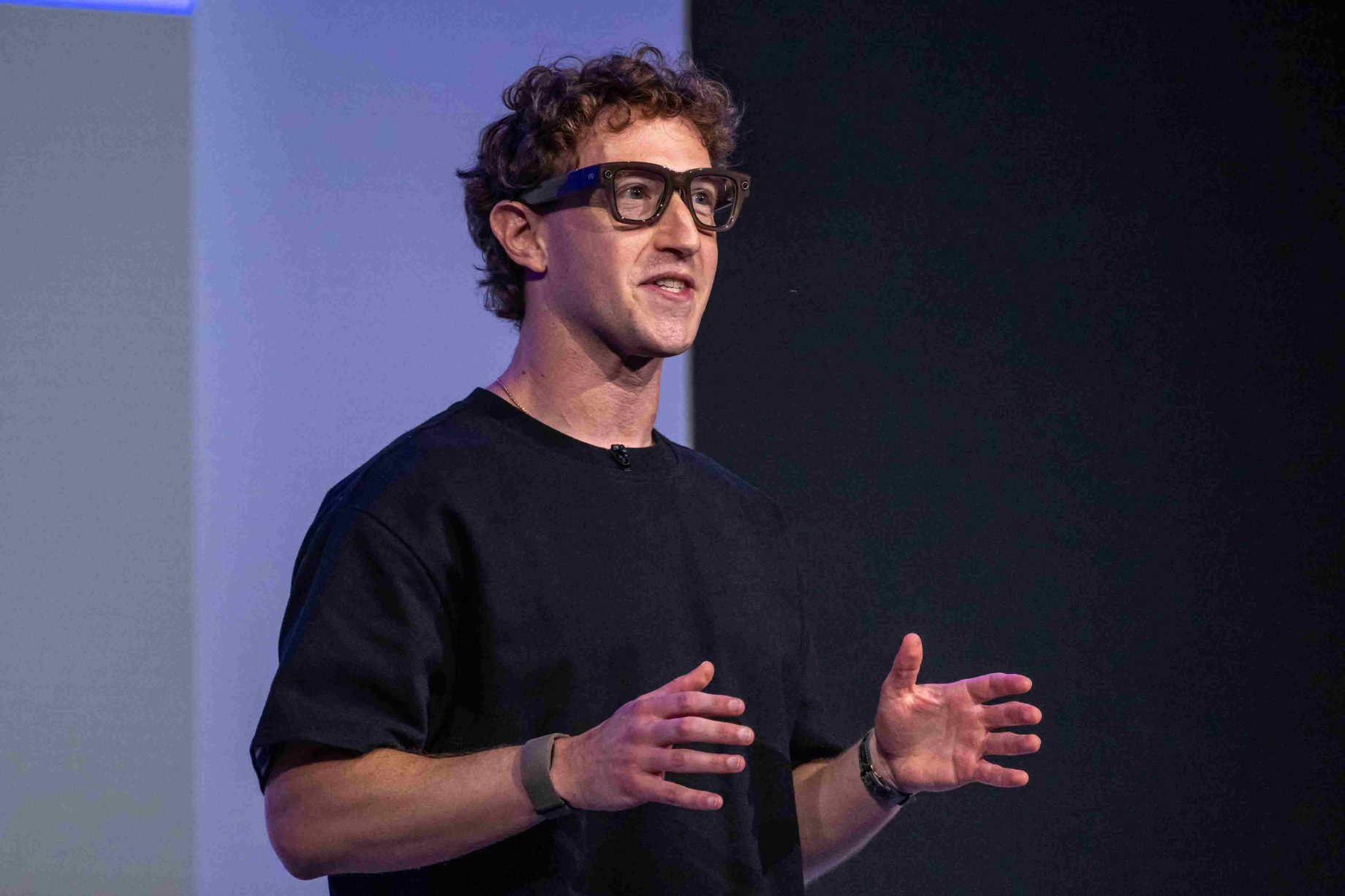
Meta Platforms plans to ramp up artificial intelligence spending to between $115 billion and $135 billion in 2026, chiefly on data centres and computing power. This follows $72 billion invested in 2025 and totals roughly $140 billion over three years to dominate the AI field.
Chief executive Mark Zuckerberg forecasts “2026 to be the year that AI dramatically changes the way we work.” The firm’s 2025 results featured 24 per cent advertising revenue growth to $59.89 billion in Q4, lifting profits to $22.76 billion despite cost pressures on margins. Shares jumped 6.5 per cent in after-hours New York trading.
Zuckerberg touted AI tools like “Meta Compute” and new hires for funding. “We’re starting to see projects that used to take big teams now be accomplished by a single, very talented person,” he said. Meta has shed hundreds of jobs this year, mainly in Reality Labs for metaverse and AI work.
Productivity divides are widening as staff use AI. Workers grow “significantly more productive,” he noted, creating “a big delta between the people who do it and do it well and the people who don’t.”

He added, “What we were talking about is, I think it’s very hard for anyone exactly to predict what the shape of how organisations working is going to feel, but I just think the fact that agents are really starting to work now is quite profound.”
Tech peers warn of an AI bubble like the dotcom era. Cisco’s Chuck Robbins told the BBC that AI could exceed “bigger than the internet” growth, yet the market seems frothy with some firms failing.
JPMorgan’s Jamie Dimon, Google’s Sundar Pichai, and OpenAI’s Sam Altman echoed concerns of overexcitement, with Altman stating last year, “Are we in a phase where investors as a whole are overexcited about AI? My opinion is yes.”