

New Zealand health officials are closely monitoring a measles case confirmed in Auckland, following public exposure events that have reignited concerns about the country’s vaccination coverage. The infected person, a Fullers360 ferry employee, likely contracted the virus abroad and became infectious after returning to New Zealand.
Exposure Sites Released Following Measles Confirmation
The case was confirmed by Health New Zealand on 13 May. Officials have since released detailed information on the locations and times where members of the public may have been exposed between 3 and 5 May, including a major supermarket, a city car park, and several ferry sailings.
Exposure Locations and High-Risk Windows Identified
Health New Zealand has pinpointed three key exposure sites linked to the infected individual. The earliest occurred on 3 May at Woolworths Kelston, between 2:30pm and 4:30pm. “All people who were at the supermarket could have been exposed,” Health New Zealand said in a statement.
Exposure risks continued at the Auckland Downtown Carpark on 5 May. Health officials are particularly concerned about those who “used the stairs between 1:30pm and 2:30pm,” or “were in the lifts between 11pm and midnight.”
More serious concerns stem from a series of ferry sailings on 5 May, where the individual was working while infectious. Between 4:15pm and 7:40pm, only those who used the toilets onboard the ferries are considered close contacts. However, for sailings from 9:00pm to 9:45pm, all passengers are now considered close contacts.
Health Officials Emphasise Risk of Low Immunisation Coverage
New Zealand’s measles immunisation rates are far below the threshold needed to prevent a wider outbreak. Dr Susan Jack, Health New Zealand Protection Clinical Director, warned: “Because measles is so highly infectious we actually need around 95% coverage.” Currently, national coverage is estimated at just 80%.
Jack stressed that the low rate of immunisation significantly increases the likelihood of an outbreak, particularly in the context of resumed international travel and potential virus importation. “People who had been in contact with the case and weren’t vaccinated needed to stay home from now,” she said.
Coordinated Response and Public Health Guidance
The National Public Health Service – Northern Region has begun contact tracing and is directly reaching out to those identified as close contacts in response to the exposure. “If you are at risk then our public health service will be in contact,” Jack confirmed.
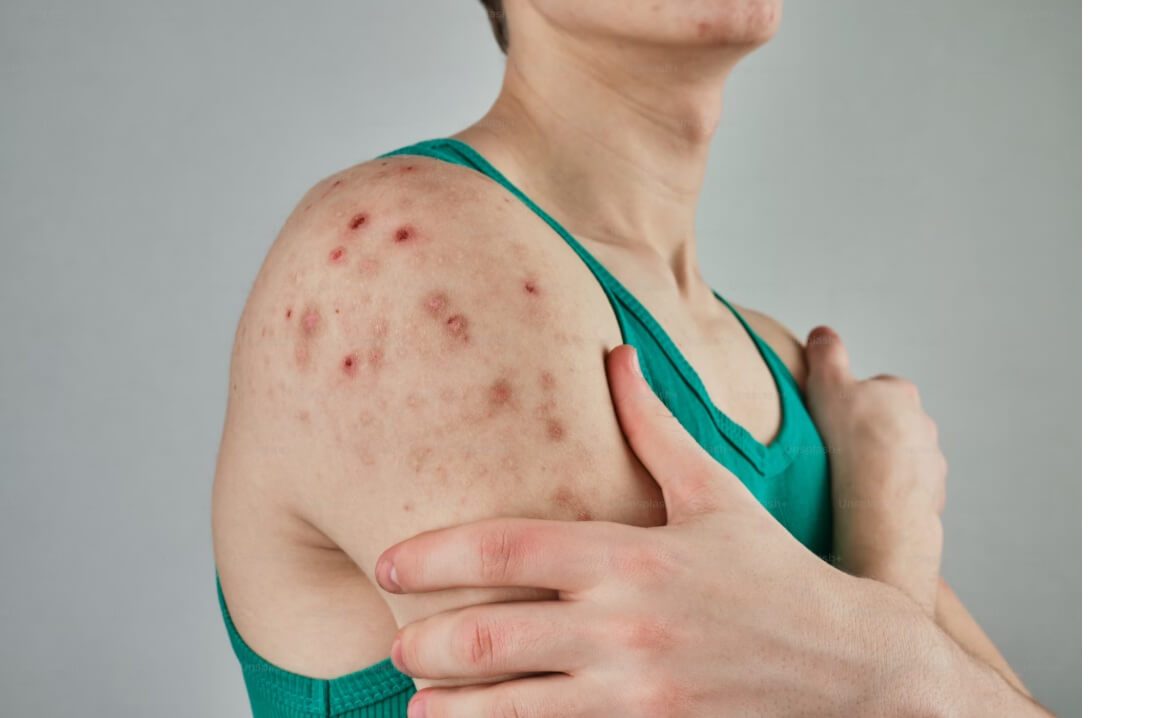
Officials are urging the public to remain vigilant for measles symptoms, which include fever, red eyes, coughing, runny nose, and a rash that usually begins on the face before spreading. “If those affected presented symptoms… they should call ahead to their health centre before seeing others,” Jack said.
Health New Zealand reiterated that anyone who is not immune and was at an exposure site should stay home and contact Healthline for advice. “If you are not immune, please stay at home until you have contacted Healthline,” the agency stated.
Conclusion
New Zealand’s declining immunisation coverage has returned to the national spotlight following the confirmed measles case.
Measles, among the most transmissible of viral infections, presents serious risks in the context of increased global travel. “Because measles is so highly infectious,” said Dr Jack, “the country cannot afford to fall short of herd immunity levels.”