

The only door to Southeast Asia is getting wider
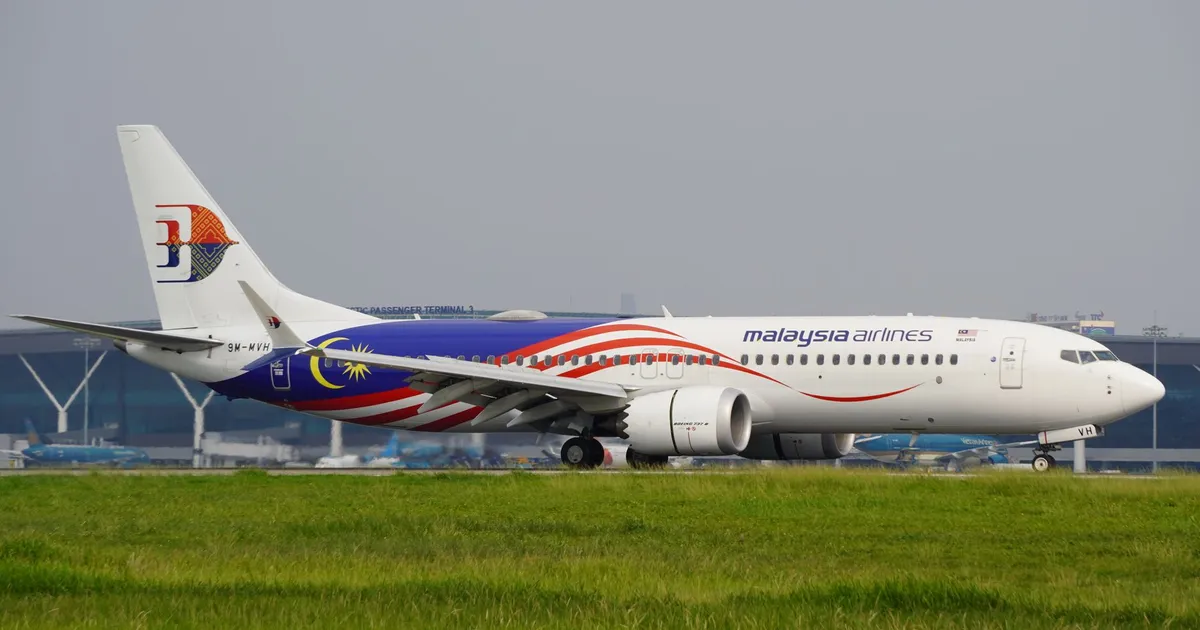
Malaysia Airlines is targeting double-daily service to Auckland, lifting from the current 10 weekly flights to 14, and is actively weighing Christchurch and Wellington additions to its New Zealand network. For a country that treats airline announcements as a tourism curiosity, this one deserves closer reading.
The Kuala Lumpur-Auckland corridor is the only direct air service between New Zealand and Southeast Asia. Kuala Lumpur is a genuine Asian hub, feeding onward services across Southeast Asia, India and the Middle East. Every extra seat on the Auckland leg is therefore a seat into a far wider network, not just a seat to Malaysia. That is the part most coverage skips.
This was engineered, not stumbled into
The expansion is the predictable outcome of a deliberate commercial build. Malaysia Airlines signed a two-year strategic marketing partnership with Tourism New Zealand in May 2026, explicitly designed to lift load factors and “reinforce the case for future capacity growth.”
At the time, Newswire noted the logic plainly: fill the existing 10 flights and operators on the Asian leg “generally respond to sustained demand growth by adding frequencies rather than swapping in larger aircraft.” Four months later, that is exactly what has happened.
Dersenish Aresandiran, chief commercial officer of airline business at Malaysia Aviation Group, was direct about the intent in September 2026 trade media: “Australia and New Zealand remain strategically important markets, with MH reporting strong demand for seamless connectivity via Kuala Lumpur to destinations across Asia, India and beyond.”
The demand data backs the bet
The numbers support the move. Overseas visitor arrivals hit 3.67 million in the June 2026 year, up 9% on the prior year, according to Stats NZ. Malaysian arrivals specifically grew 11.5% to 32,200 in the year to February 2026 – meaningful acceleration on a route already running near-daily.
Malaysia Airlines has also been strengthening the onward end. The carrier recently added Shenzhen, Changsha and Fukuoka to its East Asia network, opening one-stop access from Auckland to Chinese tech and manufacturing hubs and a major Japanese gateway. For a Kiwi exporter or corporate traveller, more Auckland frequency plus deeper onward reach means genuine scheduling flexibility into markets that are otherwise a two- or three-stop grind.
Christchurch is the under-appreciated prize
The South Island angle is where this gets interesting. Christchurch Airport recorded 547,800 overseas arrivals in the June 2026 year, up 21% – the fastest percentage growth of any major New Zealand airport, on Stats NZ figures.
That growth is not going unnoticed by incumbents. Air New Zealand is launching three new non-stop Christchurch international routes – Singapore, Tokyo Narita and Perth – from late October 2026, with its April 2026 load factor already at a tight 85.8%. A capacity environment that snug is exactly what makes a new entrant commercially attractive.
If Malaysia Airlines lands in Christchurch, the South Island gains its first direct Southeast Asian link outside the Air New Zealand network, and a competing option on the Singapore corridor specifically. For conference organisers, education providers, freight operators and corporate travel managers based below the Bombays, that is a structural improvement in market access, not just a cheaper fare.
Air services are infrastructure, so treat them that way
A BERL analysis published in August 2026 makes the framing most airline coverage misses. “A flight route creates benefits beyond the passengers who purchase tickets,” it argues, supporting “tourism expenditure, regional investment, labour mobility, conference attraction, business productivity, and community well-being.”
BERL’s sharper point is that “regions that are difficult to reach can find themselves at a competitive disadvantage,” and that air services deserve the same treatment as “roads, ports, water infrastructure, and broadband networks.”
That is the correct lens here. Malaysia Airlines is making a commercial load-factor decision, which is exactly as it should be. But what it is actually building touches tourism, high-spend education exports, premium belly freight for perishable exporters, conference attraction and one-stop corporate access to Asia. The question for New Zealand is whether it recognises what is on offer and does the work to secure it – or waits, as it too often does, and watches the seats get allocated somewhere else.
Sources
- Malaysia Airlines mulls Wellington and Christchurch flights – major expansion (2026-09-24)
- MH’s Growth Plans & Travel Trade (2026-09-16)
- Malaysia Airlines Partners Tourism New Zealand (2026-05-05)
- Malaysia Airlines and Tourism New Zealand sign two-year deal to grow Asian visitor numbers through Auckland (2026-05-13)
- Malaysia Airlines, Tourism New Zealand partner to boost KL-Auckland route (2026-05-06)
- Annual visitor arrivals up 9 percent (2026-08-14)
- Getting there matters: What airport connectivity means for regional economies (2026-08-17)
- Malaysia Airlines expands East Asia network strengthening one-stop options for New Zealand business travellers
Join the discussion
Add useful context, ask a good question, or challenge an idea — keep it specific and respectful.