

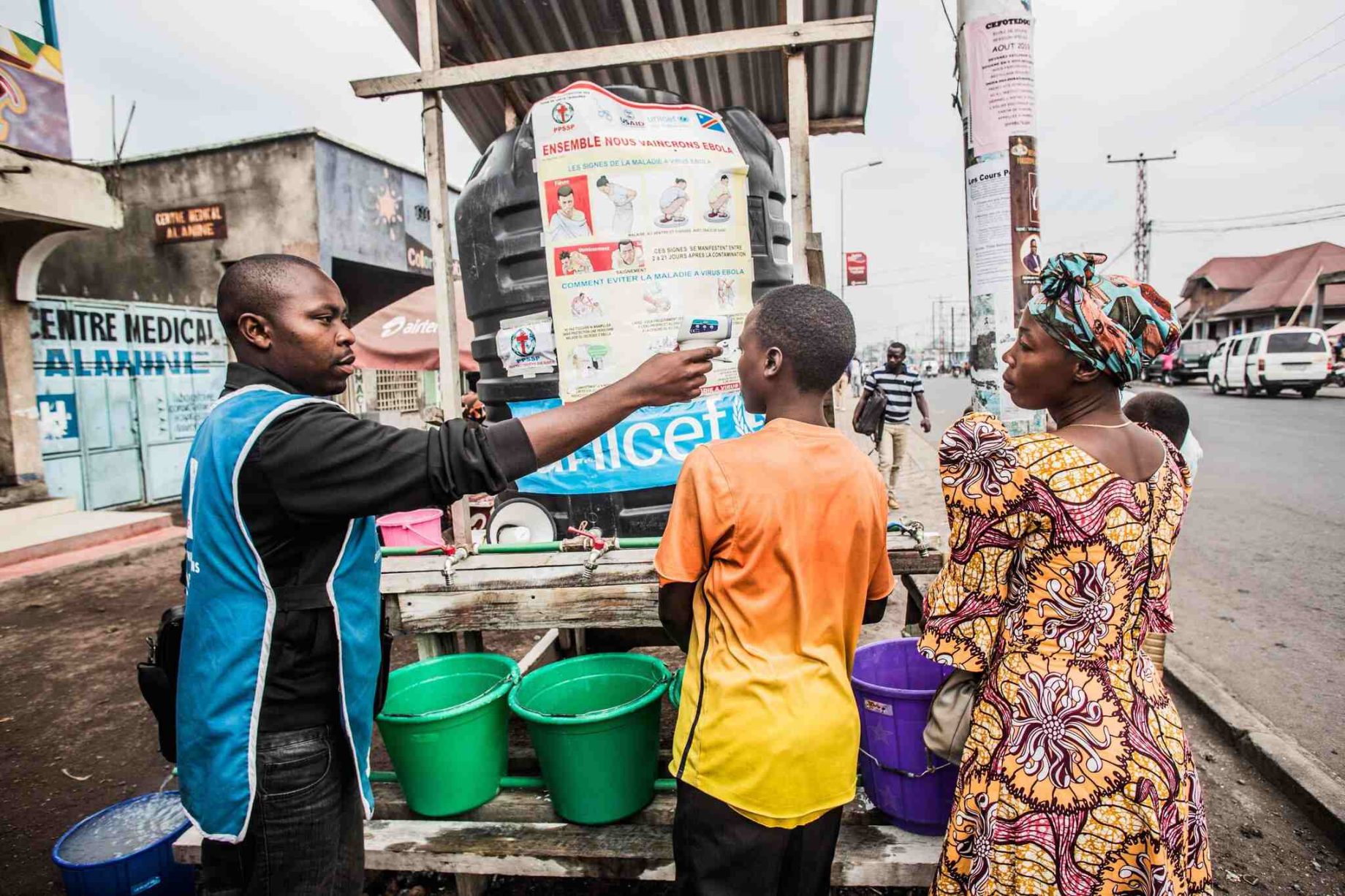
The Ebola outbreak in the Democratic Republic of Congo has raised concern among health officials because of where it is spreading, how late it was detected, and the particular strain involved.
The outbreak is centred in Ituri Province, an eastern region affected by insecurity, displacement, and frequent population movement. Those conditions make it harder for response teams to trace contacts, test suspected cases, isolate patients, and deliver clear public health messages to communities that may already have limited access to healthcare.
The World Health Organization’s decision to declare the outbreak a public health emergency of international concern is not a sign that Ebola is likely to trigger a Covid-style global crisis. Unlike respiratory viruses, Ebola usually spreads through direct contact with infected bodily fluids, contaminated objects, or the body of someone who has died from the disease. People are generally most infectious after symptoms appear.
“But it does reflect that the situation is complex enough to require international coordination,” says Dr Amanda Rojek, from the Pandemic Sciences Institute at the University of Oxford.
The immediate threat is greatest for nearby countries with close travel and trade links to eastern DR Congo. Uganda has already confirmed cases linked to the outbreak, including one death, while Rwanda and South Sudan are also being monitored because of cross-border movement.
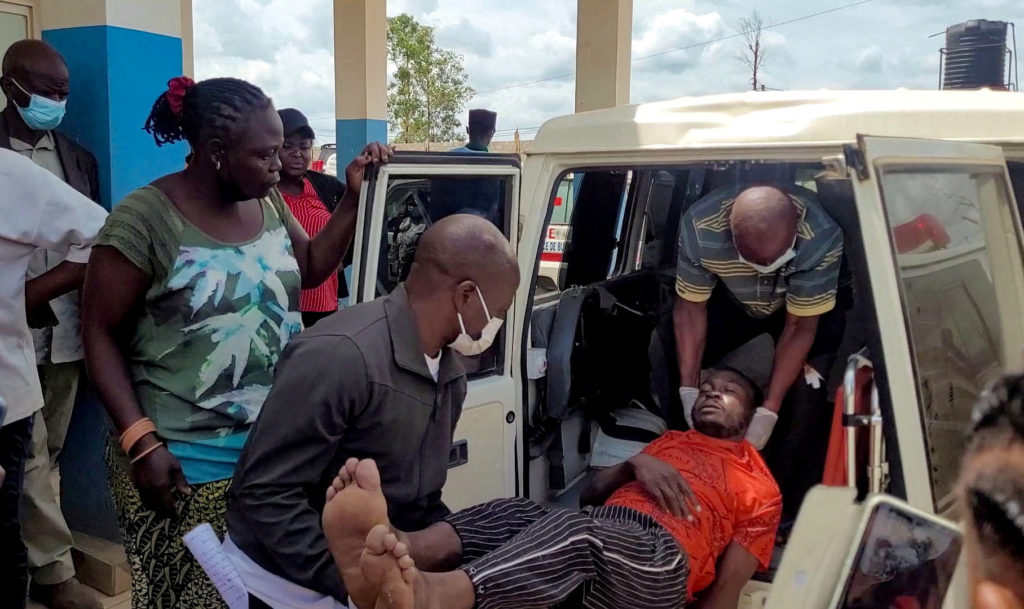
Adding to the difficulty is the fact that this outbreak involves the Bundibugyo species of Ebola, a rarer form of the virus that has caused only a small number of previous outbreaks. Unlike the better-known Zaire Ebola virus, there are no approved vaccines or targeted treatments for Bundibugyo, leaving doctors reliant on early supportive care such as fluids, nutrition, pain relief, and treatment of complications.
Dealing with Bundibugyo is “one of the most significant concerns” in this outbreak, says Prof Trudie Lang from the University of Oxford.
Ebola symptoms can appear between two and 21 days after infection. The illness often begins with fever, headache, tiredness, and muscle pain before progressing to vomiting, diarrhoea, dehydration, organ problems, and, in some severe cases, bleeding.
The delay in confirming the outbreak means health teams are now trying to catch up with chains of transmission that may have been active for weeks. “Ongoing transmission has occurred for several weeks, and the outbreak has been detected very late, which is concerning,” said Dr Anne Cori from Imperial College London.
Containing the virus will depend on rapid case detection, isolation, contact tracing, infection control in health facilities, and safe burials. That task is particularly difficult in mining towns and conflict-affected communities where people often move between settlements and across borders.
Still, DR Congo has dealt with Ebola repeatedly and has stronger response systems than it did a decade ago. The coming days will show whether those systems can stop the outbreak before it becomes a wider regional emergency.