

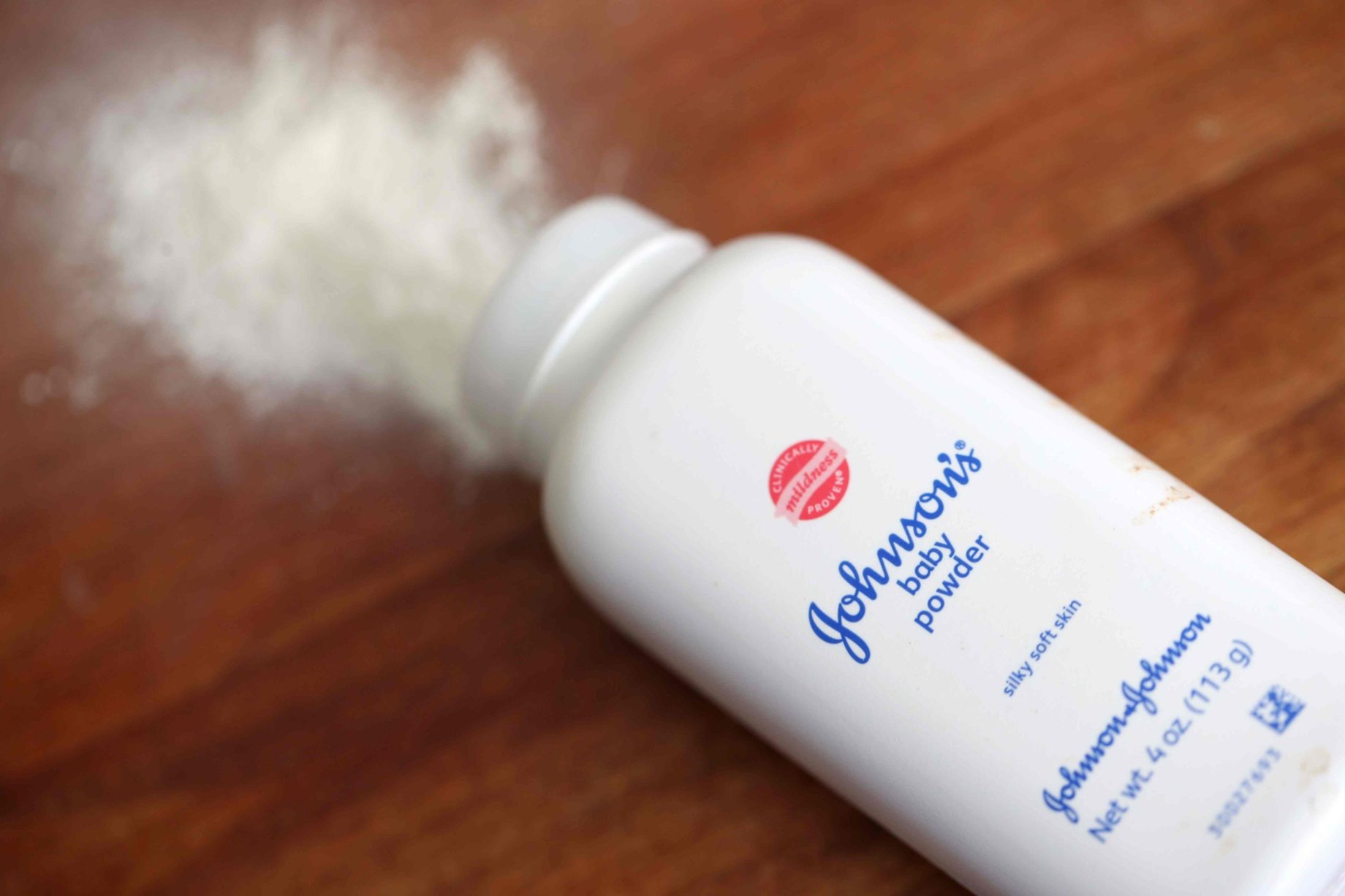
A substantial legal claim has been brought in the UK against Johnson & Johnson, accusing the company of knowingly selling talcum powder contaminated with asbestos. Around 3,000 people are involved in the lawsuit, based on internal documents reviewed by the BBC.
The claim alleges that Johnson & Johnson was aware from the 1960s that its baby powder contained fibrous talc and asbestos minerals tremolite and actinolite, known cancer-causing substances.
Despite this, the company did not warn consumers and instead marketed the powder as safe and pure. Johnson & Johnson denies these allegations, stating its product complied with regulations and did not contain asbestos.
The sale of talc-based baby powder ended in the UK in 2023. This case follows extensive litigation in the U.S., where Johnson & Johnson has faced large damage awards, though it has won some appeals. UK lawyers estimate damages could reach hundreds of millions of pounds, possibly making this the largest product liability case in Britain.

An internal memo from 1973 reportedly acknowledged asbestos fibres in the powder: “Our baby powder contains talc fragments classifiable as fiber. Occasionally sub-trace quantities of tremolite or actinolite are identifiable…” Johnson & Johnson says this referred to regulatory discussions, not confirmed contamination.
Marketing once targeted infants and later African American women, despite internal concerns about safety. A 2008 email stated: “The reality that talc is unsafe for use on/around babies is disturbing… I don’t think we can continue to call it baby powder and keep it in the baby aisle.” The company says this related to asphyxiation risks, not cancer.
The lawsuit also claims Johnson & Johnson lobbied regulators to adopt less sensitive asbestos testing standards, allowing low contamination to go undetected. The company disputes this interpretation.
A recent U.S. court ordered Johnson & Johnson to pay $25 million to a man with terminal mesothelioma linked to lifelong talc use. Testimony revealed a former toxicology chief withheld asbestos test results.
Johnson & Johnson denies wrongdoing and plans to appeal. Its consumer health division, now Kenvue, maintains the product was safe and backed by independent testing.