

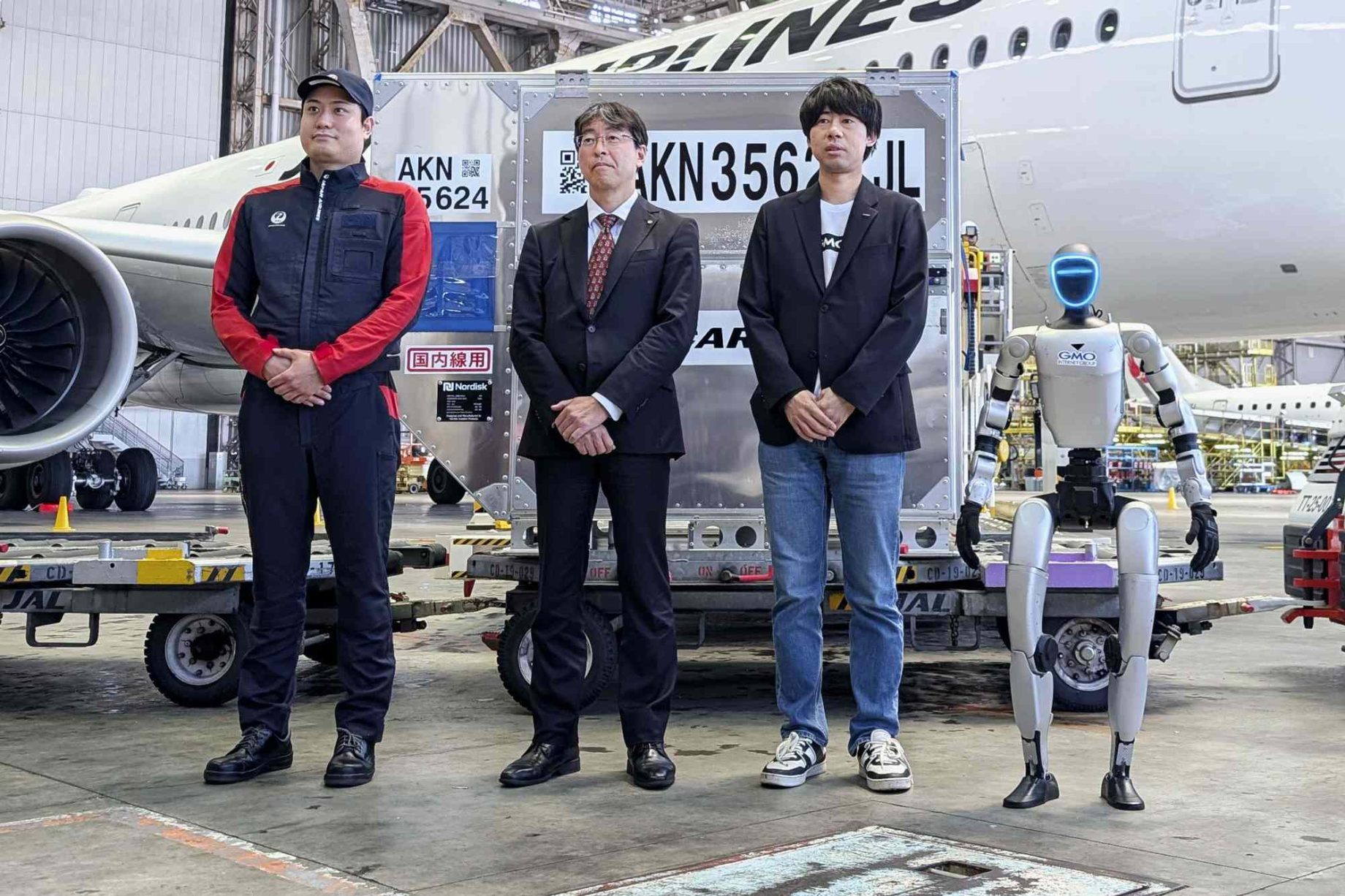
Japan Airlines is embarking on an innovative trial at Tokyo’s Haneda Airport, where humanoid robots will begin assisting ground staff from May as part of a two-year programme aimed at alleviating workforce pressures.
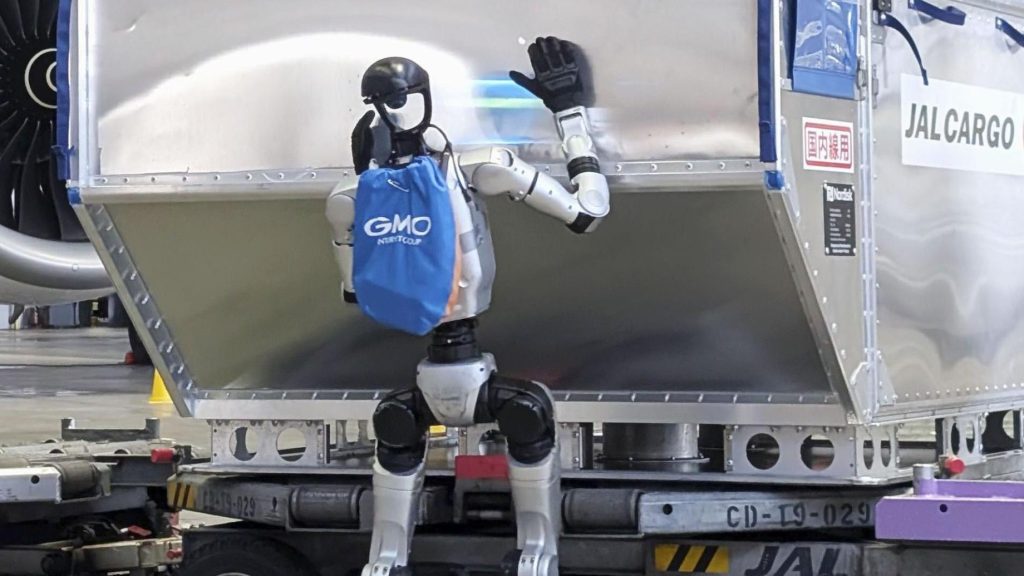
The initiative, developed in collaboration with GMO AI & Robotics, saw the Chinese-manufactured robots demonstrated to journalists on Monday. They will start by handling the physically intensive task of loading and unloading cargo containers, a move designed to address longstanding challenges in Japan’s aviation sector.
With inbound tourism surging and the working-age population declining, airlines like JAL, which employs about 4,000 ground personnel, are facing acute labour shortages. The Japan National Tourism Organization recorded 7.47 million foreign visitors in January and February alone, numbers that have surpassed pre-pandemic highs and placed unprecedented strain on operations.
JAL anticipates expanding the robots’ roles to include cleaning aircraft cabins and operating ground support equipment. This builds on existing robotic applications at Japanese airports, such as security patrols at Narita and retail assistance at Haneda.
“While airports appear highly automated and standardised, their back-end operations still rely heavily on human labour and face serious labour shortages,” GMO AI & Robotics president Tomohiro Uchida told reporters.
The technology promises substantial relief for employees tackling arduous duties. “Using robots for physically demanding tasks will provide significant benefits to employees,” JAL Ground Service president Yoshiteru Suzuka said, according to Kyodo News.
Suzuka emphasised, however, that certain responsibilities, particularly safety management, remain firmly in human hands.
Japan’s push into robotics reflects broader efforts to counter its demographic crisis, with government forecasts predicting a 20 per cent drop in the working-age population by 2040. If successful, JAL’s trial could pave the way for similar adoptions worldwide, helping airports manage rising demands more efficiently.