

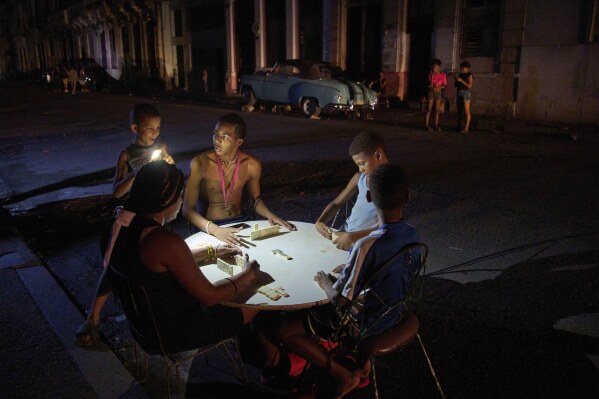
Cuba awoke to total darkness on Monday as its creaking national power grid collapsed entirely, the first such outage since the United States ramped up its blockade on vital oil supplies in February.
State electricity provider Unión Eléctrica announced the failure, which paralysed life for 11 million people across factories, homes, and hospitals, while teams scramble to revive isolated plants showing no initial faults.
This latest blackout underscores a spiralling energy nightmare fuelled by Washington’s curbs, which have choked off over 90% of oil imports since toppling Venezuela’s leadership in January.
Havana blames the renewed embargo under President Donald Trump, but detractors highlight decades of underinvestment in Soviet-era infrastructure needing billions in fixes, according to recent Inter-American Development Bank assessments.
Black-market petrol at £7 per litre has made refuelling a luxury beyond most families’ meagre wages, slashing tourism by 40% and leaving resorts like Varadero powerless.
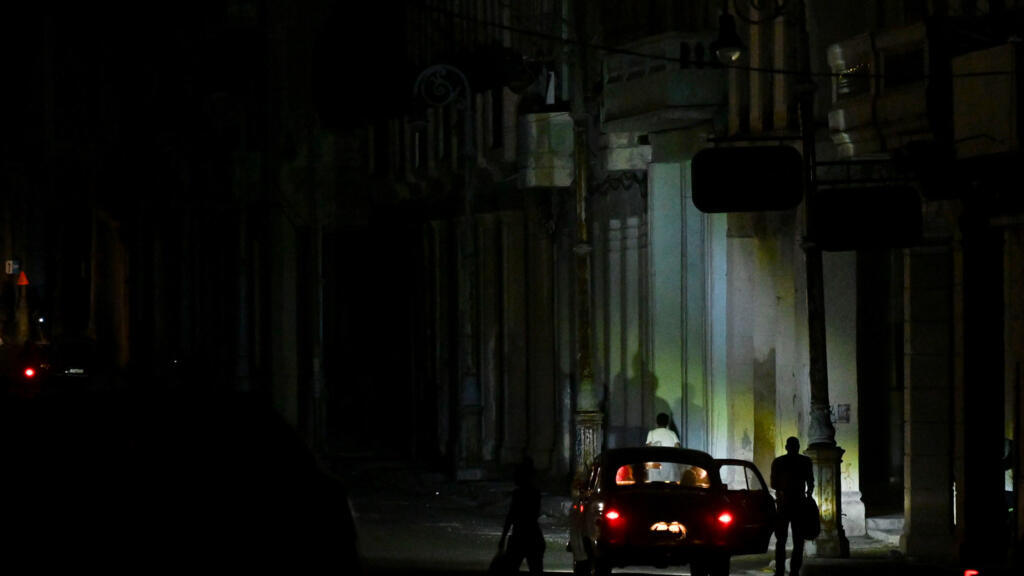
“Officials in the U.S. (government) must be feeling very happy by the harm caused to every Cuban family,” declared Deputy Foreign Minister Carlos Fernández de Cossío.
President Miguel Díaz-Canel lamented three oil-free months and recent U.S. talks. “The impact (of the blockade) is tremendous. It is most brutally manifested in these energy issues,” he said. “This causes anguish among the population.”
Measures now curb school hours, events, and transport; rubbish piles up, hospitals ration care, and Havana’s nights reveal starry skies unmarred by lights.
Internet traffic has halved per Kentik data, airlines like Air Canada ground flights until November, and Trump hints at “taking Cuba,” quipping, “They’re down to, as they say, fumes.”
Cuba rejects U.S. claims of threats from foreign ties and pleads for relief amid whispers of alternative aid.