

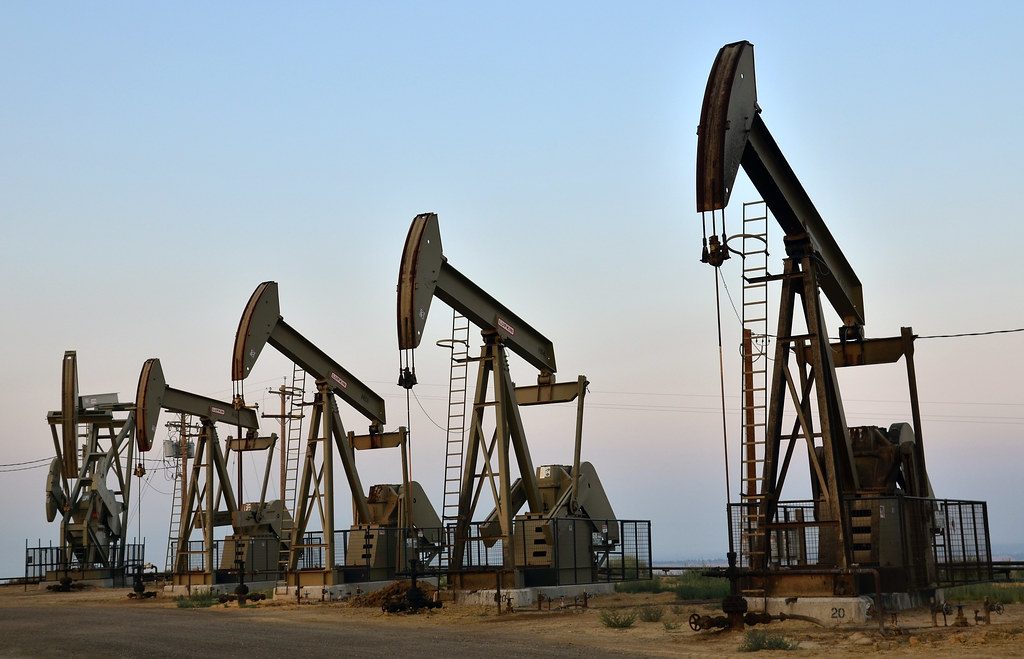
Global oil prices surged by nearly 3% on Thursday following an escalation in tensions between Israel and Iran. The sharp increase reflects investor anxiety over potential disruptions to oil supplies from the Middle East, a region that remains pivotal to global energy markets.
Israeli Prime Minister Benjamin Netanyahu has authorised the military to intensify its operations against Iran, targeting key strategic locations. Israel’s Defence Minister Israel Katz confirmed via social media that the strikes will focus on “strategic targets” within Iran and “government targets” in Tehran, with the aim of undermining the regime led by Ayatollah Ali Khamenei.
Katz emphasised the gravity of the campaign, stating, “Israel’s military has been instructed and knows that in order to achieve all of its goals, this man absolutely should not continue to exist.”
This decision follows reports that an Iranian missile struck a major hospital in Beersheba, a city in southern Israel, further escalating hostilities and prompting calls for decisive military action from Israeli leadership.
The international benchmark Brent crude rose by $2.15, or 2.8%, closing at $78.85 per barrel—its highest settlement since late January. Meanwhile, U.S. West Texas Intermediate (WTI) crude futures climbed to a session high of $77.58 per barrel. The Middle East’s critical role in global oil production means that any conflict involving Iran threatens to disrupt exports, especially through the Strait of Hormuz, a vital chokepoint through which around 20% of the world’s petroleum passes daily.
In parallel, the United States is contemplating its response amid the escalating conflict. President Donald Trump has neither confirmed nor ruled out ordering a strike on Iran’s nuclear facilities. Speaking to reporters, Trump said, “I may do it, I may not do it, I mean nobody knows what I’m going to do.”
The White House has indicated that a decision regarding military action will be made within the next two weeks. This uncertainty has added to the volatility in oil markets, with traders closely monitoring Washington’s next moves.
Financial analysts have warned that a regime change or prolonged conflict in Iran could have profound and lasting effects on global oil prices. Natasha Kaneva, head of global commodities research at JPMorgan, noted in a client briefing, “If history serves as a guide, further destabilisation of Iran could lead to significantly higher oil prices sustained over extended periods.” She further explained that supply disruptions caused by such upheaval “are challenging to recover quickly, further supporting elevated prices.”
These concerns are consistent with past instances where geopolitical instability in major oil-producing countries has triggered sharp increases in crude prices, impacting fuel costs and inflation worldwide.
Beyond the immediate market implications, the escalation between Israel and Iran raises fears of regional instability. Experts caution that the conflict could draw in allied groups such as Hezbollah in Lebanon and proxy forces in Syria and Iraq, potentially widening the scope of hostilities.
Energy markets remain highly sensitive to these developments, with governments and investors watching diplomatic efforts aimed at de-escalation.