

The ceasefire is dead and the risk map just widened
The interim ceasefire between the US and Iran, agreed last month, has collapsed. Six consecutive nights of US airstrikes have hit bridges and energy sites in southern Iran, collapsing a tower at Chabahar port. Iran has retaliated well beyond the Strait of Hormuz, striking Qatar twice in a day, plus Kuwait, Bahrain and Jordan – including a Kuwaiti desalination plant that supplies 90% of the country’s drinking water.
That is the detail Kiwi business owners should register. Iran is now imposing costs on US-allied civilian infrastructure across the region, not just choking a shipping lane. It raises the risk premium on the entire Gulf, and that premium is what ultimately lands on New Zealand invoices.
The insurers are the ones closing the Strait
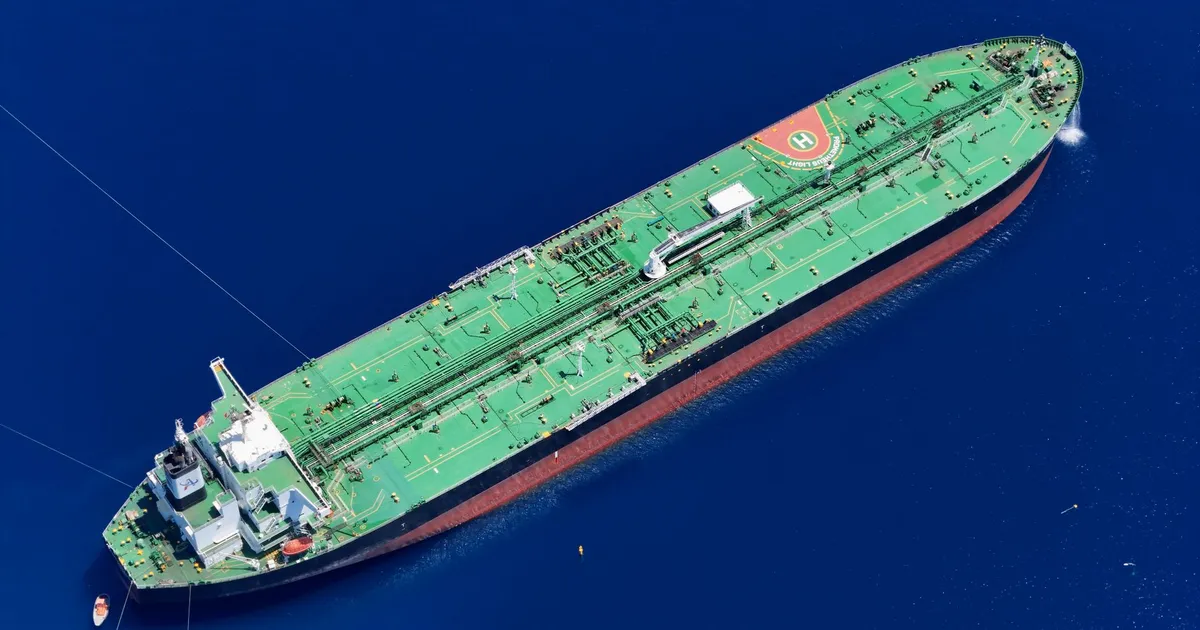
The most important part of this story is not military. AA principal policy adviser Terry Collins has identified the structural driver most coverage misses: it is insurers, not governments, who are effectively closing the Strait. Once war risk premiums make a transit uneconomic, ships stop sailing regardless of what any diplomat announces.
The numbers are brutal. War risk premiums have surged to between 3% and 10% of hull value, up from 0.25% before the war, according to Marsh’s global head of marine, cargo and logistics Marcus Baker. A $100 million tanker that once paid roughly $250,000 in cover now faces a bill of $3 million to $10 million. Baker said war rates have been “on a roller coaster mirroring the development of the price of oil,” easing after the memorandum of understanding, then spiking again in recent days.
Collins’s warning for NZ is that this round is different. Only a sustained ceasefire would ease insurance costs enough to bring shipping companies back. A press-conference truce will not reopen the lane. Insurance markets need durable confidence, and they will not extend it cheaply while Iran is hitting infrastructure two countries over.
Reserves are thinner than in February
Oil has climbed above US$86 a barrel, near its highest in a month, with crossings through Hormuz at a three-week low. And the buffer is smaller than when the war began on 28 February. Energy expert David Keat, a former Marsden Point Refinery manager, said supplies are now “more precarious” for the global economy because reserves have been depleted through months of conflict. His analogy: “you have no insurance on your house and there’s a storm coming towards you.”
Keat expects elevated pump prices for at least another three months, with supply-chain effects running into next year. Westpac’s Reuben Tucker put the tail at “about nine to twelve months into 2027.”
What it does to the pump
New Zealand does not import Middle East crude directly, but the Asian refineries that supply most of our petrol, diesel and jet fuel do. The first wave showed the transmission clearly. Between 28 February and 6 May, Brent crude rose 41% in NZD terms and retail diesel jumped 76%, with 91 petrol up 28%. Prices had drifted back toward $2.90 a litre before this escalation; Westpac economists now forecast a return to around $3.10, heading toward April’s $3.40 peak.
Treasury’s rule of thumb is that every US$10/barrel adds roughly NZ 10 cents per litre. Collins is advising motorists to fill up now, calling it “rational economic advice,” and flags diesel as more exposed given a Russian export ban – a direct hit to freight, farming and construction.
The baseline has changed
Keat also noted that fertiliser, agricultural goods and helium were disrupted during the fighting, so the exposure runs well past crude. Westpac’s take is the sharpest for decision-makers: with oil rising again, there is little point waiting for the crisis to pass before investing. Geopolitical shock is now the operating environment, not the exception.
The practical message is unglamorous but real. Businesses that import, ship or burn fuel should be stress-testing freight and insurance costs against a Gulf that stays hot for months, not modelling a quick return to calm. The tankers will not sail back on a diplomat’s word. They will sail when the underwriters say so, and right now the underwriters are pricing for war.
Sources
- US strikes bridges in Iran, who retaliates by targeting neighbours (2026-07-17)
- ‘Fill up now’: Fuel to climb again amid renewed US-Iran conflict (2026-07-15)
- Shipping insurance surges again as attacks intensify over Strait of Hormuz (2026-07-17)
- Oil supplies ‘more precarious’ now than Middle East war outbreak – expert (2026-07-17)
- The return of rising oil prices risks killing off the emerging positive vibes (2026-07-15)
- Fuel Price Monitoring – 07 May 2026 (2026-05-07)
- Briefing Note: Middle East developments Economic Briefing – 14 March 2026 (2026-03-14)
- People queue for petrol amid warning return to war will blow out prices again (2026-07-16)