

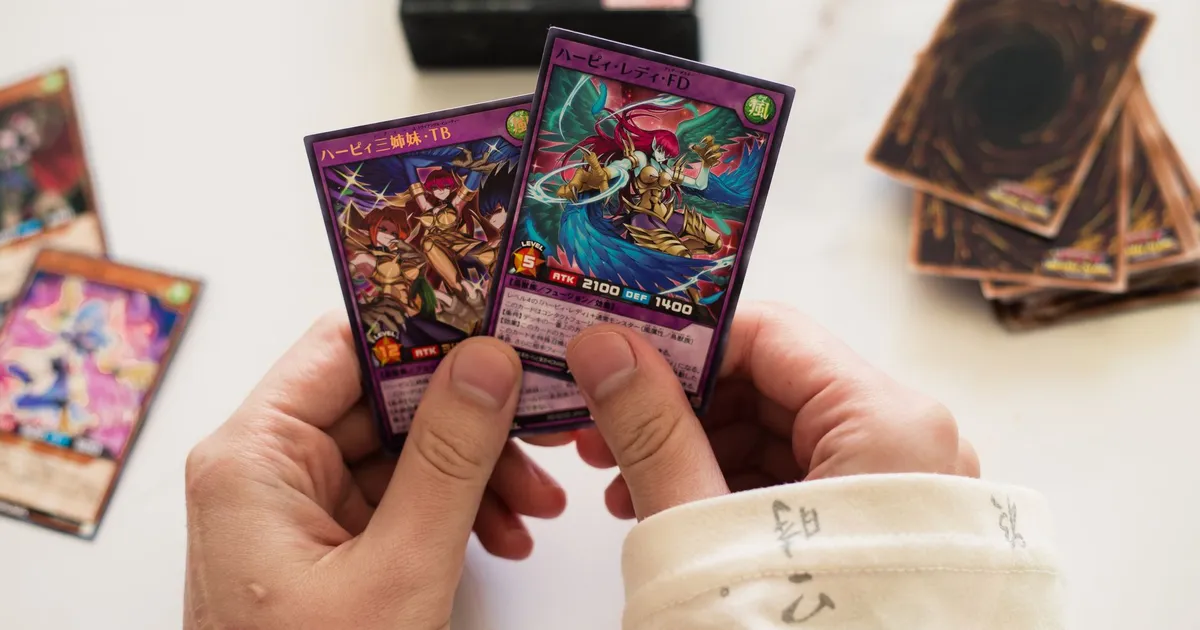
Hobby Lords sells trading cards and tabletop games. It is not a household name, and it does not need to be. What it does need is a committed community of players who show up weekly, buy product at full price, and treat the store as a social venue rather than a shop. That model is now funding eight new store openings in 2026, expanding from seven locations across New Zealand and Malaysia.
The headline-grabbing moment was a rare card selling for around NZ$64,000 to an NFL player. That is fun. But the business story underneath it is more instructive: a specialist retailer is scaling aggressively while the broader retail sector struggles to hold ground.
The numbers say discretionary spending is dying. They are half right.
Stats NZ’s March 2026 quarter data shows total retail volume up just 0.9%. Dig into the composition and the picture sharpens. Groceries rose 1.7%, hardware climbed 2.7%, and accommodation surged 6.1%. But clothing, footwear and accessories fell 4.8%. Consumers are not broadly spending less. They are spending differently.
Treasury’s April data reinforces the squeeze. Business confidence fell from +39 to +1 between late 2025 and April 2026, the lowest reading since September 2024. A net 9% of firms cut headcount in the March quarter. Fuel spending surged 17% in March, crowding out discretionary categories and pushing core retail spending down 0.1% for the month.
Retail NZ’s May figures tell a similar story from a different angle. Consumer spending hit $3.853 billion, up 1.2% on the prior year, but the number of individual transactions was down 1.1%. Fewer trips, higher spend per visit. Retail NZ chief executive Carolyn Young framed it carefully: “We are seeing consumers begin to re-engage, though people are preferring to spend on eating out rather than making significant purchases.”
That last point is the one Hobby Lords is banking on.
Community is the moat, not product
The Wānaka store, first announced in January, illustrates the model. Managing director Liam O’Neill identified an established community of about 40 players as the basis for expansion into a town better known for skiing than card games. The store seats 24 to 32 players with room to expand, and the company purchased the building a year in advance, renting it out while waiting for existing tenants’ contracts to expire.
That is patient capital allocation, not speculative growth. O’Neill’s read on the market is blunt: “The nerd-dom, or fandom, has gone mainstream and it’s no longer seen as uncool to play these games and have fun and enjoy doing something with a friend.”
The stores function as community hubs, not just retail outlets. Weekly tournaments, organised play events, and social gatherings generate repeat foot traffic that pure product retailers cannot replicate. A June 2026 industry overview found that physical hobby stores across New Zealand have evolved into trusted community spaces offering advice, organised play, and safe trading environments that online platforms cannot match.
This is the structural advantage. The Warehouse cannot host a Friday night Magic: The Gathering draft. Amazon cannot build a local player community. And neither can offer the product knowledge or trust that collectors spending thousands on individual cards require.
The intentional consumer is the specialist’s best friend
Inside Retail NZ’s May analysis argues the modest retail recovery masks a structural shift in consumer behaviour. Shoppers are not simply pulling back. They are becoming more deliberate, prioritising experiences and niche interests over mass-market purchases. The analysis suggests specialist retailers serving passionate communities with genuine expertise are better positioned than generalists relying on volume and discounting.
Treasury’s Budget Economic and Fiscal Update forecasts GDP growth of 1.2% for the year to June 2026, improving to 2.3% by June 2027. A recovery is coming, but it will reward businesses that built loyalty during the downturn, not those that survived on discounting.
Hobby Lords is not a tech unicorn or a venture-backed disruptor. It is a specialty retailer that understood one thing most big-box operators still do not: when household budgets tighten, consumers protect spending on things that give them identity and belonging. A weekly card night costs less than a restaurant dinner and delivers stronger social reinforcement.
What other businesses should take from this
The transferable lesson is not “sell trading cards.” It is that margin in a weak consumer environment lives in depth, not breadth. Serve a community that would rather pay full price at a trusted specialist than chase the cheapest option online. Build infrastructure around the product, whether that is events, expertise, or physical space for gathering. And when competitors are retreating, recognise that the customers who remain are the most loyal ones you will ever find.
Eight new stores in a year when net 9% of firms are cutting staff is not recklessness. It is a bet that the intentional consumer is here to stay, and that the retailers who built community during the hard years will own those customers when conditions improve.
Sources
- Hobby Lords coming to Wānaka (2026-01-09)
- Retail activity up in the March 2026 quarter (2026-06-19)
- Fortnightly Economic Indicators – 23 April 2026 (2026-04-23)
- Budget Economic and Fiscal Update 2026 (2026-05-28)
- Why shoppers are becoming more intentional (2026-05-25)
- Collectables Gain Ground Across New Zealand (2026-06-10)