

A three-hour hearing over a glass of bubbles
The Helicopter Line, one of Queenstown’s best-known scenic flight operators, spent this week in front of the Queenstown Lakes district licensing committee trying to answer a question no functioning regulatory system should force a business to litigate. Is champagne a “good”? Is a helicopter base a “shop”?
The Otago Daily Times reported that the company appeared before the committee seeking an off-licence to serve alcohol as part of its bespoke, pre-booked scenic flight packages. The hearing ran three hours. THL counsel Tanya Surrey called it the “first of its type” application in the country.
The legal snag is structural. The Sale and Supply of Alcohol Act 2012 requires that for an off-licence the premises must be a “shop” and the alcohol must be a “good”. THL’s base at Queenstown Airport is not a bottle store, and a scenic flight is, plainly, a service. Surrey’s argument was that because the alcohol comes bundled into a package that may also include food, photography and souvenirs, it becomes a good rather than a service. Predictably, both the police and the medical officer of health opposed it.
What THL is actually trying to do
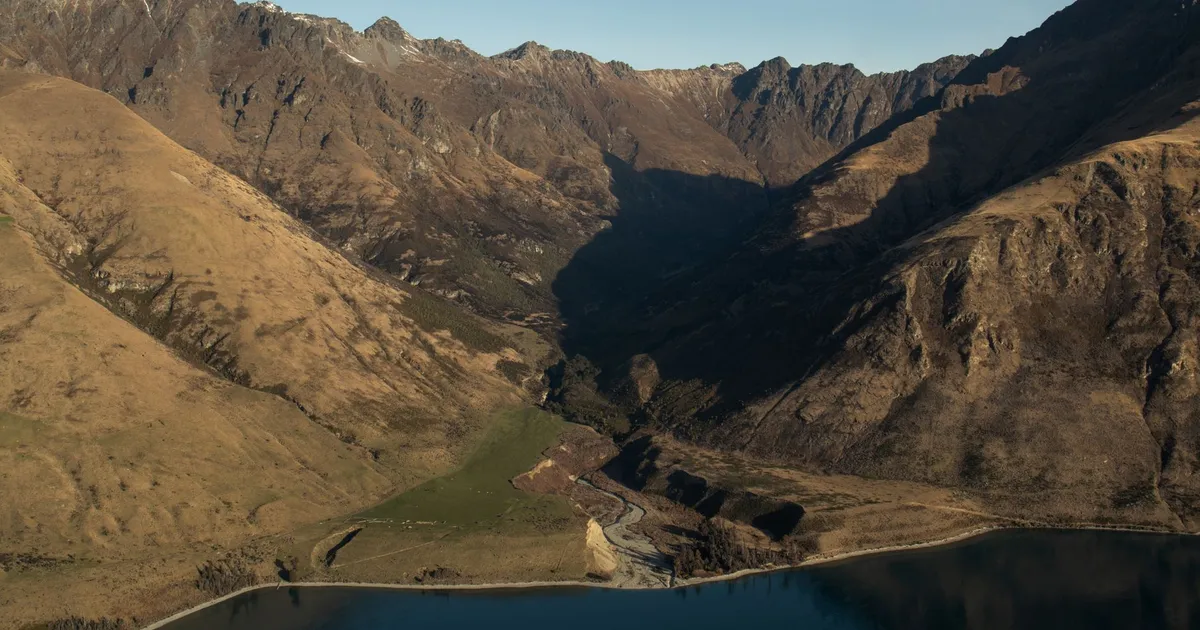
This is not a bottle shop on a helipad. Base manager Simon Cooney told the committee the licence would apply only to bespoke, pre-booked packages, not the ordinary scenic flights where strangers share a cabin. A typical package involves roughly 30 minutes at a remote alpine spot, with the pilot pouring for passengers.
Chief executive Mark Quickfall said customers regularly ask for champagne to mark birthdays, marriage proposals and weddings. THL wants to offer that lawfully and with control over the experience rather than fall back on a BYO workaround. The commercial logic is obvious. The company already runs a Heli Wine and Food Tour at $385 per person, a six-hour experience with an alpine landing and hosted tastings at Gibbston Valley wineries. Premium tourism margin is built precisely on this kind of controlled, high-value upsell.
The government already knows this is broken
Here is where it gets sharp. The minister responsible has already used this exact scenario as her headline example of the law missing the mark. Writing in a Scoop release in April 2026, Associate Justice Minister Nicole McKee described “a tourism company that was prevented from providing a complimentary glass of bubbles to a bride and groom after flying them up to a scenic lookout to get married”. That, she said, is “the kind of low-risk situation where the law seems to miss the mark”. She added that “nearly every week” she hears of a red tape issue in the Act “without having a clear harm-reduction justification”.
The Sale and Supply of Alcohol (Improving Alcohol Regulation) Amendment Bill is now before Parliament, with a regulatory impact statement published in March 2026. It lets wineries and breweries hold both licence types, permits barbers to serve a small drink without a licence, and, as Newsroom reported in March 2026, aims to end “carpetbagging” objectors with no local stake.
The bill is welcome but THL is stuck now
Business has lined up behind the reform. BusinessNZ’s May 2026 submission called it “a sensible package of reforms that cuts red tape and makes it easier for businesses to operate” and “long overdue”. Hospitality NZ chief executive Kristy Phillips described the changes as “common-sense” and flagged members’ frustration with “vexatious objections from outside the applicant’s territorial authority”.
But the reform may not go far enough on the part that bites hardest. Newsroom’s expert analysis in May 2026 warned that official objectors can still impose costs on applicants without having to justify their conditions as proportionate, so a “‘voluntary’ condition can be accepted by an applicant wishing to avoid a police-contested process” because “fighting it costs more than living with it”. That is exactly THL’s position: police and the medical officer of health opposed it, and the company is now wearing the cost of a three-hour precedent-setting hearing.
To be fair, the committee is not reflexively hostile to new ideas. It applies real scrutiny. In January 2026 it declined a Beercycle application, with chairman Lyal Cocks citing evidence of intoxicated patrons vomiting into gardens and pushing bikes into traffic elsewhere. But the THL case is the opposite of that: pre-booked, controlled, celebratory, a pilot in charge, no history of harm. The framework forces the same procedural burden regardless of risk.
The committee will deliver its decision in writing. Whichever way it lands, the lesson is already clear. A compliant operator chasing a legitimate, low-risk revenue line has to argue in a hearing room whether bubbles are a good, under a law the government itself has admitted is broken but has not yet fixed.
Sources
- Otago Daily Times: Helicopter ‘shop’ status sought (2026-07-11)
- Scoop: Last Call On Red Tape – Alcohol Bill Open For Submissions (2026-04)
- BusinessNZ submission on the Improving Alcohol Regulation Amendment Bill (2026-05-14)
- Newsroom: Alcohol licensing changes burden applicants with cost of objections (2026-05-12)
- Newsroom: Alcohol reform signals end to carpetbagging licensing objectors (2026-03-17)
- Scoop: New Alcohol Amendment Bill Supports Commonsense Changes, Says Hospitality NZ (2026-03)
- Otago Daily Times: Beercycle licence application denied (2026-01-27)
- Regulatory Impact Statement: Improving Alcohol Regulation (2026-03-25)
- The Helicopter Line: Heli Wine and Food Tour