

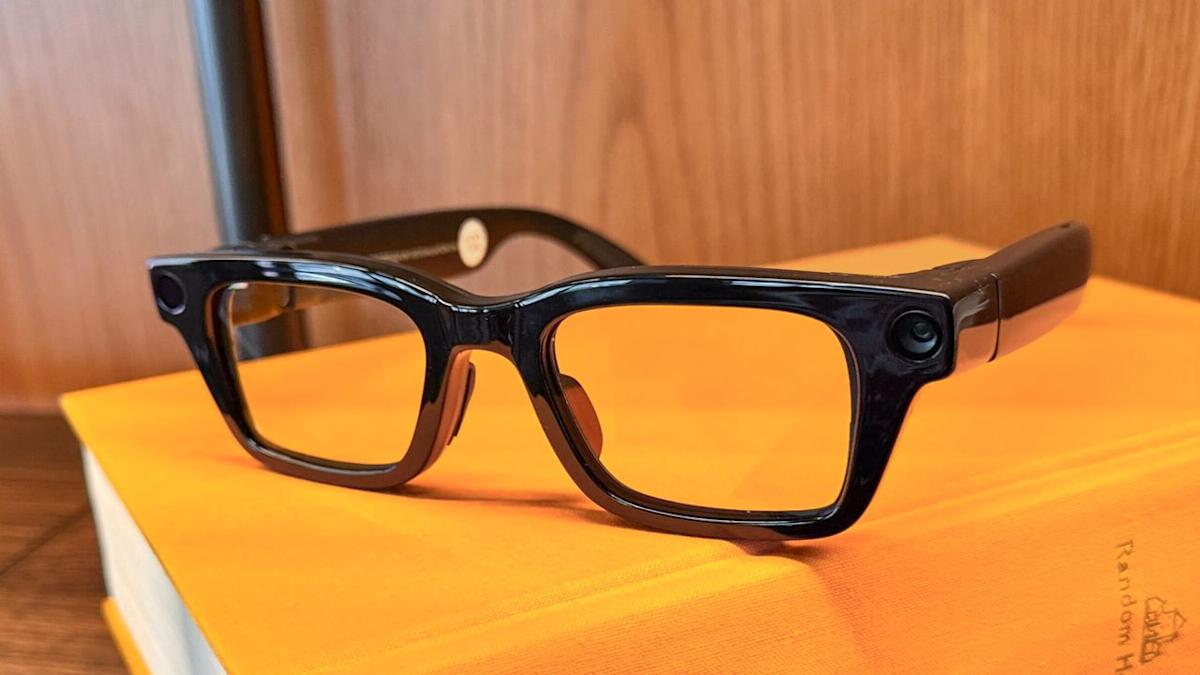
Google is preparing another push into smart glasses, more than a decade after Google Glass became one of the technology industry’s most memorable product failures.
The company used its annual developer conference in Mountain View, California, to preview a new generation of AI-powered eyewear built around Gemini, its artificial intelligence assistant. Unlike Google Glass, which placed a small display in front of the wearer’s eye and quickly became associated with privacy concerns, the first version of Google’s new glasses appears to be designed as a more discreet smartphone companion.
The glasses are expected to go on sale in autumn and will be developed with partners including Samsung, Warby Parker, and Gentle Monster. They will feature a camera, microphones, and speakers, allowing users to speak to Gemini, receive audio responses, take photos, make calls, send messages, and access directions without pulling out a phone. Google said the device will work with both Android and iOS, which could help it reach users beyond its own mobile ecosystem.
Shahram Izadi, a Google executive, said the aim is to let wearers “stay hands free and heads up,” while using AI for everyday tasks.
“They are designed to give you all-day help with Gemini that’s spoken into your ear privately rather than shown on a display,” Izadi added.
Google is also developing a separate model with an in-lens display, which could eventually show messages, navigation prompts, translations, and other visual information directly in the wearer’s field of view. That version has not yet been given a launch date, although the company said further details would be released later this year. Developers are already being encouraged to create services for the display-enabled model.
The move comes as competition in smart eyewear intensifies. Meta has gained momentum with its Ray-Ban smart glasses, which combine cameras, speakers, and AI features in a familiar frame design. Snap is also working on updated augmented reality glasses, while Apple is widely reported to be exploring its own wearable device.
Still, privacy remains one of the biggest challenges for the category. Camera-equipped glasses can make it difficult for people nearby to know when they are being recorded, reviving many of the concerns that surrounded Google Glass.
Investor Christine Tsai of 500 Global said Google’s return could strengthen the market. “It’s good for consumers. And it’s good for early stage start ups, where we tend to invest, because they’re a platform where people can build more capabilities,” she said.
Developer Anil Shah, who is building the events management app tixfix.ai, said the glasses could fit naturally with Google services such as maps, voice tools, and local search.
“It’s a great addition to their product line-up,” he said.