

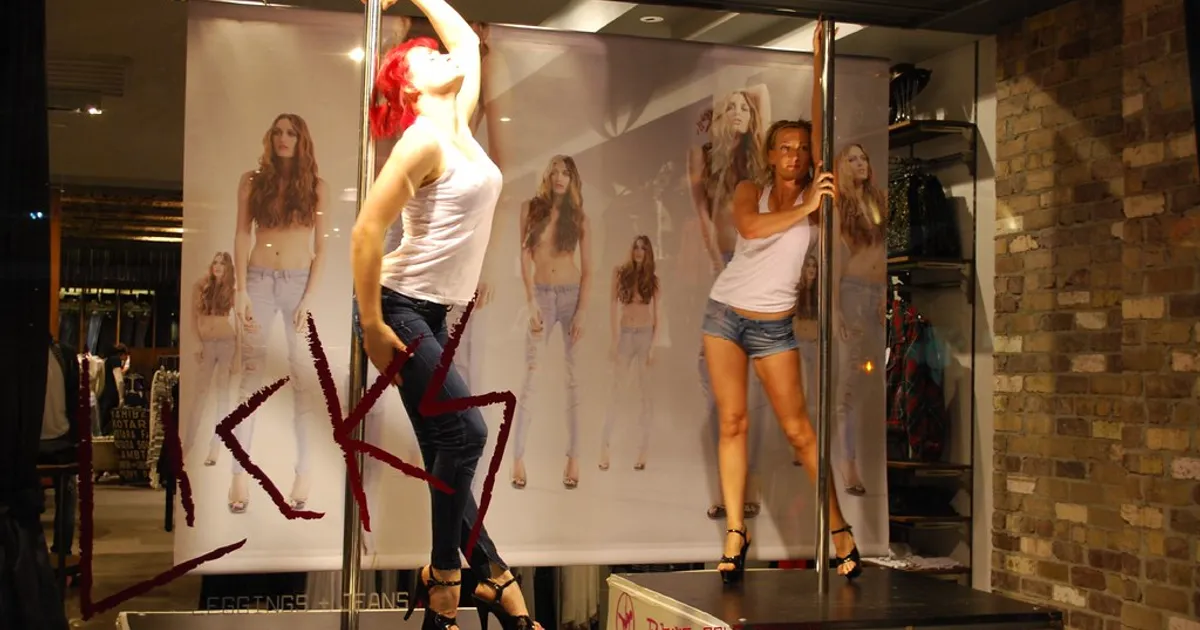
General Pants Co, the trans-Tasman streetwear chain, entered voluntary administration on 18 November, with Alvarez & Marsal’s Jason Tracy and Glen Kanevsky appointed administrators. About 500 jobs across Australia and New Zealand are now in limbo.
This is not a one-off. Economists may be pencilling in a recovery, but fashion retailers are not trading in it yet. Rent, inventory and soft discretionary demand are leaving almost no room for error, and the brands without a clear reason to exist are the first to go.
The casualty list keeps growing
General Pants is the fourth major trans-Tasman retail failure in roughly ten weeks. Cue and Veronika Maine went into receivership in September, and department store David Jones entered administration earlier this month. NBR describes it as “continued carnage” in the fashion industry, arriving despite broader economic recovery discussions.
The New Zealand footprint is small but visible. Four stores remain, three in Auckland (Newmarket, Mānawa Bay and Sylvia Park) and one in Wellington, from a chain that has shrunk to about 35 stores from a peak of 62. For now, all stores and the online shop keep trading and gift cards are being honoured. The first creditors meeting is due by 30 November.
The discretionary wallet is still shrinking
The local data explains why fashion is struggling. Stats NZ found retail sales volumes fell 0.5 percent ($138 million) in the June 2026 quarter, with 8 of 15 retail industries going backwards.
Retail NZ’s read of the same numbers is grimmer. Fuel spending jumped 25.1 percent to $2.74 billion in the quarter, and even the categories that grew did so more slowly than inflation running above 4 percent. In August, Retail NZ chief executive Carolyn Young said “high nondiscretionary costs at the pump continue to eat into household budgets, limiting what shoppers have left for discretionary retail”.
Every extra dollar at the pump is a dollar not spent on a pair of jeans. That is the environment a mid-market fashion chain has to survive in.
Blaming Shein only goes so far
Owner Alquemie Group points to structural change and “the growing dominance of offshore online-only retailers”, saying a sale or capital injection was explored and none was viable. Offshore competition is real. But the warning lights were on long before this week.
In mid-2025, retail profitability specialist Carla Penn-Kahn noted “a significant uptick in discounting, a clear sign that trading conditions are tough”. Retail consultant Brian Walker went further that year, warning that sustained markdowns pointed to weak full-price sell-through, and that in “PE-held businesses like General Pants” revenue targets can drive discounting that erodes brand equity. In hindsight, that reads like a diagnosis.
By late 2025 the chain had closed 16 stores in 13 months, with Alquemie blaming Shein, Temu and Amazon as well as landlords seeking “uncommercial rent increases”. Walker rejected the cost-of-living excuse at the time, contrasting General Pants with rival Universal Store’s 15.5 percent sales lift: “it’s more to do with being relevant”.
The financial trail was there too. Alquemie bought the chain from the Smorgon family in 2022 for more than A$60 million, then posted a $2 million loss in 2023, and a supplier insolvency claim followed in 2025.
Fixed costs, fickle customers
The lesson for any retailer is uncomfortable. Leases are fixed, seasonal stock has to be bought months ahead, and customers can switch to an app in seconds. A brand that leans on markdowns to move inventory trains its customers to wait for the sale, which crushes margin precisely when rent is rising. Weak demand does not cause that spiral, but it removes the cushion that used to hide it.
Retailers with a sharp identity are still growing. The ones caught in the middle, neither cheapest nor most desirable, are getting picked off.
Black Friday as a lifeline
Tracy says the priority is to keep stores open and “pursue a sale and or recapitalisation of the business”, with the administrators counting on strong Black Friday demand. Discount-season cash flow is a thin rope to hang a rescue on.
For New Zealand landlords, suppliers and staff, the bigger point is that the fate of four local stores will be decided in a Sydney process with little reference to how Newmarket or Sylvia Park actually trade. Expect more of these announcements before the recovery reaches the shopping mall. Retailers that have not stress-tested their rent, stock and pricing against another flat year should do it now.
Sources
- BusinessDesk: Australian fashion retailer General Pants appoints voluntary administrators (2026-11-19)
- 1News: Fashion retailer General Pants Co in voluntary administration (2026-11-19)
- AAP News: General Pants collapses leaving 500 jobs at risk (2026-11-19)
- Stats NZ: Retail activity falls by 0.5 percent in the June 2026 quarter (2026-08-24)
- NZ Herald: General Pants enters voluntary administration, hundreds of jobs at risk (2026-11-19)
- Inside Retail NZ: Is General Pants Co next on Alquemie Group’s chopping block? Experts weigh in (2025-06-16)
- Sydney Morning Herald: ‘Normal practice’: General Pants shuts stores as it battles high rents, wind-up orders (2025-10-02)
Join the discussion
Add useful context, ask a good question, or challenge an idea — keep it specific and respectful.