

Selecting a new governor from the other side of the world is a rather risky decision, a former Reserve Bank economist said.
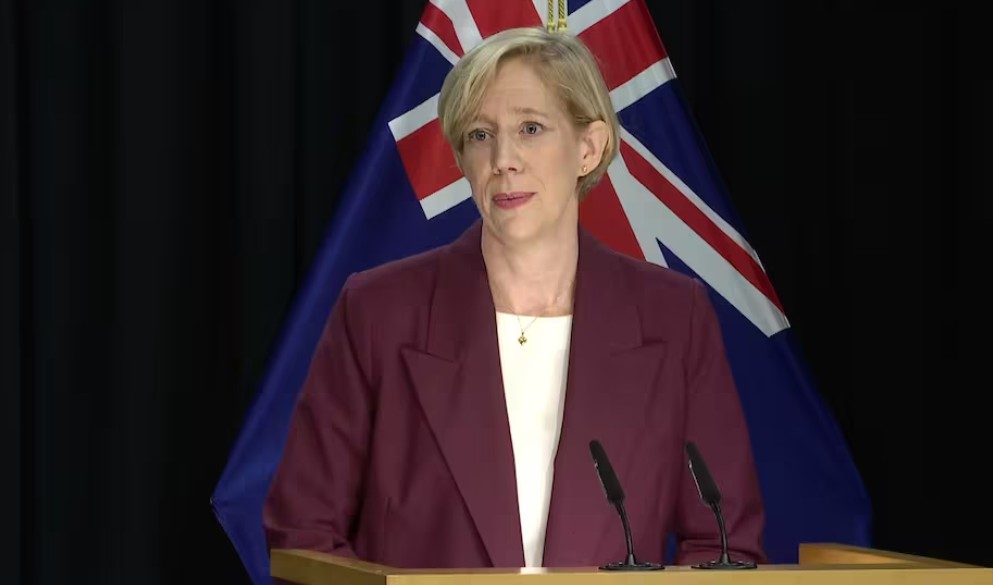
Dr Anna Breman has been appointed as the new Governor of the Reserve Bank. Breman, who served as deputy governor of Sweden’s central bank, the Riksbank, is said to be facing a “low bar” to meet given the “chaos” that marked the end of her predecessor Adrian Orr’s term.
Orr’s sudden resignation was initially described by RBNZ chair Neil Quigley as a decision made for “personal” reasons, but it was later revealed that the real cause was a dispute over the bank’s funding.
Former RBNZ economist Michael Reddell said officials “clearly had to look outside the Reserve Bank after the chaos… in the last few months” instead of choosing someone from within.
“But I think it’s unfortunate that they’ve ended up choosing to go overseas to somebody who really has no exposure to New Zealand in the past, no networks here,” he said.
“She could prove to be an excellent call. Time will tell.”
“But [she is] somebody who doesn’t have the instinctive understanding of the New Zealand economy and its challenges and also comes from a central bank that doesn’t do bank regulation – and a big part of what the Reserve Bank does these days is regulation of banks and other financial institutions. So it’s a risky call, I think.”
Meanwhile, former Reserve Bank governor Don Brash is hopeful that the new appointee will promote transparent communication but believes that monetary policy is unlikely to undergo significant changes.
Riddell said the Reserve Bank of New Zealand has a poor track record of promoting from within for the top position, noting that the last internal hire was back in 1982.
“I think this occasionally definitely needed to go beyond the bank, but it does raise more questions about New Zealand and the way in which we’ve been able to develop capability ourselves.
Anna Breman was nominated for the role by the Reserve Bank’s board after an international search that considered 300 candidates.
Breman will start her five-year term on December 1.