

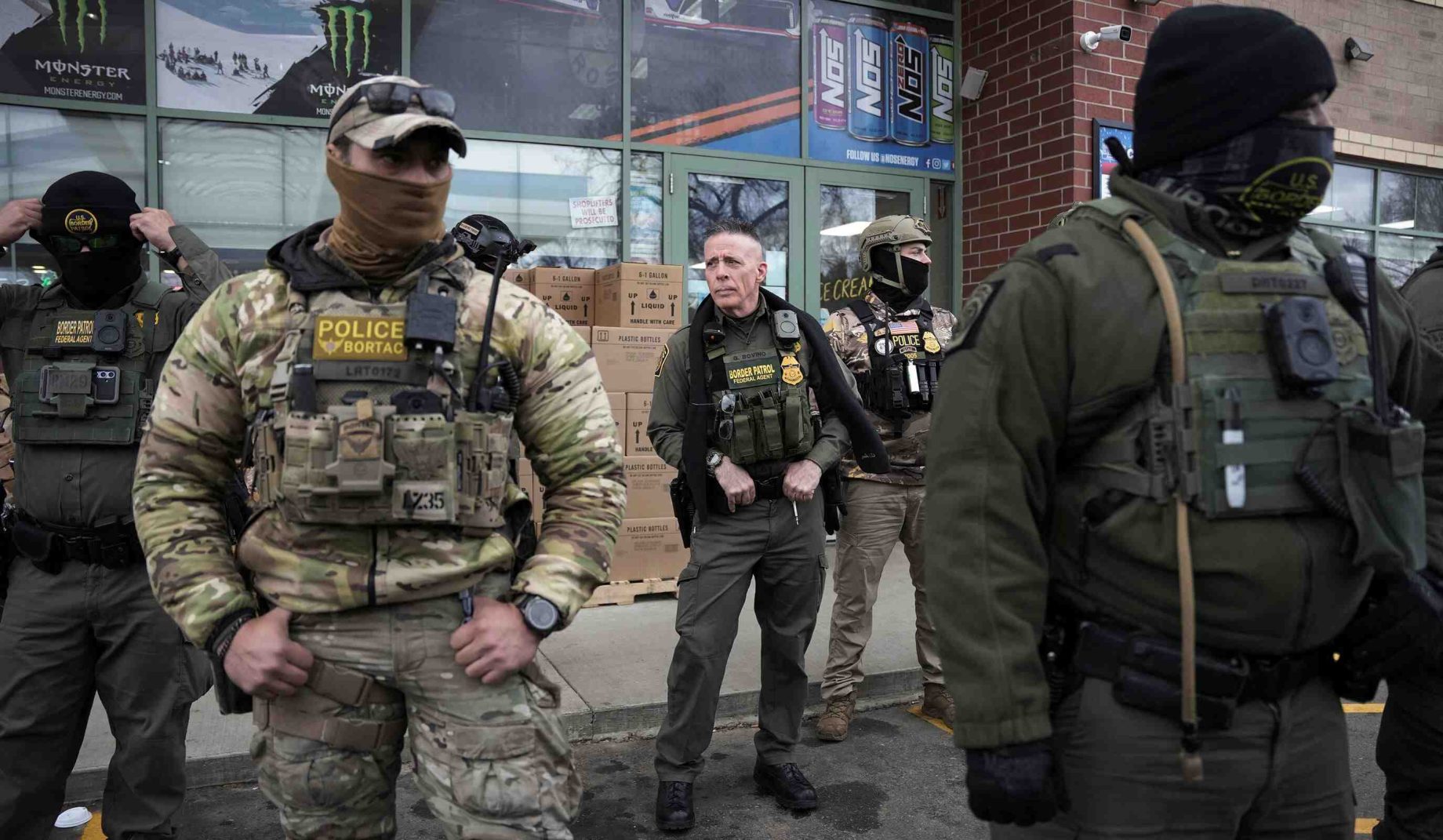
The U.S. Department of Homeland Security has directed all federal immigration officers in Minneapolis, Minnesota, to wear body cameras with immediate effect. This step responds to backlash over last month’s deaths of two U.S. citizens, Alex Pretti and Renee Good, amid a federal immigration enforcement surge in the area.
The announcement coincides with day three of a partial U.S. government shutdown. Democrats demand reforms such as body cameras in any funding deal.
The Hennepin County Medical Examiner ruled Pretti’s 24 January death a homicide.
Homicide refers to the killing of a person by another person. It does not necessarily signify that a crime has occurred.
Pretti suffered “multiple gunshot wounds” from law enforcement officers. He died in the emergency department at Hennepin County Medical Center in Minneapolis.
U.S. Customs and Border Protection said the two agents involved wore body cameras and are now on leave. The U.S. Department of Justice has launched a civil rights investigation.
“Effective immediately we are deploying body cameras to every officer in the field in Minneapolis,” DHS Secretary Kristi Noem wrote on X on Monday. Noem plans a nationwide rollout once funding arrives.

President Donald Trump backed body cameras. “Generally tend to be good for law enforcement because people can’t lie about what’s happening,” he said.
“Generally speaking, I think it’s 80% good for law enforcement,” he added.
The Trump administration replaced Minneapolis Border Patrol chief Gregory Bovino with Tom Homan after Pretti’s shooting. Homan met Governor Tim Walz and Mayor Michael Frey last week to ease tensions.
Walz and Frey call for full withdrawal of federal agents from the capital region. Homan seeks to reduce their presence, but ties changes to local cooperation. He condemned the city’s “sanctuary city policy.”
Frey told the New York Times he wants police prioritising “doing the important work of keeping Minneapolis residents safe,” though the city will assist feds selectively.
Over 3,000 Immigration and Customs Enforcement officers operate in Minnesota, funded by Congress’s £59 billion allocation last year, making it the top-resourced U.S. law enforcement agency.