

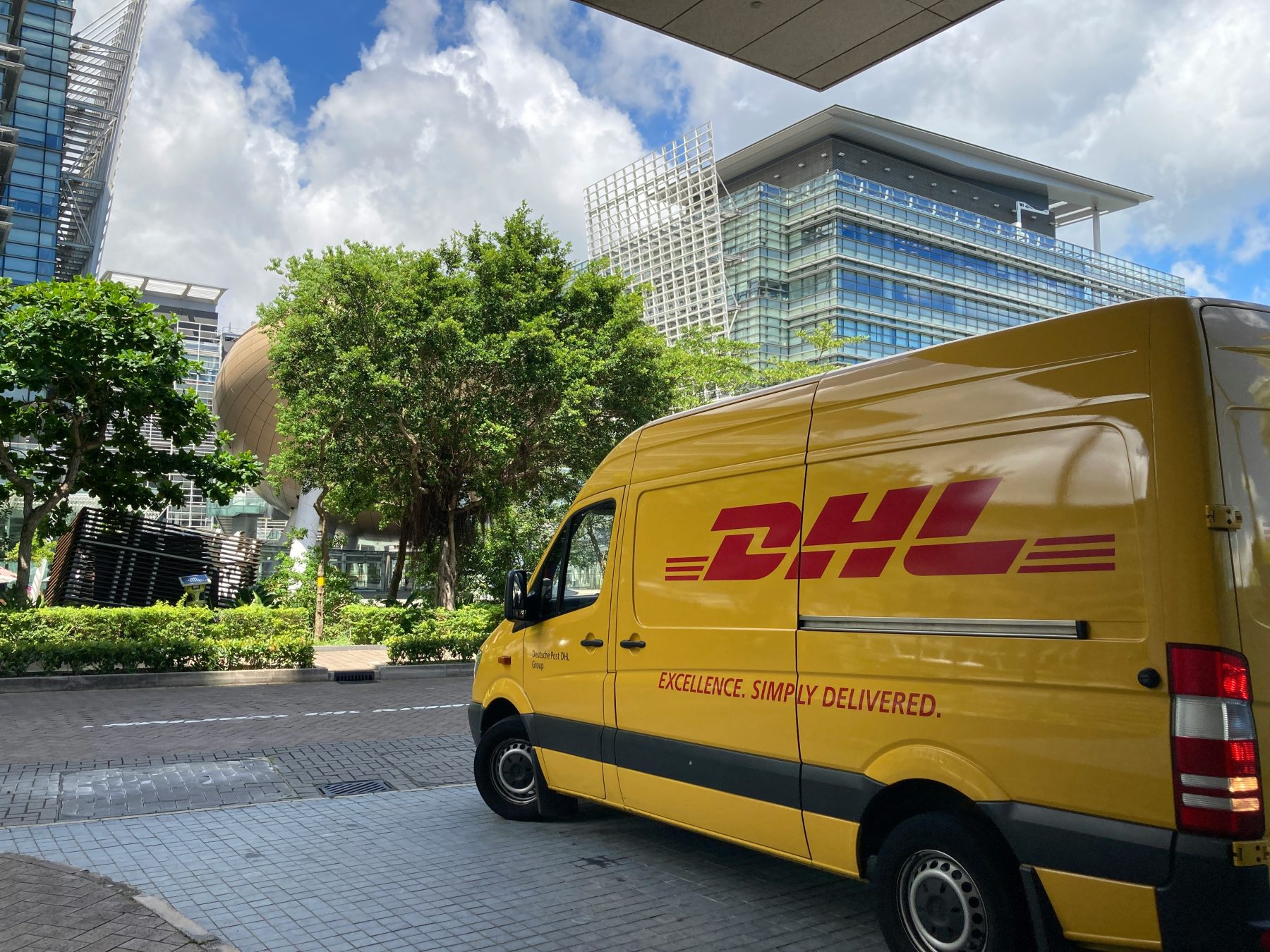
DHL Group stepped up its decarbonisation activity across Asia Pacific in 2025, rolling out sustainable fuels, electric vehicles and carbon-neutral facilities as corporate customers increasingly look to cut supply-chain emissions tied to transport.
The logistics sector remains one of the region’s largest emitters, with aviation and shipping particularly reliant on fossil fuels. DHL’s latest moves point to incremental change rather than a full overhaul, but they underline how customer demand is shaping commercial decisions.
DHL Express signed sustainable aviation fuel (SAF) supply agreements with Cosmo Energy, Cathay and Neste, covering close to 20 million litres of SAF for flights departing Narita, Incheon and Singapore. The volumes support DHL’s goal of reaching 30% SAF use by 2030, a target that remains constrained by limited supply and higher costs.
Ken Lee, CEO, Asia Pacific, DHL Express, said, “Sustainability isn’t just a slogan for us. We lead with action – whereas others follow – to reduce the greenhouse gas emissions from our operations.”
Customer uptake has been central. More than 153,000 Asia Pacific customers used DHL’s GoGreen Plus service in 2025, which applies a “book and claim” model allowing companies to pay for emissions reductions linked to SAF use, even if their shipments do not physically fly on SAF-powered aircraft.
DHL Global Forwarding partnered with CMA CGM to buy 8,800 metric tonnes of UCOME second-generation biofuel in ocean freight, targeting a reduction of about 25,000 metric tonnes of greenhouse gas emissions on a well-to-wake basis.
“Our role goes beyond moving goods,” said Niki Frank, CEO, Asia Pacific, DHL Global Forwarding. “Customers are increasingly asking for solutions that could help them decarbonise entire supply chains.”
DHL deployed hydrogen-powered trucks for long-haul operations in Japan and expanded electric vehicle fleets across Southeast and East Asia. The company now operates more than 1,800 electric vehicles in the region, supporting a target to electrify two-thirds of last-mile deliveries by 2030.+1
DHL Supply Chain also opened its first fully renewable energy warehouse globally in Thailand, powered entirely by on-site solar generation and battery storage. New service centres in Thailand and the Philippines were designed to cut energy use, though most legacy sites remain dependent on grid power.+1
Javier Bilbao, CEO, Asia Pacific, DHL Supply Chain, said, “When it comes to sustainability, we don’t wait for mandates – we act now to set new industry standards.