

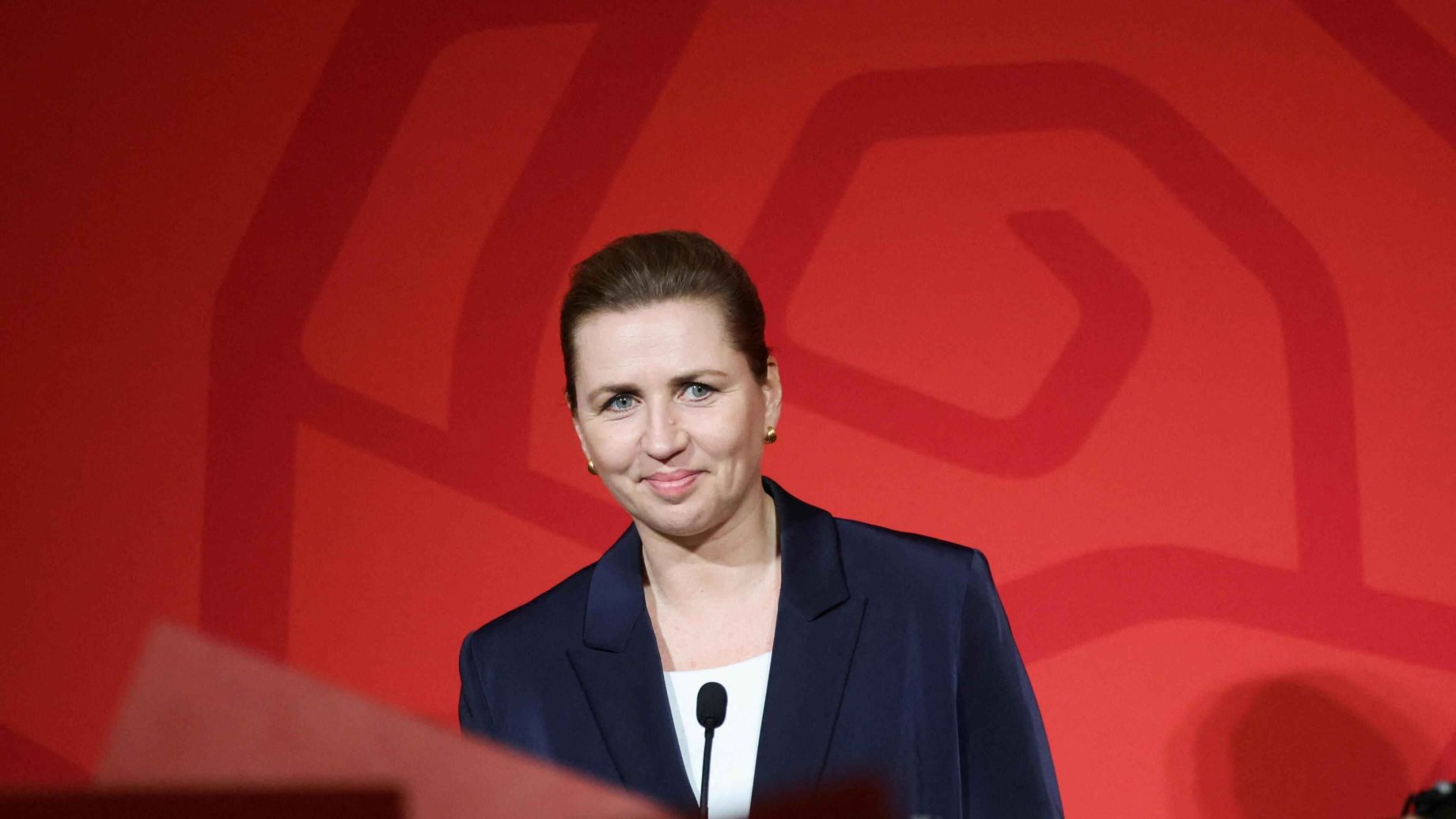
Mette Frederiksen’s Social Democrats emerged as the largest party in Denmark’s general election, capturing 21.9 percent of the vote and 38 seats in the 179-seat Folketing. Yet this marked their weakest showing in more than a century, falling short of the 90 seats required for a majority and underscoring the challenges of governing without partners.
The party, in power since 2019, drew cheers from supporters at Christiansborg Palace as Frederiksen addressed them candidly.
“I’m sorry that we did not get more votes. I had also hoped for a better result. But there is nothing today that can make me sad that the Social Democrats have once again become the Danes’ absolute favourite political party,” she said.
Having led Denmark for nearly seven years, Frederiksen reaffirmed her commitment. “I have been responsible for this wonderful country for almost 7 years. I am still ready to take on responsibility as Denmark’s prime minister.”
With 12 parties in the race, the left-leaning red bloc holds 84 seats to the right-wing blue bloc’s 77, leaving both blocs needing allies in Denmark’s tradition of coalition rule. Turnout dipped to 84.4 percent, the lowest in years.
Centrist Moderates, with 14 seats, now wield kingmaker influence under former Prime Minister Lars Løkke Rasmussen. He navigated the recent U.S. tensions over Greenland and gained viral fame for a fist-bump with Vice President JD Vance and Secretary of State Marco Rubio.
Surrounded by fans on election night, pipe in hand, Rasmussen signalled openness to a centrist alliance. “We’re standing in the middle. We’re ready.”
Liberals leader Troels Lund Poulsen, heading the blue bloc’s biggest party, ruled out partnering with Social Democrats and urged Rasmussen rightward. “It is possible to get a new direction in Denmark,” he said.
Analysts like DR’s Christine Cordsen predict a centre-left government uniting Social Democrats, Red-Greens, Moderates, and Social Liberals.
Frederiksen called the snap poll early, betting on boosts from rebuffing Donald Trump’s Greenland purchase push. Voters instead fixated on inflation at 3.2 percent, housing woes, welfare, and issues like nitrate pollution from pig farming and agriculture’s heavy emissions footprint. Her ratings have slipped despite praise for crisis handling.
The Moderates’ rise could reshape policies on migration, EU ties, and defence.